
P.V. Sindhu Wins Hylo Open 2026, Secures Second Badminton Title of the Season
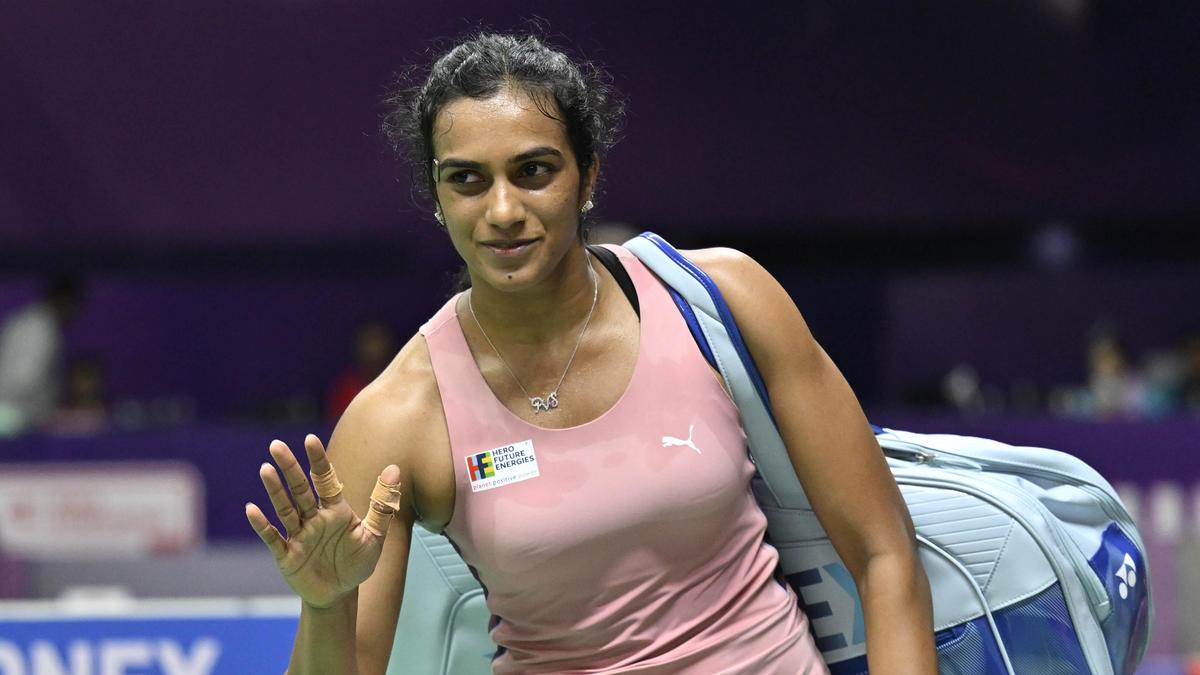
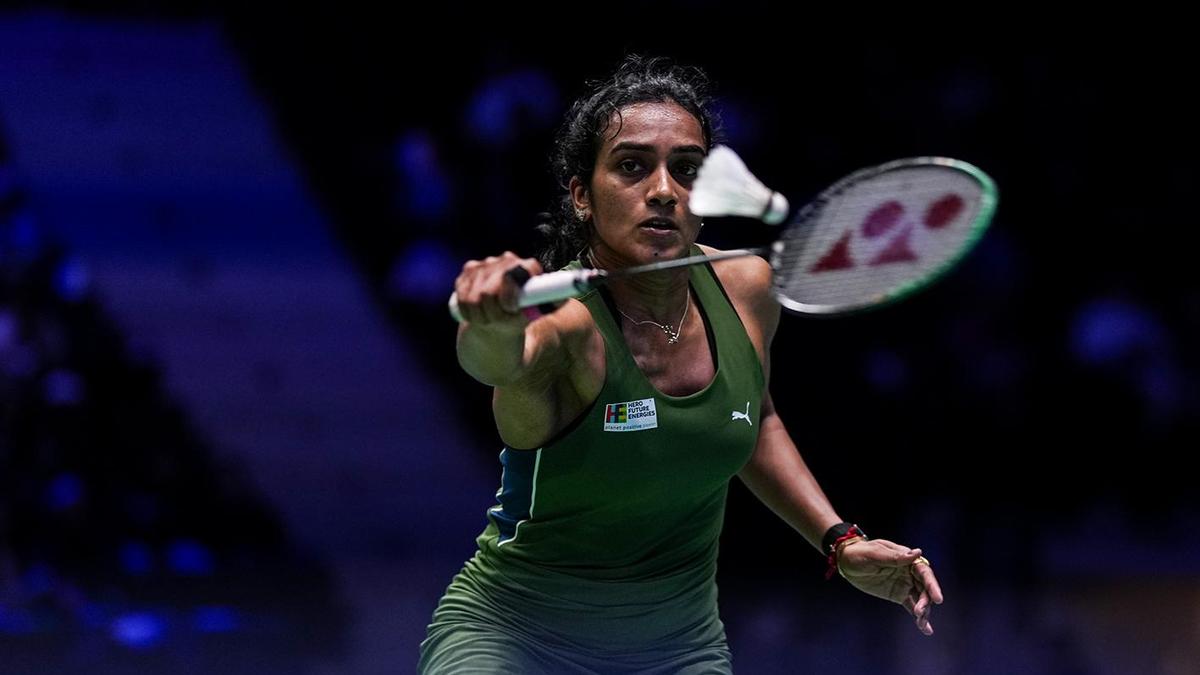
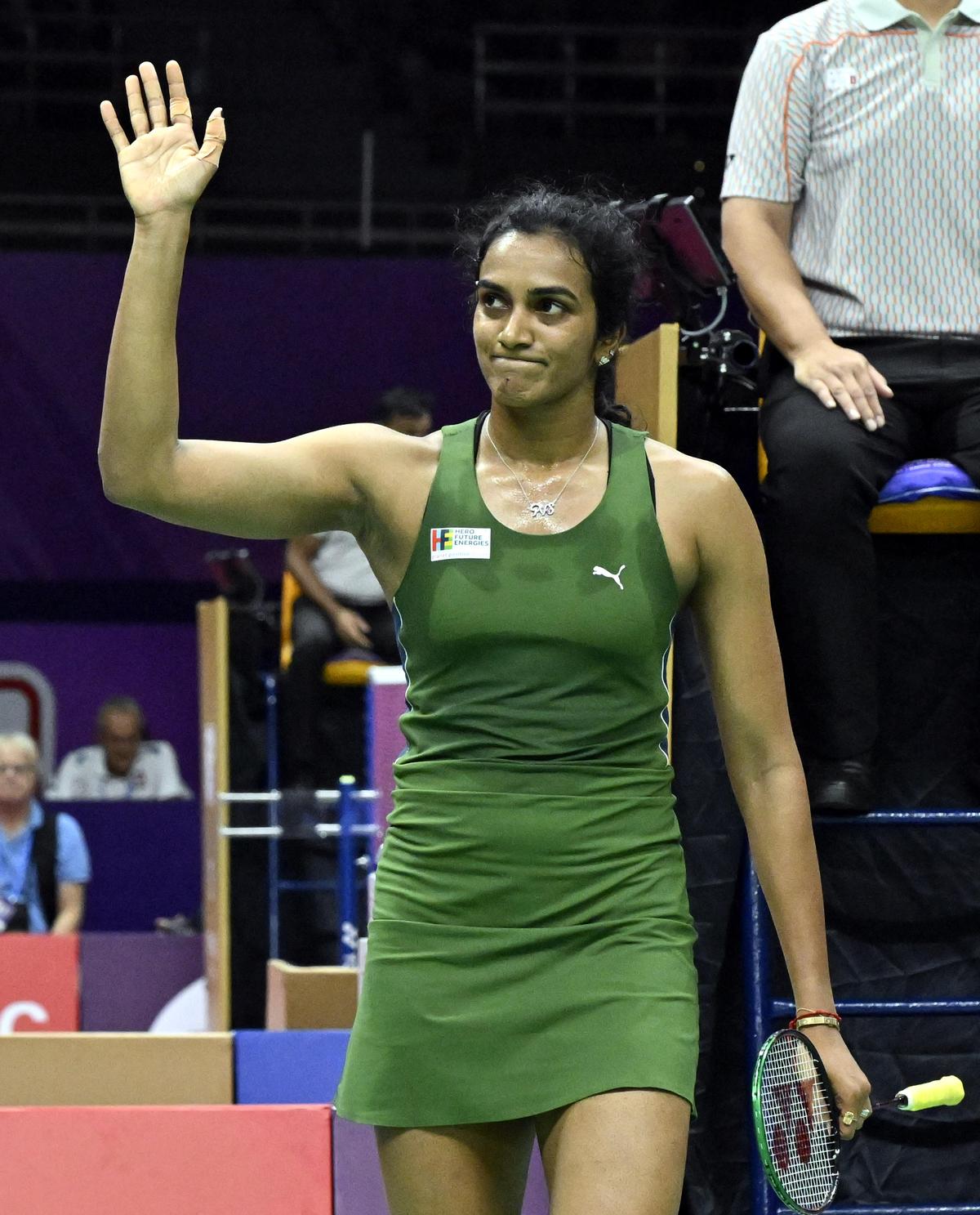
P.V. Sindhu claimed the Hylo Open 2026 women’s singles crown on Sunday, defeating Denmark’s Line Højmark Kjaersfeldt 21-12, 21-14 in the final in Saarbrücken. The Indian badminton star controlled the contest with a measured mix of deep clears, attacking smashes and precise net play, sealing the match in straight games.
The victory gives Sindhu her second title of the season, following her triumph at the Japan Open in July. It also adds another international trophy to the résumé of one of India’s most accomplished badminton players, and offers a timely boost as she continues her campaign on the global circuit.
Sindhu Turns an Early Deficit Into Control
Kjaersfeldt made the brighter start, moving ahead 5-3 and looking to dictate the pace. Sindhu, however, did not rush her response. She used her height and reach to send high, deep shots towards the Danish player’s baseline, forcing Kjaersfeldt to cover the full length of the court.
Once the rallies began to stretch, Sindhu added variation. She switched from patient clears to sharp cross-court smashes, then moved forward to challenge Kjaersfeldt at the net. The changes in pace and direction made it harder for the Dane to settle into a rhythm, and several defensive replies fell short or drifted into vulnerable positions.
Rather than relying on power alone, Sindhu built points by moving her opponent around before looking for an opening. Her deep shots pushed Kjaersfeldt back, while angled drops and attacking strokes brought her forward. That combination steadily shifted the match in Sindhu’s favour.
First Game Sets the Tone
Sindhu closed out the opening game 21-12 after establishing control of the rallies. She repeatedly targeted the back corners, making Kjaersfeldt work to reach the shuttle, and then punished weaker returns with sharply angled drops or sudden cross-court attacks.
The scoreline reflected Sindhu’s growing command, but the key difference was her ability to keep changing the shape of each rally. When Kjaersfeldt prepared for another deep shot, Sindhu could shorten the exchange with a drop. When the Dane moved forward, Sindhu had the option to send the shuttle deep again. That uncertainty limited Kjaersfeldt’s opportunities to attack.
For badminton fans, the first game was a reminder of how effective court positioning and shot selection can be alongside outright speed. Sindhu’s height helped her create steep attacking angles, but her patience and control were just as important in building her lead.
Fitness and Freshness Prove Important
The players arrived at the final after contrasting semifinal contests. Sindhu had progressed in straight games, while Kjaersfeldt had endured a demanding three-game battle against Thailand’s Pornpawee Chochuwong the previous day. That longer match may have left the Dane with less time to recover before facing Sindhu’s pace and court coverage.
Sindhu appeared alert to the possibility that Kjaersfeldt might be carrying fatigue. She tested the Dane with repeated deep clears and made her move from corner to corner, rather than allowing the final to become a series of short, comfortable exchanges. The approach required discipline: Sindhu had to maintain accuracy and avoid giving away easy points while asking her opponent to keep working.
Freshness alone does not decide a final, but it can influence how well a player responds to pressure and sustains movement through long rallies. Sindhu’s composed start and consistent placement helped her make the most of her physical advantage on the day.
Second Game: Sindhu Keeps the Pressure On
Sindhu carried her momentum into the second game, opening a 7-3 lead. Her high, looping clears continued to pin Kjaersfeldt towards the back of the court, limiting the Dane’s ability to step forward and take the shuttle early. With little space to dictate play, Kjaersfeldt found it difficult to launch a sustained comeback.
The Indian maintained a clear tactical pattern: stretch the court, wait for a shorter reply and then attack the available space. Her shot-making remained controlled, and she avoided allowing Kjaersfeldt to turn the match into a momentum-changing contest. Sindhu eventually wrapped up the second game 21-14 to complete a straight-games victory.
Winning in two games also underlined the efficiency of Sindhu’s performance. In a final, the ability to stay focused after taking the first game is crucial. She did not ease off or give her opponent a foothold; instead, she began the second game with the same intent and kept the pressure on through the finish.
What the Hylo Open Win Means for Sindhu
The Hylo Open title is another significant result in Sindhu’s season. Her Japan Open victory in July had already demonstrated her ability to compete for honours on the international badminton tour, and the Saarbrücken win adds further evidence of her consistency across tournaments.
Beyond the trophy, the final showcased several strengths that can serve her well in future matches: patient rally construction, effective use of height, accurate placement and the confidence to vary her attack. Against Kjaersfeldt, Sindhu did not depend on one shot or one phase of play. She combined defensive depth with timely aggression, making her game harder to read.
For Indian supporters, the result provides another reason to follow Sindhu’s progress as the season continues. For the wider badminton audience, it was a polished final in which tactical discipline and movement proved decisive. Sindhu’s 21-12, 21-14 win secured the Hylo Open 2026 women’s singles title—and her second championship of the season—with authority.