
Former Juventus Goalkeeper Identifies the Problems Behind the Club’s Difficult Spell
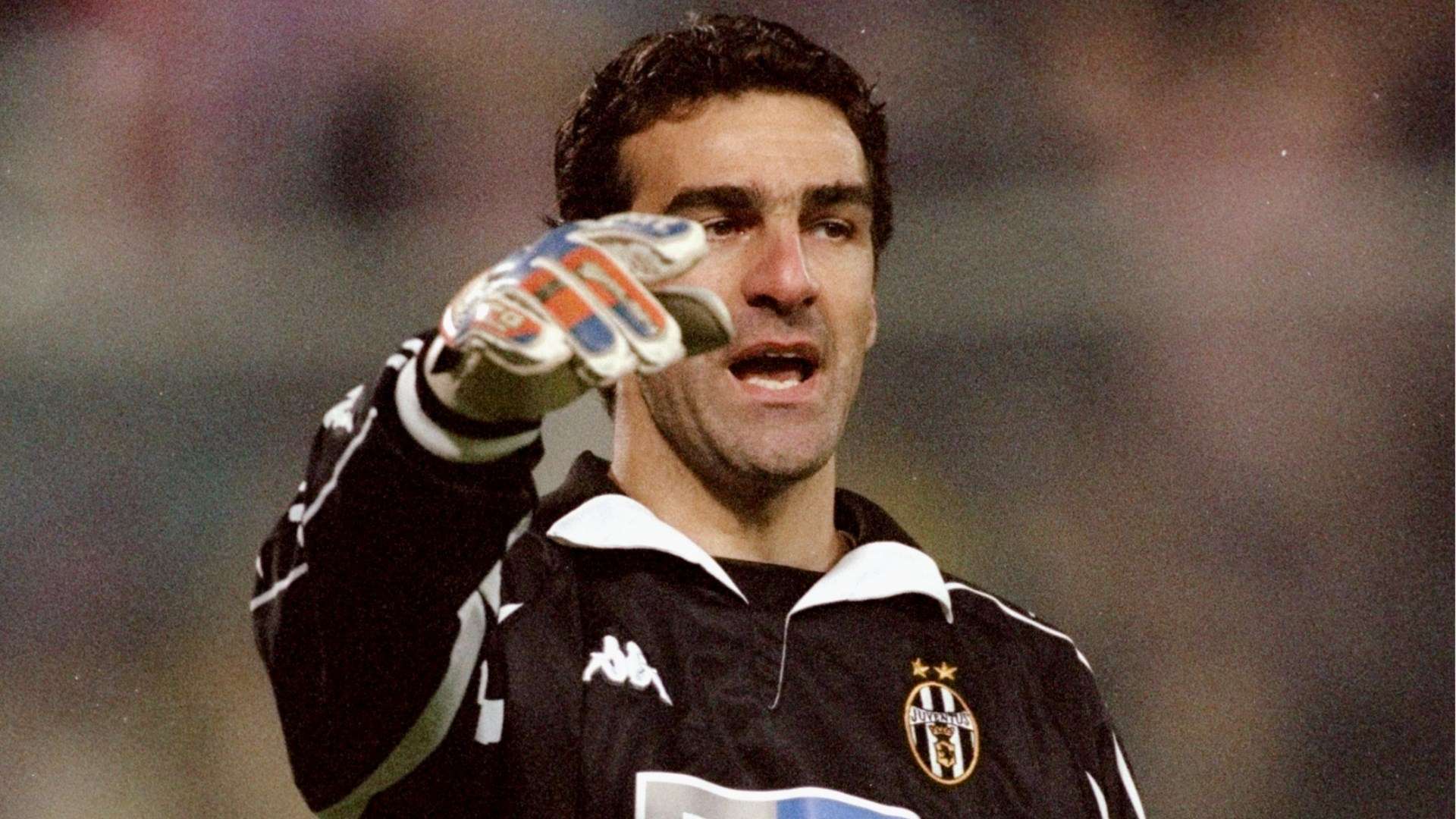
Juventus are enduring a challenging period, and former goalkeeper Michelangelo Rampulla believes the team’s struggles are rooted in two key areas: a lack of composure and insufficient protection in midfield. Speaking on Maracanà, a programme broadcast by TMW Radio, the former Bianconeri player offered his assessment of the club’s current situation, pointing to a noticeable change in the balance between midfield and defence.
Rampulla, who represented Juventus from 1992 to 2002, said the side appeared better protected earlier in the season. As injuries and other complications have affected the squad, he argued, the midfield has become less effective at shielding the back line. That shift has left Juventus more vulnerable when opponents regain possession and launch quick counter-attacks.
Why Juventus Are Becoming More Exposed
In football, defensive security is rarely the responsibility of the back four alone. Midfielders help limit the space opponents can use, close passing lanes and slow attacks before they reach the defence. When that screen is missing or arrives too late, defenders may be forced to retreat quickly, face attackers running at them and make decisions under pressure.
Rampulla’s comments suggest that Juventus have lost some of this protection. A midfield that once helped control the space in front of the defence is now, in his view, less able to prevent opponents from breaking forward. The result can be a team stretched across the pitch: players push forward, possession is lost, and the opposition has room to attack before Juventus can reorganise.
Counter-attacks are particularly dangerous in those moments because they exploit gaps left behind by advancing players. Even a well-organised defence can struggle if opponents are allowed to carry the ball into open space at speed. For Juventus, the issue is therefore not simply whether defenders perform well individually. It is also whether the whole team can maintain its shape when possession changes hands.
Composure Could Help Juventus Regain Control
Rampulla also highlighted a lack of calmness, an observation that points to the mental side of the club’s difficulties. When a team is under pressure, rushed passes and hurried decisions can make it harder to keep possession, manage the tempo or move forward with a clear plan. Those mistakes can quickly increase the burden on a defence already dealing with limited protection.
Composure does not mean playing cautiously at all times. It means recognising when to slow the game down, when to keep the ball and when to take a risk. A more measured approach could help Juventus avoid giving opponents easy opportunities to attack in transition. It may also allow the midfield to stay connected to the defence rather than being pulled out of position by an urgent attempt to force a forward move.
For supporters looking at the club’s recent performances, this connection between calmness and defensive balance is important. A team can appear to have separate problems—conceding chances, losing control of matches or struggling to protect a lead—but those issues may share the same cause. If Juventus cannot manage possession and transitions effectively, pressure can build on the defence throughout a game.
Injuries and Squad Depth Add to the Challenge
The former goalkeeper also referred to injuries and other factors affecting the team. Absences can disrupt the balance of a side even when replacement players are capable. Midfield roles often depend on specific combinations: one player may be responsible for covering space, another for moving the ball forward, and a third for pressing opponents. Changes to that structure can alter how well the team protects itself.
Injuries may also reduce the manager’s flexibility. When options are limited, it can become harder to rotate players, adjust the system or respond to different opponents. A demanding schedule can intensify the problem, particularly if key players are required to play frequently or return before the side has fully restored its preferred balance.
That context does not remove the need for improvement, but it helps explain why Juventus may be finding consistency difficult. Rebuilding a stable midfield-and-defence connection can take time, especially when personnel change from match to match. The challenge is to find a reliable structure that gives the back line adequate support while still allowing the team to create opportunities going forward.
What Juventus Need to Improve Next
Rampulla’s assessment offers a useful framework for judging Juventus’ next performances. The first question is whether the midfield can reduce the space available to opponents after possession is lost. Better positioning, quicker recovery runs and more coordinated pressing could help interrupt counter-attacks earlier, before the defence is forced into emergency situations.
The second is whether Juventus can show greater patience in possession. Keeping the ball for longer does not guarantee control, but purposeful circulation can help the team reset its shape and prevent opponents from repeatedly attacking an unsettled back line. Clearer decision-making may also reduce avoidable turnovers in dangerous areas.
Coaches and players will also need to assess how best to manage the squad amid injuries. That could involve adjusting responsibilities, using a more compact formation or asking certain players to prioritise defensive cover when teammates move forward. The most effective solution will depend on who is available, but the underlying aim is straightforward: keep the team connected and limit the open spaces that opponents can exploit.
A Key Period for Juventus’ Season
Rampulla’s remarks are not a definitive prediction of how Juventus’ season will unfold, but they identify areas that could shape the team’s results. If the Bianconeri restore composure and strengthen the midfield shield, they may be better equipped to control matches and defend against quick transitions. If those problems persist, opponents are likely to continue targeting the space between midfield and defence.
For a club with Juventus’ expectations, improvement will be measured not only by results but by the stability of performances. The coming fixtures will provide a clearer indication of whether the team can recover its earlier defensive balance or whether injuries and inconsistency remain significant obstacles. Rampulla’s experience gives weight to his warning: when midfield protection fades, even a strong defence can be left exposed.
Ultimately, Juventus’ response will depend on restoring cohesion across the pitch. Greater calmness on the ball, more effective cover in midfield and a collective commitment to defending transitions could help the Old Lady move beyond this difficult spell. Those adjustments may prove decisive as the club looks to regain confidence and meet the demands of its season.