
Manchester United Co-Owner Receives Reminder from FA After Anti-Immigration Rant
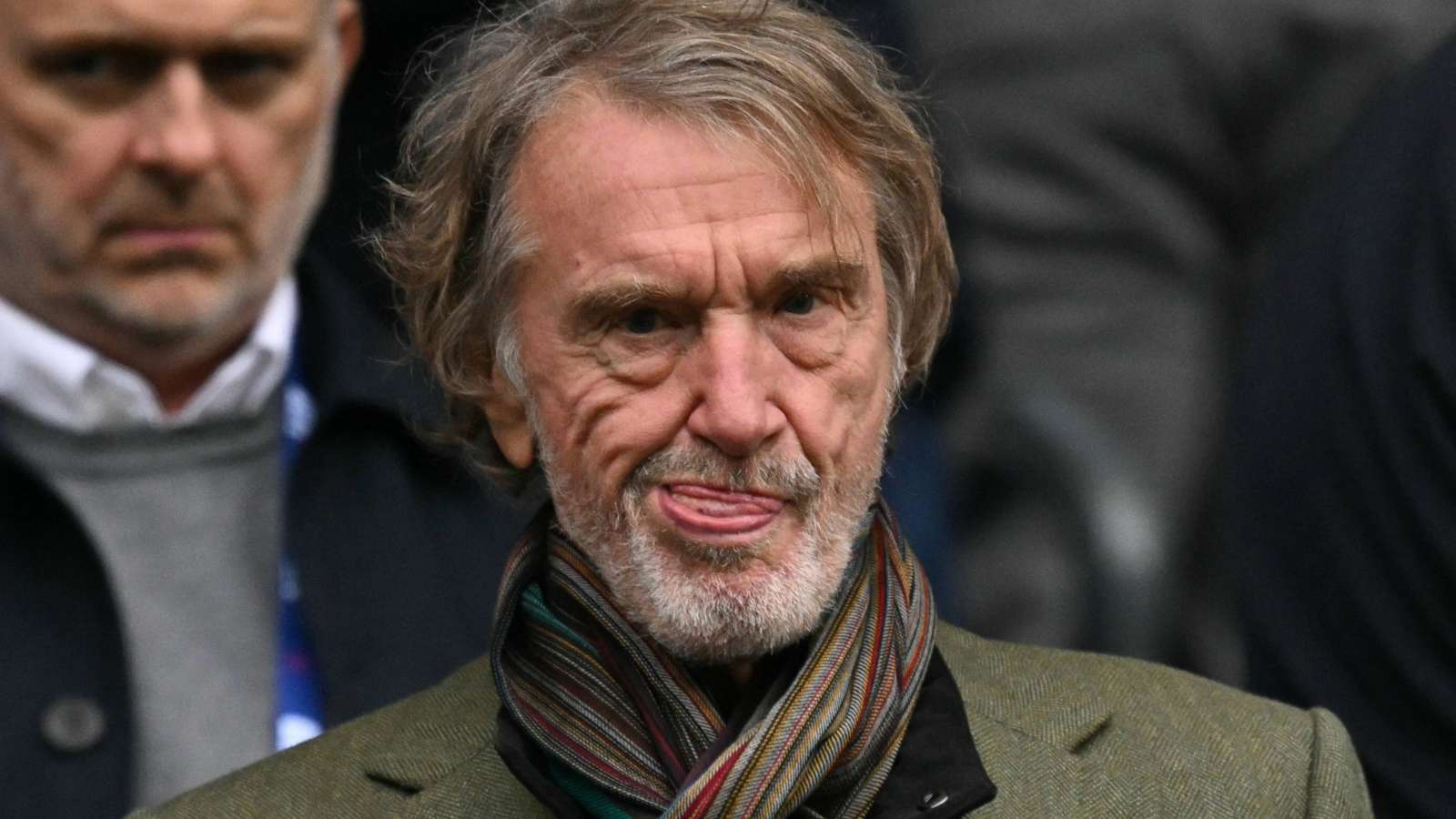
Manchester United co-owner Sir Jim Ratcliffe recently found himself in hot water after making controversial remarks regarding immigration. The Football Association (FA) has since stepped in to address the situation and remind Ratcliffe of his responsibilities as a leading figure in the football community.
Despite the FA’s intervention, no formal sanction has been imposed on either Ratcliffe or Manchester United at this time. However, the incident has sparked discussions about the role of club owners in promoting inclusivity and diversity within the sport.
FA Addresses Controversial Comments
The FA reportedly had a conversation with Sir Jim Ratcliffe following his anti-immigration rant, during which they emphasized the importance of upholding values of tolerance and respect in football. While the governing body stopped short of taking disciplinary action, the incident serves as a reminder of the influence and impact that high-profile individuals can have on the public discourse.
As a co-owner of Manchester United, Ratcliffe’s words carry weight and can shape perceptions both within and outside the football community. The FA’s response signals a commitment to upholding the principles of equality and inclusion that are central to the sport’s ethos.
Implications for Manchester United
While Manchester United itself has not faced any formal repercussions as a result of Ratcliffe’s comments, the incident raises questions about the club’s stance on social issues. As one of the most iconic and globally recognized football clubs, United holds a unique position of influence in shaping public opinion.
Fans and stakeholders alike will be watching closely to see how the club addresses the situation and whether they take any proactive steps to promote diversity and inclusivity moving forward. In an era where social responsibility is increasingly important for organizations of all sizes, Manchester United’s response to this controversy will be closely scrutinized.
Looking Ahead
As the dust settles on this incident, the football world will be reflecting on the broader implications for the sport. The intersection of politics, social issues, and football has become increasingly complex in recent years, with clubs and individuals facing scrutiny over their public statements and actions.
The FA’s intervention in the case of Sir Jim Ratcliffe serves as a reminder that no one is above the values that underpin the beautiful game. Moving forward, all stakeholders in football will need to consider the impact of their words and behaviors on the wider community, ensuring that the sport remains a force for positive change and unity.
In conclusion, the incident involving Manchester United co-owner Sir Jim Ratcliffe has sparked important conversations about the role of club owners in promoting inclusivity and diversity within football. While no formal sanctions have been imposed, the FA’s reminder to Ratcliffe underscores the need for all individuals in the sport to uphold values of tolerance and respect. As the football world continues to evolve, the incident serves as a cautionary tale about the power of words and the importance of promoting unity and inclusivity in all aspects of the game.
Impact of Club Owners on Football Culture
The incident involving Manchester United co-owner Sir Jim Ratcliffe highlights the significant influence that club owners can have on the culture of football. Owners like Ratcliffe, who hold prominent positions within major clubs, have a platform to shape narratives and values within the sport. As such, their actions and statements carry weight and can impact the broader football community.
Club owners play a critical role in setting the tone for their respective organizations and can influence the direction in which a club moves. In the case of Manchester United, a club with a massive global following, the actions and attitudes of its owners can reverberate throughout the entire fan base and beyond. This underscores the importance of owners taking a responsible and inclusive approach to their public statements and behaviors.
The Responsibility of Clubs in Promoting Diversity
Manchester United’s response to the controversy surrounding Sir Jim Ratcliffe’s remarks will be closely watched by fans, sponsors, and the wider football community. In an era where social issues are at the forefront of public discourse, clubs are increasingly being held accountable for their stance on matters of diversity and inclusion.
By taking a proactive approach to addressing issues of intolerance and promoting diversity, clubs like Manchester United have the opportunity to demonstrate leadership and set an example for others in the football world. Embracing principles of equality and respect not only aligns with the values of the sport but also contributes to a more inclusive and welcoming environment for fans and players alike.
The Evolving Landscape of Football and Social Responsibility
The incident involving Sir Jim Ratcliffe serves as a microcosm of the larger trend of football becoming intertwined with social and political issues. In an increasingly interconnected world, clubs and individuals in the sport are facing heightened scrutiny over their actions and statements, both on and off the pitch.
As football continues to evolve, stakeholders must navigate the complexities of balancing commercial interests with ethical responsibilities. The FA’s intervention in the case of Ratcliffe underscores the importance of upholding fundamental values of tolerance and respect in football, highlighting the need for all individuals involved in the sport to be mindful of the impact of their words and actions.
Conclusion
In conclusion, the incident involving Manchester United co-owner Sir Jim Ratcliffe serves as a reminder of the significant role that club owners play in shaping the culture of football. As the sport grapples with issues of diversity, inclusivity, and social responsibility, owners and clubs alike are being called upon to demonstrate leadership and promote positive change within the football community.
Moving forward, the incident involving Ratcliffe can serve as a catalyst for meaningful conversations and actions aimed at creating a more inclusive and equitable environment within football. By upholding values of tolerance and respect, clubs can not only strengthen their own reputation but also contribute to a more united and progressive football culture for all stakeholders involved.