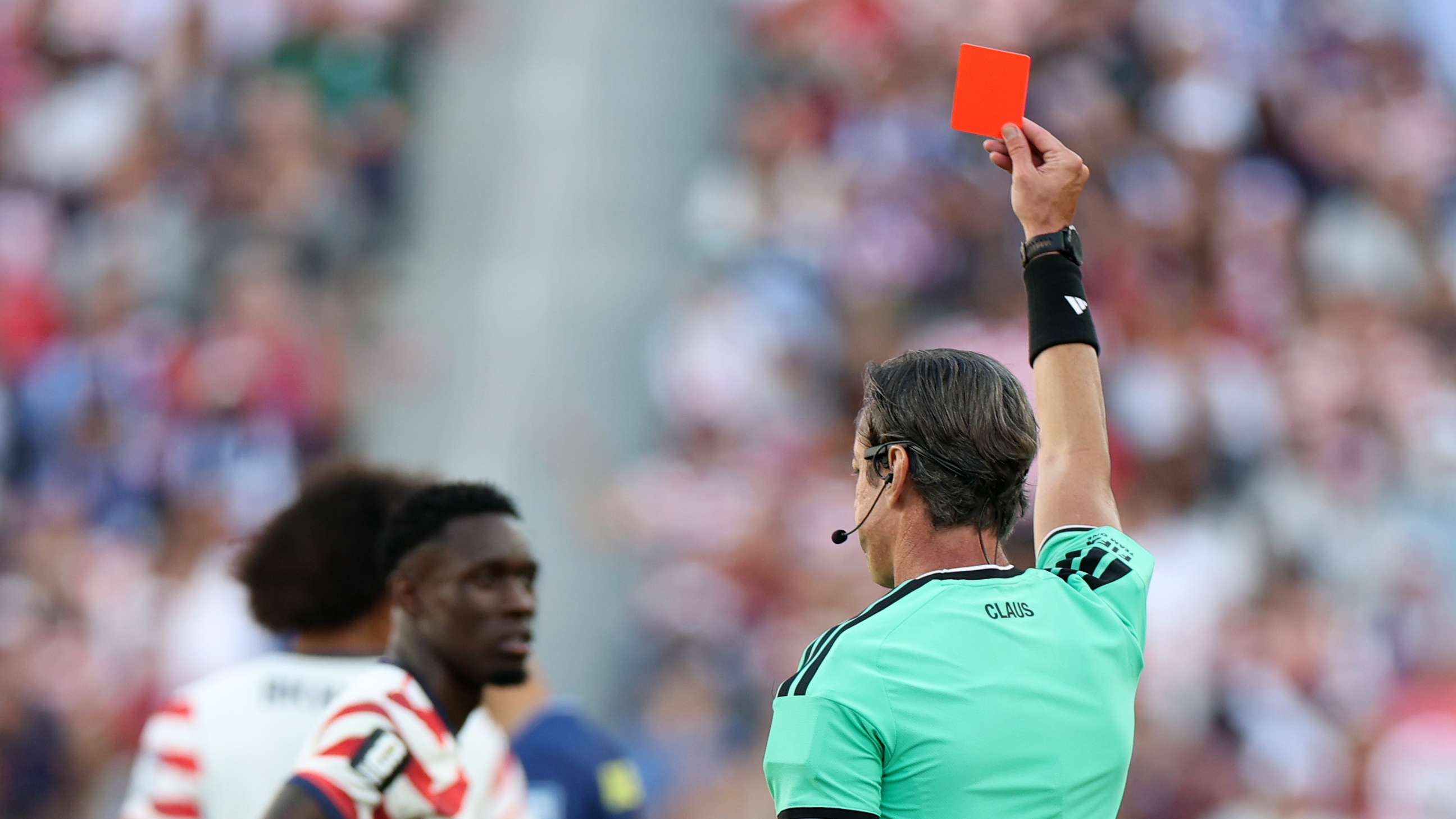

Referee Letexier Speaks Out on Vinicius Junior Racism Incident
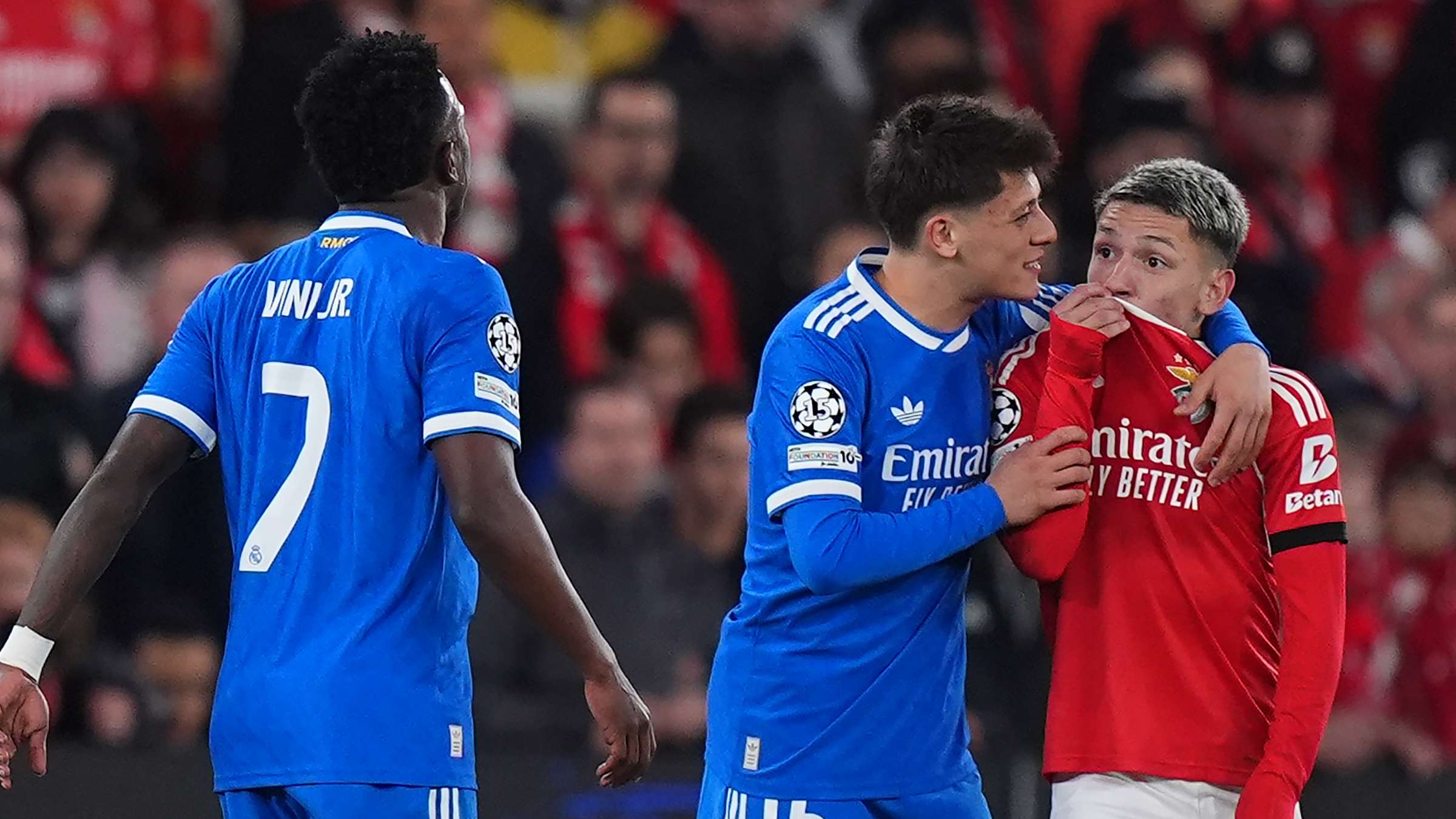
One of the most controversial moments in the Champions League this year involved Real Madrid’s Vinicius Junior and Benfica’s Gianluca Prestianni. The incident, which saw Vinicius Junior report racist abuse from Prestianni during a knockout stage clash, prompted referee Francois Letexier to halt the match. Now, Letexier has broken his silence on the matter, shedding light on the events that transpired that evening.
The Incident
During the Champions League match between Real Madrid and Benfica, tensions were running high as both teams fought for a spot in the next round. However, the game took a dark turn when Vinicius Junior approached Letexier to report racial abuse from Prestianni. The French official immediately stopped the game to address the issue, showcasing the zero-tolerance policy for racism in football.
Letexier’s decision to halt the match not only sent shockwaves through the football world but also sparked important conversations around racism in the sport. The incident highlighted the ongoing need to address discrimination and promote inclusivity on and off the field.
Referee Letexier Breaks His Silence
After months of silence, Letexier has finally spoken out about the incident, providing insight into his decision-making process and the events that unfolded on that fateful night. In an exclusive interview, the referee shared his thoughts on racism in football and the challenges referees face when dealing with such sensitive issues.
Letexier emphasized the importance of taking a stand against racism in football and expressed his support for players like Vinicius Junior who speak out against discrimination. The referee’s actions set a powerful example for the football community, demonstrating that racism has no place in the beautiful game.
Impact and Reflection
The incident between Vinicius Junior and Prestianni serves as a stark reminder of the work that still needs to be done to combat racism in football. While progress has been made in recent years, cases like this highlight the persistent challenges that players and officials face on the pitch.
As the football world continues to grapple with issues of discrimination and inequality, Letexier’s handling of the situation sets a precedent for how such incidents should be addressed in the future. By taking a firm stance against racism, the referee sends a clear message that there is no room for hatred or bigotry in the sport.
Looking Ahead
As the football community reflects on the Vinicius Junior racism incident, there is an opportunity for growth and change. By raising awareness and promoting education around issues of discrimination, the sport can move towards a more inclusive and respectful future.
Letexier’s decision to speak out on the matter serves as a powerful reminder of the role that officials play in shaping the culture of football. By standing up against racism and injustice, referees like Letexier contribute to a safer and more welcoming environment for all players and fans.
As the Champions League continues and the world of football evolves, it is crucial that incidents like this are not forgotten but rather used as catalysts for positive change. Only by confronting discrimination head-on can the sport truly live up to its potential as a unifying and inspirational force.
Addressing Systemic Racism in Football
The incident involving Vinicius Junior and Gianluca Prestianni sheds light on the broader issue of systemic racism in football. While individual acts of discrimination are abhorrent, they are symptomatic of deeper-rooted problems within the sport. It is essential for football organizations, clubs, players, and fans to work together to address these systemic issues and create a more inclusive environment for everyone involved.
One way to combat racism in football is through education and awareness campaigns. By educating players, coaches, and fans about the impact of discrimination and promoting cultural sensitivity, the sport can foster a more welcoming and respectful atmosphere. Additionally, implementing harsh penalties for acts of racism can serve as a deterrent and signal a zero-tolerance approach towards discriminatory behavior.
Supporting Victims of Racism
It is crucial for football authorities to support and protect victims of racism, like Vinicius Junior, who bravely spoke out against discrimination. By offering counseling, legal support, and a platform to share their experiences, players who have faced racism can feel empowered and supported. This support system can help victims navigate the emotional and psychological impact of discrimination while also holding perpetrators accountable for their actions.
Furthermore, creating safe spaces for players to report incidents of racism without fear of retaliation is essential in fostering a culture of transparency and accountability within the sport. By encouraging open dialogue and providing avenues for reporting discrimination, football organizations can create a more welcoming environment for all individuals, regardless of their background.
Collaboration and Solidarity
In the fight against racism in football, collaboration and solidarity among all stakeholders are paramount. Players, coaches, referees, fans, and governing bodies must come together to address discriminatory behavior and promote diversity and inclusion in the sport. By standing united against racism, the football community can send a powerful message that discrimination will not be tolerated in any form.
Through collective action and a shared commitment to eradicating racism, football can become a beacon of unity and equality, inspiring positive change both on and off the pitch. By working together towards a common goal of inclusivity and respect, the sport can fulfill its potential as a force for good in society.
Conclusion
The incident involving Vinicius Junior and Gianluca Prestianni serves as a sobering reminder of the persistent challenges of racism in football. While progress has been made, there is still much work to be done to create a more inclusive and welcoming environment for all individuals involved in the sport. By learning from past incidents, supporting victims, promoting education, and fostering collaboration, the football community can move towards a future where discrimination has no place and where diversity and respect are celebrated.
Letexier’s handling of the situation and his willingness to speak out against racism set a positive example for everyone in football. By continuing to address and confront issues of discrimination, the sport can evolve into a more equitable and harmonious space, reflecting the values of unity, diversity, and solidarity.