
Roma’s Season in Jeopardy Due to Multi-Ownership Issue
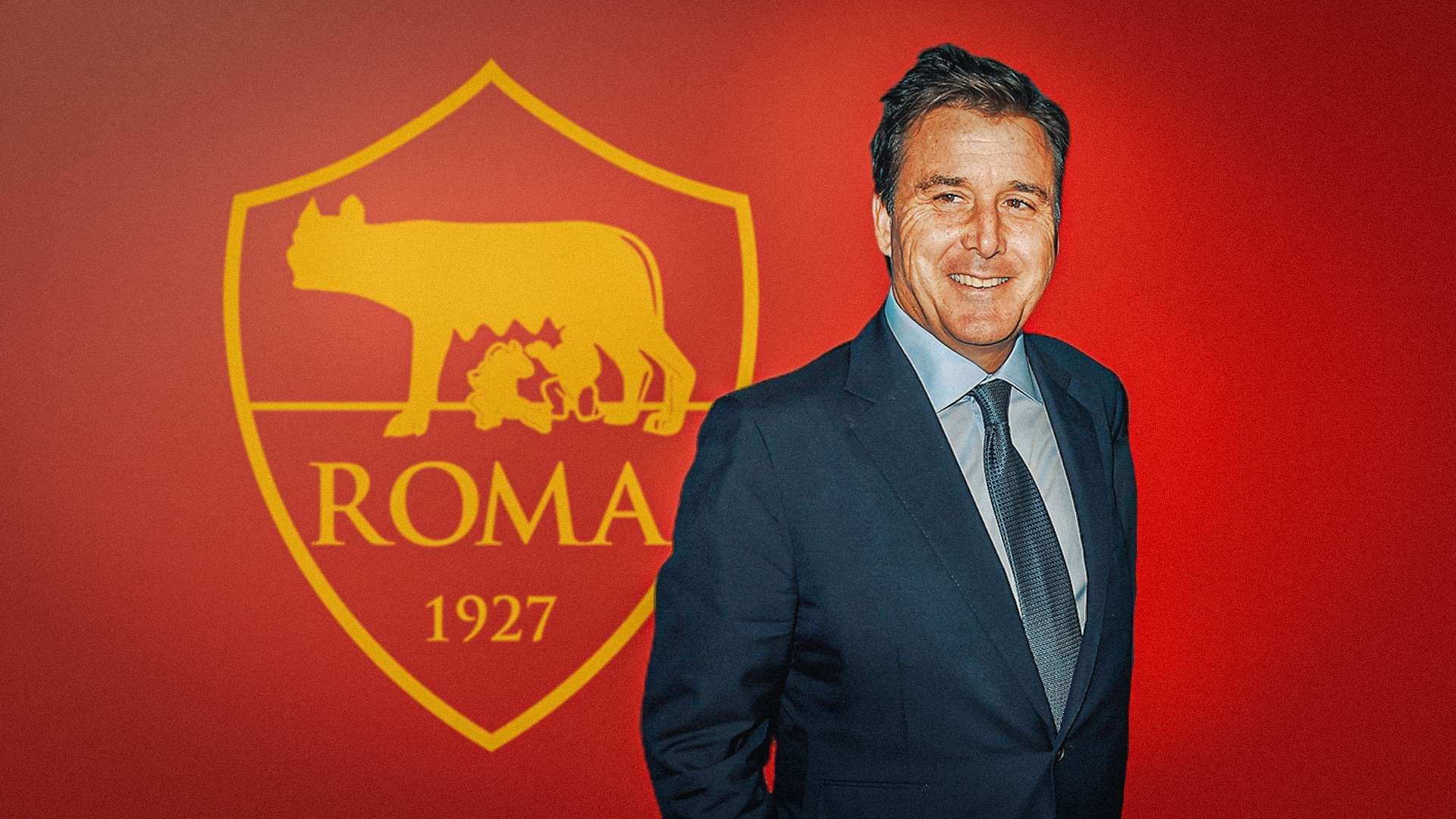
As Roma continues to battle in the league for a spot in next season’s Champions League, a shadow looms over their season due to the controversial “multi-ownership” issue. The team is also on track for qualification for a European competition, but recent debates have sparked concerns over their potential exclusion from the UEFA Cup.
What is the Multi-Ownership Issue?
The well-known rule on multiple ownership has caused a stir in the football world, particularly concerning Roma and their owners, the Friedkin family. The Friedkins also own English club Everton, which is currently competing for similar objectives as Roma. According to regulations, two clubs owned by the same entity cannot participate in the same tournament, raising the question of potential exclusion for one of the teams.
The Dilemma of Qualification
If both Roma and Everton were to qualify for the UEFA Cup, a decision would need to be made on which team would be excluded from the competition. This dilemma has left fans and officials alike speculating on the potential outcomes and the impact it could have on both clubs.
Friedkin Family Under Scrutiny
The Friedkin family’s ownership of both Roma and Everton has come under scrutiny, with questions raised about the potential conflict of interest and the fairness of the situation. Fans of both clubs have expressed concerns over the transparency of the ownership structure and the potential consequences for their respective teams.
UEFA’s Decision
As the season progresses and the race for European qualification heats up, all eyes are on UEFA to make a decision regarding the participation of both Roma and Everton in the UEFA Cup. The football governing body will need to carefully consider the implications of allowing two clubs owned by the same entity to compete in the same tournament and the potential impact it could have on the integrity of the competition.
Fans’ Reactions
Roma and Everton fans have been vocal about their concerns regarding the multi-ownership issue, with many expressing frustration over the uncertainty surrounding their clubs’ participation in the UEFA Cup. The possibility of one team being excluded has sparked debates and discussions among supporters, adding an extra layer of tension to an already intense season.
In conclusion, the multi-ownership issue facing Roma and Everton has created a cloud of uncertainty over both clubs’ European aspirations. As the season unfolds and the race for qualification intensifies, all eyes will be on UEFA to provide clarity on the situation and ensure a fair and transparent outcome for all parties involved.
The Impact on Player Morale
One aspect that often gets overlooked in the multi-ownership dilemma is the impact it can have on the players of both Roma and Everton. Uncertainty regarding their club’s participation in a prestigious tournament like the UEFA Cup can create anxiety and unease among the squad. Players may find it challenging to focus on their performances on the pitch when there are lingering doubts about their future in European competitions.
Additionally, the potential exclusion of one team could lead to disillusionment among players who have worked hard throughout the season to secure a spot in the UEFA Cup. The fear of missing out on such a significant opportunity due to factors beyond their control can affect their morale and motivation, ultimately impacting their on-field performance.
The Financial Ramifications
Apart from the sporting implications, the multi-ownership issue could also have significant financial repercussions for both Roma and Everton. Participation in European competitions not only brings prestige but also financial rewards through television rights, ticket sales, and sponsorship deals. Missing out on such opportunities could result in a loss of revenue for the clubs, affecting their ability to invest in player transfers and infrastructure development.
Furthermore, sponsors and investors may hesitate to engage with clubs embroiled in ownership controversies, leading to potential economic instability. A lack of clarity from UEFA on the matter could further exacerbate the financial uncertainty surrounding Roma and Everton, impacting their long-term sustainability and competitiveness in the football landscape.
The Legal and Ethical Considerations
As the multi-ownership issue continues to raise eyebrows in the football community, questions about the legality and ethics of such ownership structures come to the forefront. While owning multiple clubs is not explicitly prohibited by football regulations, the potential conflicts of interest and unfair advantages it may create have sparked debates among experts and fans alike.
Some argue that allowing one entity to control multiple clubs goes against the principles of fair competition and sportsmanship, while others believe that as long as there are clear guidelines and mechanisms in place to prevent collusion and favoritism, multi-ownership can coexist without compromising the integrity of the sport.
The Need for Clarity and Transparency
Ultimately, what both Roma and Everton fans, as well as the football community at large, are seeking is clarity and transparency from UEFA and the clubs involved. Clear communication on how the multi-ownership issue will be addressed and what criteria will be used to determine the participation of both teams in the UEFA Cup is essential to alleviate concerns and maintain the credibility of the competition.
Furthermore, establishing guidelines and regulations around multi-ownership in football could help prevent similar controversies in the future and ensure a level playing field for all clubs. By addressing the issue proactively and transparently, UEFA can uphold the values of fairness and integrity that are at the core of the beautiful game.
In conclusion, the multi-ownership issue facing Roma and Everton goes beyond a simple administrative dilemma; it touches on the fundamental principles of fairness, transparency, and competition in football. As stakeholders await UEFA’s decision, the impact of this controversy on player morale, financial stability, and the ethical considerations surrounding ownership structures cannot be understated. Only with clear guidance and a commitment to upholding the integrity of the sport can a resolution be reached that satisfies all parties involved.