
Bayern Munich Legend Criticizes Football’s Financial State
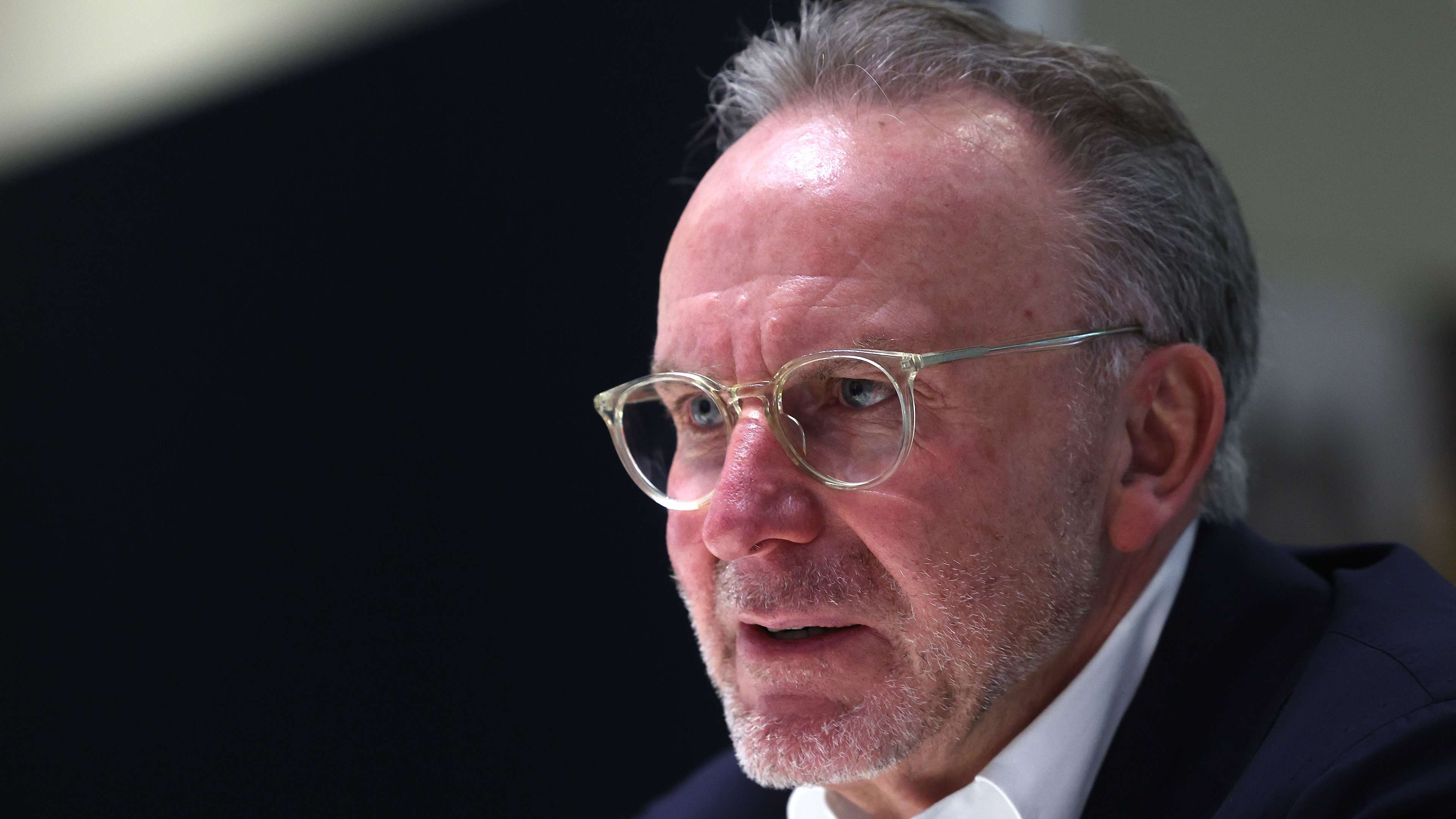
Former Bayern Munich CEO Karl-Heinz Rummenigge has taken a bold stance against the current state of football, particularly the exorbitant payments made to player representatives. In a scathing attack on the industry, Rummenigge labeled these payments as “immoral” and called for urgent global reforms to address the issue.
Concerns About the Rising Power of Intermediaries
Rummenigge’s comments come amidst a growing chorus of criticism from footballing heavyweights, including Matthias Sammer and Uli Hoeness. The trio has expressed alarm at the escalating influence of intermediaries in the sport, highlighting the negative impact it is having on the game.
According to Rummenigge, the financial demands of agents are spiraling out of control, leading to skyrocketing player salaries that are increasingly difficult for fans to justify or even comprehend. This trend, he warns, is pushing football into dangerous territory, where the sport risks losing touch with its roots and becoming unrecognizable to its core supporters.
Call for Immediate Action
Rummenigge’s bold statements have reignited the debate on the role of intermediaries in football and the need for regulatory intervention to curb their influence. The former Bayern Munich star has called on governing bodies and stakeholders to come together and implement measures that promote transparency and accountability in player representation.
While agents play a crucial role in facilitating player transfers and negotiations, Rummenigge believes that their growing influence is threatening the integrity of the sport and creating an unsustainable financial model. He argues that urgent action is required to restore balance and ensure that the interests of players, clubs, and fans are all equally respected.
Rummenigge’s Legacy and Influence
As a respected figure in the world of football, Rummenigge’s words carry weight and are likely to resonate with fans, players, and officials alike. His tenure at Bayern Munich saw the club enjoy unprecedented success both on and off the field, and his insights into the challenges facing the sport are informed by years of experience at the highest levels.
By speaking out against the current state of football and advocating for reform, Rummenigge has once again proven himself to be a voice of reason in a sport that is increasingly driven by commercial interests. His call for global action is a timely reminder of the need to prioritize the long-term sustainability of the game over short-term financial gains.
Looking Ahead
As the debate over the role of intermediaries in football continues to gain momentum, it is clear that change is needed to ensure the future viability of the sport. Rummenigge’s impassioned plea for reform is a wake-up call to all stakeholders to take action before it’s too late. Only by addressing the issues raised by him and other critics can football hope to preserve its integrity and remain true to its roots.
Keywords: football, prediction
Impact of Financial State on Player Development
One of the consequences of the current financial state of football, as highlighted by Rummenigge, is the potential impact on player development. With agents focusing on securing lucrative deals rather than prioritizing the growth and well-being of young talents, there is a risk of losing the essence of nurturing talent and fostering a love for the game.
Additionally, the pressure to meet financial demands set by intermediaries may lead to players making decisions based on monetary gain rather than considering what is best for their career development. This shift in focus could hinder the natural progression of players and limit their potential for long-term success in the sport.
Balancing Financial Interests with Sporting Values
While the financial aspects of football are undoubtedly important for the sustainability of the sport, there is a delicate balance that must be maintained to preserve the integrity and essence of the game. Rummenigge’s criticisms highlight the need for a reevaluation of priorities within the industry, with a greater emphasis on upholding the values that make football a beloved global phenomenon.
By addressing the issues surrounding financial practices and player representation, football stakeholders can work towards creating a more equitable and sustainable system that benefits all involved. This recalibration of priorities may require difficult decisions and changes to the status quo, but it is essential for ensuring the long-term health and success of the sport.
Embracing Transparency and Accountability
Rummenigge’s call for global reforms in football serves as a reminder of the importance of transparency and accountability in the industry. By implementing measures that promote greater visibility into financial transactions and contractual agreements, governing bodies can help restore trust among fans and ensure that the sport operates in a fair and ethical manner.
Additionally, holding intermediaries accountable for their actions and ensuring that they act in the best interests of players and clubs can help mitigate the negative effects of their growing influence. By creating a system that values integrity and honesty, football can regain its reputation as a sport that is built on principles of fairness and respect.
The Role of Fans in Shaping Football’s Future
As the debate over football’s financial state continues, fans play a crucial role in shaping the future direction of the sport. By voicing their concerns and demanding greater transparency and accountability from all stakeholders, supporters can contribute to a more sustainable and fan-centric model of football.
Ultimately, the passion and dedication of fans are what drive the success of football worldwide. By listening to their voices and taking their concerns into account, football authorities can ensure that the sport remains true to its roots and continues to inspire and unite people across the globe.
Conclusion
In conclusion, Karl-Heinz Rummenigge’s critique of football’s financial state serves as a wake-up call to the industry to prioritize integrity, transparency, and accountability. By addressing the issues raised by Rummenigge and other critics, football can navigate towards a more sustainable and equitable future that benefits players, clubs, and fans alike. The time for action is now, and by working together, stakeholders can ensure that football remains a beloved and respected sport for generations to come.