
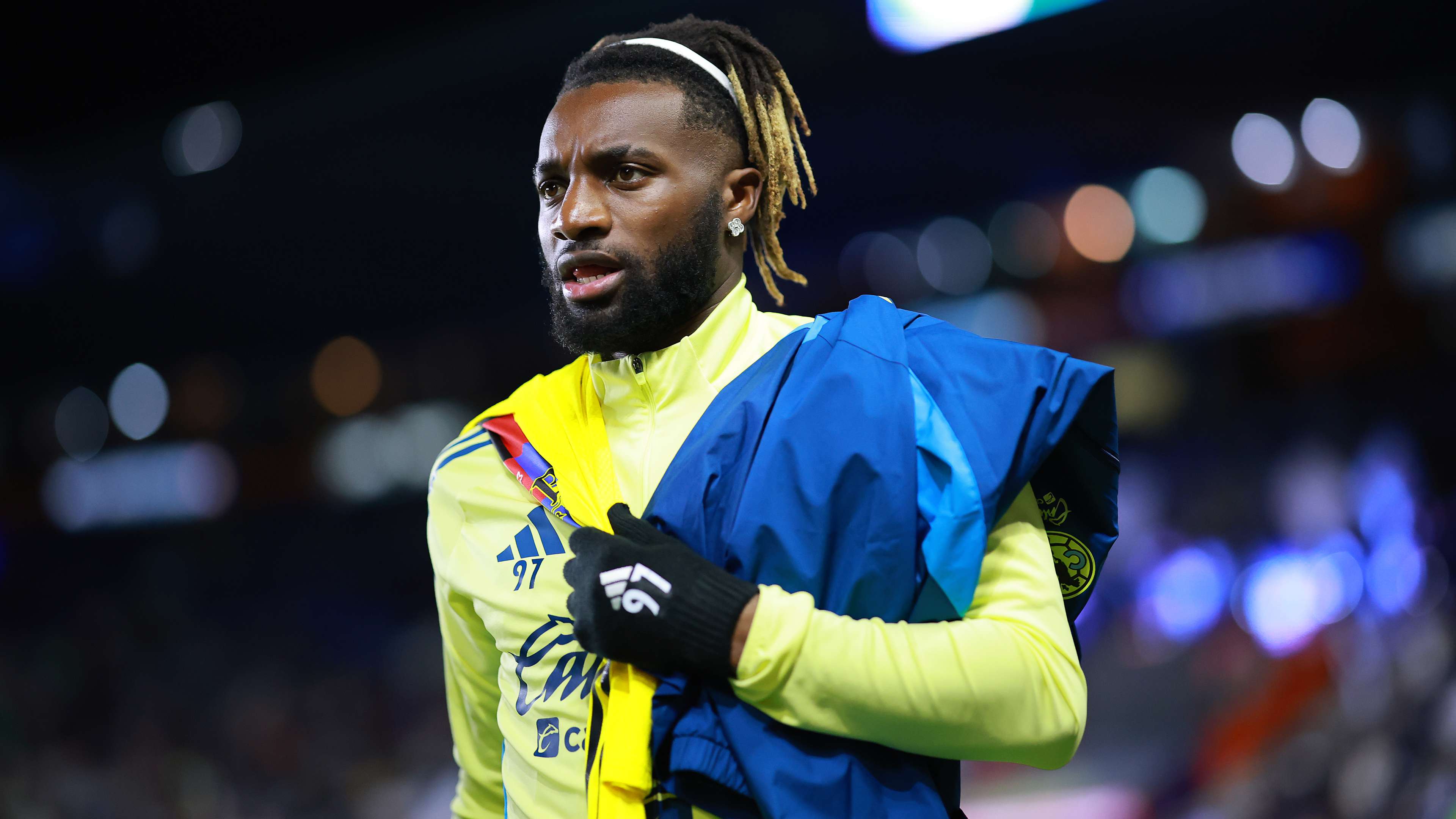

Allan Saint-Maximin Leaves Club América After Racist Incident
Allan Saint-Maximin, the French forward who recently joined Club América, has made the difficult decision to leave the team after his children were victims of a racist incident in Mexico. This shocking turn of events has deeply affected the player, leading him to request his release from the club. This incident has not only brought an end to Saint-Maximin’s brief spell with Club América but has also sparked discussions about racism in football and the treatment of players and their families.
Abrupt Departure
Saint-Maximin’s departure from Club América came as a surprise to many fans and followers of Liga MX. The forward, known for his skill and speed on the field, had shown promise since joining the team. However, the racist incident involving his children proved to be a breaking point for the player, who felt he could no longer continue playing in Mexico.
Despite efforts from the club to address the situation and provide support to Saint-Maximin and his family, the player ultimately decided that his time in Liga MX had come to an end. His departure marks the end of a short but intense chapter in Coapa, leaving fans and teammates alike disappointed to see him go.
Racism in Football
The incident involving Saint-Maximin’s children has reignited conversations about racism in football and the challenges faced by players from diverse backgrounds. While football is often seen as a unifying force that brings people together, incidents like this serve as a reminder that prejudice and discrimination still exist within the sport.
Players, especially those from minority backgrounds, continue to face racism both on and off the field. The impact of these incidents goes beyond the players themselves, affecting their families and loved ones as well. It is essential for clubs, leagues, and football associations to take a stand against racism and work towards creating a more inclusive and welcoming environment for all players.
Support for Saint-Maximin
Following Saint-Maximin’s departure from Club América, there has been an outpouring of support for the player and his family. Fans, teammates, and fellow footballers have expressed their solidarity with Saint-Maximin and condemned the racist incident that led to his decision to leave the club.
Many have called for greater awareness and action to combat racism in football, emphasizing the need for education, diversity training, and strict consequences for those who engage in discriminatory behavior. As the football community rallies around Saint-Maximin, there is hope that his experience will lead to positive change and a renewed commitment to addressing racism in the sport.
Looking Ahead
As Saint-Maximin begins the process of moving on from Club América and the traumatic incident that led to his departure, the football world is left to reflect on the challenges of racism in the sport. While his time in Mexico may have been cut short, it is clear that Saint-Maximin’s impact will be felt far beyond the pitch.
As discussions about racism in football continue, there is hope that players, clubs, and fans will come together to create a more inclusive and respectful environment for all those involved in the beautiful game.
Impact of Racism on Professional Athletes
The decision of Allan Saint-Maximin to leave Club América following a racist incident highlights the pervasive issue of racism in sports, particularly in football. Professional athletes endure immense pressure on and off the field, and instances of discrimination can have lasting effects on their mental health and well-being. The toll that racism takes on players and their families cannot be understated, as it not only affects their careers but also their personal lives.
Moreover, the incident involving Saint-Maximin underscores the importance of providing adequate support and protection for athletes and their loved ones in the face of racial discrimination. Clubs and sports organizations must prioritize the safety and well-being of their players, ensuring that they feel valued and respected both as athletes and individuals.
Role of Predictive Analytics in Football
On a different note, predictive analytics have become an integral part of modern football, offering teams valuable insights into player performance, match outcomes, and strategic decisions. By leveraging data and statistical models, clubs can make more informed predictions about upcoming games, player injuries, and even potential transfers.
Predictive analytics in football involve analyzing various factors such as player statistics, team tactics, and historical match data to forecast outcomes and trends. This data-driven approach not only enhances decision-making for coaches and managers but also provides fans with valuable insights into the game.
Impact of Player Departures on Team Dynamics
When a key player like Allan Saint-Maximin decides to leave a team abruptly, it can have significant implications for team dynamics and performance. The departure of a talented player can disrupt the cohesion and chemistry within the squad, requiring adjustments in tactics and strategies to compensate for the loss.
Club América will need to regroup and adapt to the absence of Saint-Maximin, potentially reshuffling the lineup and exploring new recruitment options to fill the void left by the departing player. The resilience and adaptability of the team will be tested as they navigate the aftermath of Saint-Maximin’s departure and strive to maintain their competitive edge in Liga MX.
Building a Culture of Inclusion in Football
In light of recent events, there is a growing call for football clubs and organizations to foster a culture of inclusion and diversity within the sport. By promoting tolerance, respect, and equality, football can serve as a powerful platform for social change and unity. Initiatives such as anti-racism campaigns, diversity training programs, and community outreach efforts can help combat discrimination and create a more inclusive environment for players and fans alike.
Ultimately, the departure of Allan Saint-Maximin from Club América serves as a poignant reminder of the challenges that athletes face in confronting racism and discrimination. It is imperative for the football community to stand together in solidarity against prejudice and work towards a future where all players are valued, respected, and supported, regardless of their background or ethnicity.
By delving into the broader implications of racism in sports, the role of predictive analytics in football, and the impact of player departures on team dynamics, this expanded content provides a more comprehensive understanding of the issues at hand while offering fresh perspectives on the topic.