
Sampdoria’s Managerial Dilemma: A Saga of Transfer Talks and Uncertain Futures
Sampdoria’s sporting director, Andrea Mancini, found himself in a whirlwind of negotiations and uncertainties as the fate of interim manager Attilio Lombardo hung in the balance. A recent victory over Avellino had seemingly saved Lombardo’s position, but internal power dynamics within the club continued to dictate the manager’s future.
Transfer Talks Gone Awry
Mancini had been proactive in his approach, already in talks with Luca D’Angelo for a potential managerial role at Sampdoria. A lucrative contract offer had been extended to D’Angelo, with a meeting even taking place in Bologna to finalize the details. However, the unexpected call from Spezia, where D’Angelo was currently under contract, threw a wrench into the negotiations.
Despite having an agreement in place with Sampdoria, D’Angelo accepted Spezia’s recall, effectively ending the deal with Mancini’s club. Another potential candidate, Fabio Pecchia, also declined the offer, leaving Mancini in a tricky situation regarding the managerial position.
A Reprieve for Lombardo
Following the turn of events and the positive result against Avellino, Mancini seemed inclined to keep Lombardo in charge until the end of the season. The interim manager would be provided with additional support staff to navigate the challenges ahead.
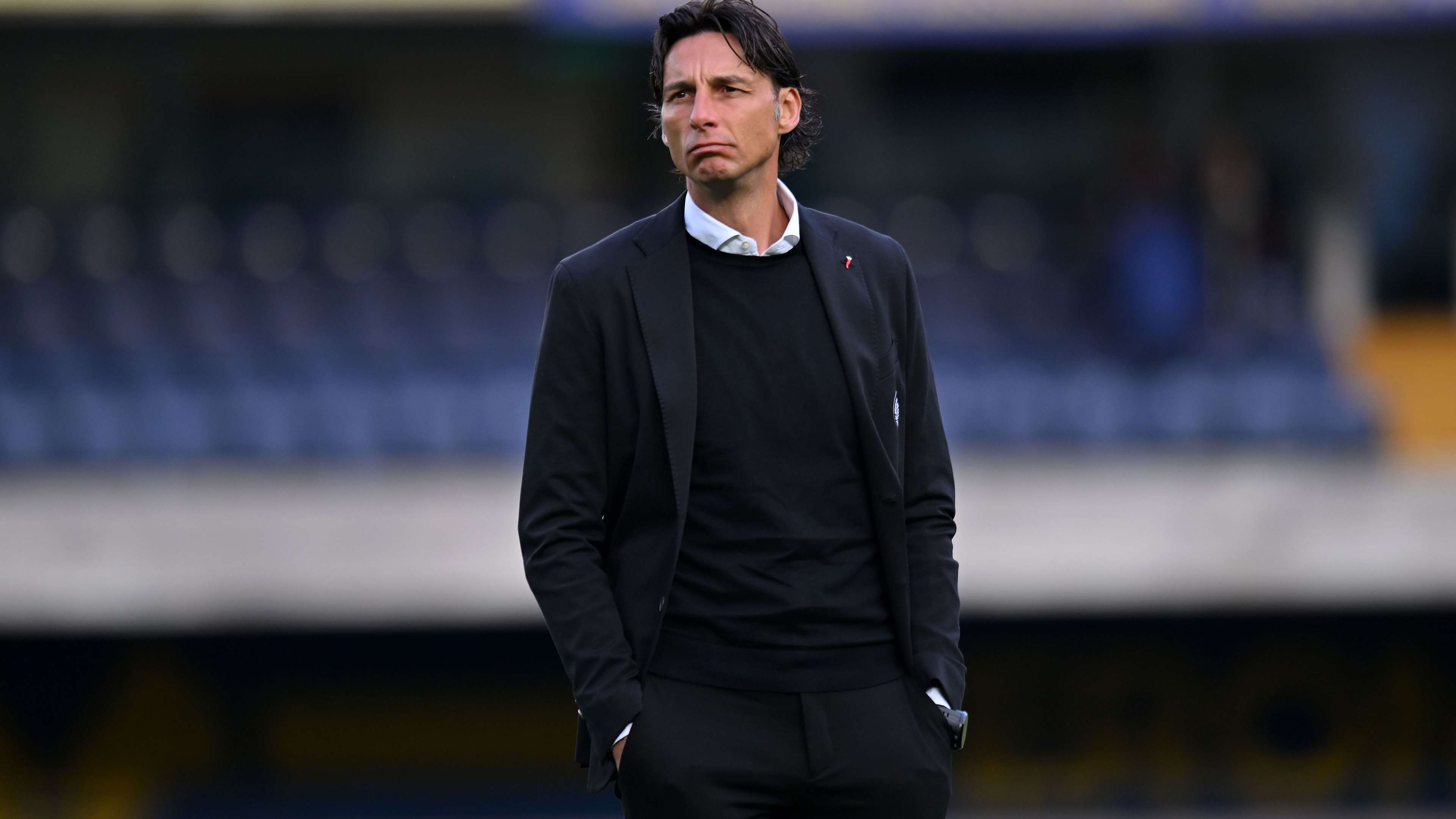
However, the English-speaking contingent within the club, led by Jesper Fredberg and Nathan Walker, remained open to the idea of a managerial change. They were reportedly assessing the profile of Gabriele Cioffi, who had recently concluded his tenure at Udinese.
Uncertain Futures and Club Dynamics
The ongoing saga at Sampdoria highlighted the complex web of internal power struggles and conflicting interests that often dictate managerial decisions in football clubs. The outcome of the power play between various stakeholders within the club would ultimately determine Lombardo’s fate and potentially shape the future direction of Sampdoria.
As the season progressed and the transfer window loomed, Sampdoria found themselves at a crossroads, balancing the need for stability with the desire for change and progress. The club’s fans eagerly awaited updates on the managerial situation, hoping for a resolution that would propel Sampdoria to success.
While uncertainties loomed large, one thing was clear: the world of football management was fraught with challenges and unpredictabilities, where one phone call or one victory could change the course of a club’s history.
Stay tuned for more updates on Sampdoria’s managerial saga as the season unfolds.
Exploring Transfer Dynamics in the World of Football
Transfer talks in football clubs are often a delicate dance of negotiations, ambitions, and uncertainties. The case of Sampdoria’s managerial dilemma sheds light on the intricate process of identifying and securing the right candidate to lead a team to success.
Managers play a pivotal role in shaping the identity and performance of a football club. Their strategic decisions, tactical acumen, and ability to inspire players can make a significant difference on the pitch. Hence, the stakes are high when it comes to appointing a new manager, especially in the midst of a season where each game can potentially make or break a team’s fortunes.
The Art of Managerial Prediction
Predicting the success of a manager is akin to forecasting the outcome of a game – a blend of intuition, analysis, and risk assessment. Clubs like Sampdoria carefully weigh the strengths, weaknesses, and track record of potential candidates to determine who can best steer the team towards victory.
However, as seen in the case of Luca D’Angelo and Fabio Pecchia, managerial predictions are not always foolproof. Factors such as personal preferences, external influences, and unforeseen opportunities can sway a manager’s decision, leaving clubs like Sampdoria grappling with uncertainty.
The Role of Club Dynamics in Managerial Decisions
Club dynamics play a crucial role in shaping managerial decisions, often influencing the direction and stability of a team. Power struggles, vested interests, and differing opinions among key stakeholders can complicate the decision-making process, as evidenced by the internal tensions within Sampdoria.
In the case of Sampdoria, the English-speaking contingent’s preference for a managerial change reflects the diverse viewpoints that exist within football clubs. Balancing these perspectives and aligning them with the club’s overarching goals can be a delicate task, requiring astute leadership and strategic decision-making.
Looking Ahead: Navigating Uncertainties and Embracing Change
As Sampdoria navigates the complexities of its managerial saga, the club finds itself at a critical juncture – a moment of uncertainty and possibility. The upcoming transfer window presents an opportunity for the club to reinforce its squad, make strategic changes, and set the stage for future success.
Amidst the uncertainties and challenges that lie ahead, Sampdoria’s fans remain hopeful for a resolution that will propel the club to greater heights. The world of football is a dynamic and ever-evolving landscape, where adaptability, resilience, and bold decision-making are essential to thrive.
Stay tuned as Sampdoria’s managerial saga unfolds, offering a glimpse into the intricate world of football management and the unpredictable nature of the beautiful game.