
Real Madrid Expresses Frustration Over Refereeing Decisions in La Liga
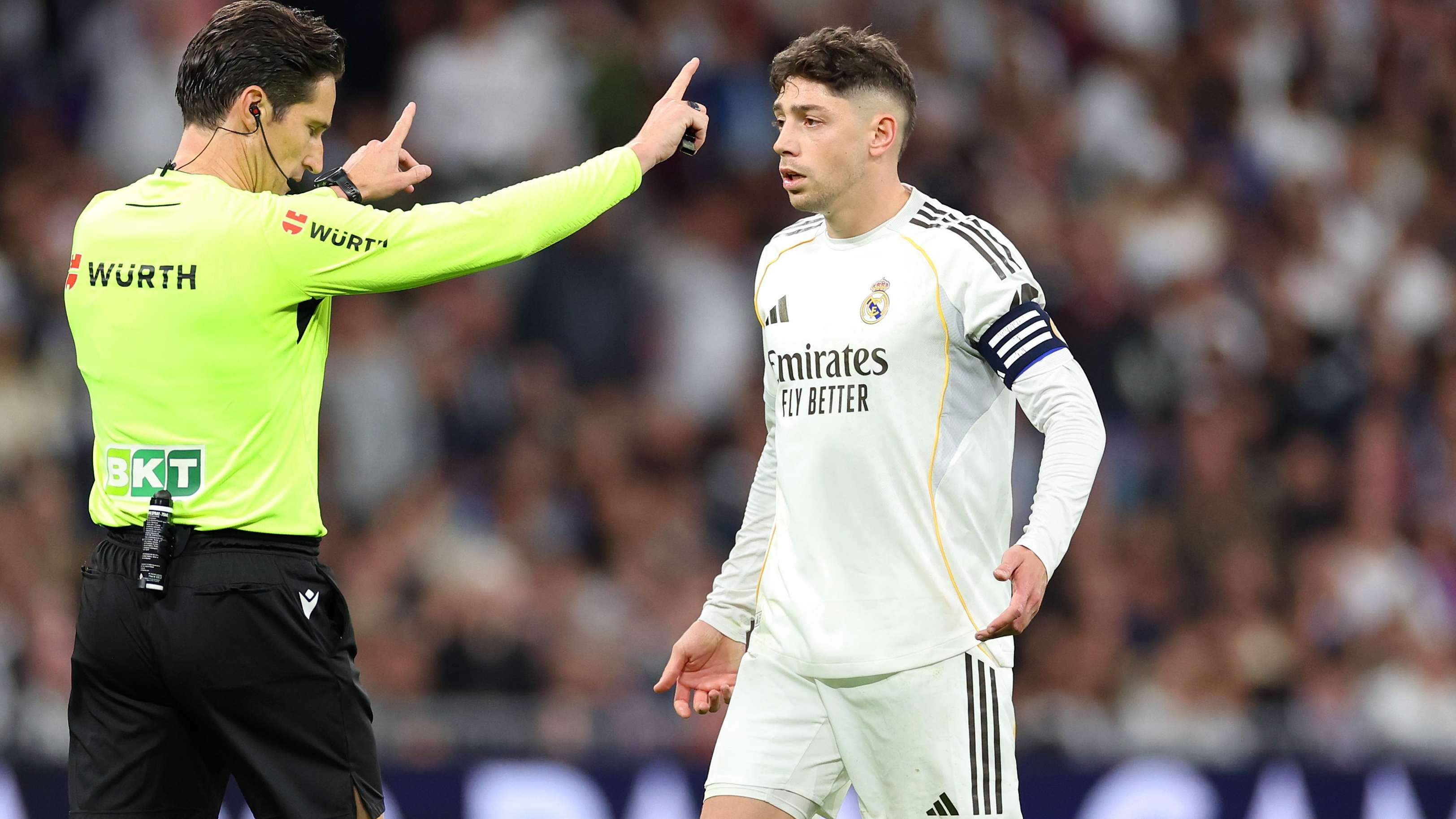
In a recent match against Atletico Madrid, Real Madrid faced controversy as midfielder Federico Valverde received a red card for a tackle on Alex Baena. The decision has sparked criticism from the club, highlighting ongoing concerns about the state of refereeing in La Liga.
Valverde’s Suspension
Following the incident, Valverde was given a straight red card, leading to a two-game suspension in domestic competitions. This means the talented Uruguayan will miss crucial matches against Mallorca and Girona after the international break, leaving a gap in the team’s midfield.
Real Madrid’s frustration with the referee’s decision adds to a growing debate surrounding officiating standards in Spanish football. The club believes that such controversial calls can significantly impact match outcomes and player availability for key fixtures.
Criticism from Real Madrid
Real Madrid’s criticism of the refereeing in La Liga is not new. The club has consistently raised concerns about the quality of officiating and its potential influence on game results. Valverde’s red card is just the latest incident to fuel these discussions within the football community.
The team’s management and fans have expressed disappointment over what they perceive as inconsistent and harsh decisions by referees. They argue that such calls can disrupt the flow of the game and unfairly penalize players, affecting the overall integrity of matches.
Impact on Real Madrid’s Season
Valverde’s suspension comes at a crucial time for Real Madrid, as they aim to maintain their position at the top of the La Liga table. The absence of the talented midfielder could pose challenges for the team as they navigate upcoming fixtures without one of their key players.
Furthermore, the controversy surrounding Valverde’s red card could have wider implications for the club’s season. Real Madrid will need to regroup and adjust their tactics to compensate for his absence, potentially altering their approach in future matches.
Looking Ahead
As Real Madrid prepares to face Mallorca and Girona without Valverde, the club will need to focus on maximizing their strengths and adapting to overcome obstacles. The team’s ability to navigate these challenges could have a significant impact on their performance in the coming weeks.
Ultimately, Real Madrid’s criticism of refereeing decisions in La Liga underscores the importance of fair and consistent officiating in football. The club’s concerns reflect a broader discussion within the sport about the need for transparency and accountability in refereeing standards to ensure a level playing field for all teams.
Keywords: football, prediction, Real Madrid, La Liga, refereeing, controversy, suspension
Real Madrid’s History of Refereeing Controversies
Real Madrid’s frustration with refereeing decisions in La Liga is not an isolated incident. The club has a long history of contentious calls that have impacted their matches and results. From disputed penalties to questionable red cards, Real Madrid has often found themselves at the center of refereeing controversies.
Over the years, Real Madrid has voiced their concerns about the consistency and fairness of officiating in Spanish football. The club’s fans and management have pointed out instances where they believe referees have made biased or erroneous decisions that have affected the outcome of games.
This ongoing tension between Real Madrid and referees has led to a sense of distrust and disillusionment within the club and its supporters. The perception of unfair treatment by officials has only exacerbated the already intense pressure and scrutiny that Real Madrid faces as one of the most successful and high-profile teams in the world.
The Impact of Refereeing Decisions on Player Performance
Beyond the immediate consequences of suspensions and match results, controversial refereeing decisions can also have a significant impact on the mental and emotional state of players. When players feel that they have been unfairly penalized or disadvantaged by referees, it can affect their confidence and focus on the field.
In the case of Federico Valverde’s red card, the suspension not only deprives Real Madrid of a key player but also sends a message to the rest of the team about the consequences of aggressive play. Players may become more cautious or hesitant in their tackles, fearing similar repercussions from referees in future matches.
This psychological aspect of refereeing controversies adds another layer of complexity to the game, as players must navigate not only the physical challenges on the pitch but also the mental obstacles created by perceived injustices from officials.
The Need for Transparency and Accountability in Officiating
Real Madrid’s vocal criticism of refereeing decisions in La Liga underscores the broader issue of transparency and accountability in officiating standards. The club’s calls for fair and consistent refereeing reflect a growing demand within the football community for greater clarity and oversight in how matches are officiated.
Many fans and analysts argue that technology, such as VAR (Video Assistant Referee), should be used more extensively to ensure that referees make accurate and impartial decisions. By reducing human error and providing a means for reviewing controversial incidents, VAR could help address some of the concerns raised by Real Madrid and other teams about refereeing standards.
Ultimately, the debate over refereeing in football is unlikely to be resolved quickly or easily. However, by continuing to speak out against perceived injustices and advocating for greater transparency and accountability, clubs like Real Madrid can contribute to a more equitable and trustworthy officiating system in the long run.
Conclusion
Real Madrid’s frustration over refereeing decisions in La Liga is a reflection of the larger challenges and controversies that surround officiating in football. As the club navigates the fallout from Federico Valverde’s suspension and prepares for upcoming matches, they will need to not only adapt tactically on the field but also continue to advocate for fair play and consistency in refereeing standards.
By highlighting the impact of controversial calls on player performance, the importance of transparency in officiating, and the history of tensions between Real Madrid and referees, this situation serves as a reminder of the complexities and nuances of the beautiful game of football.