
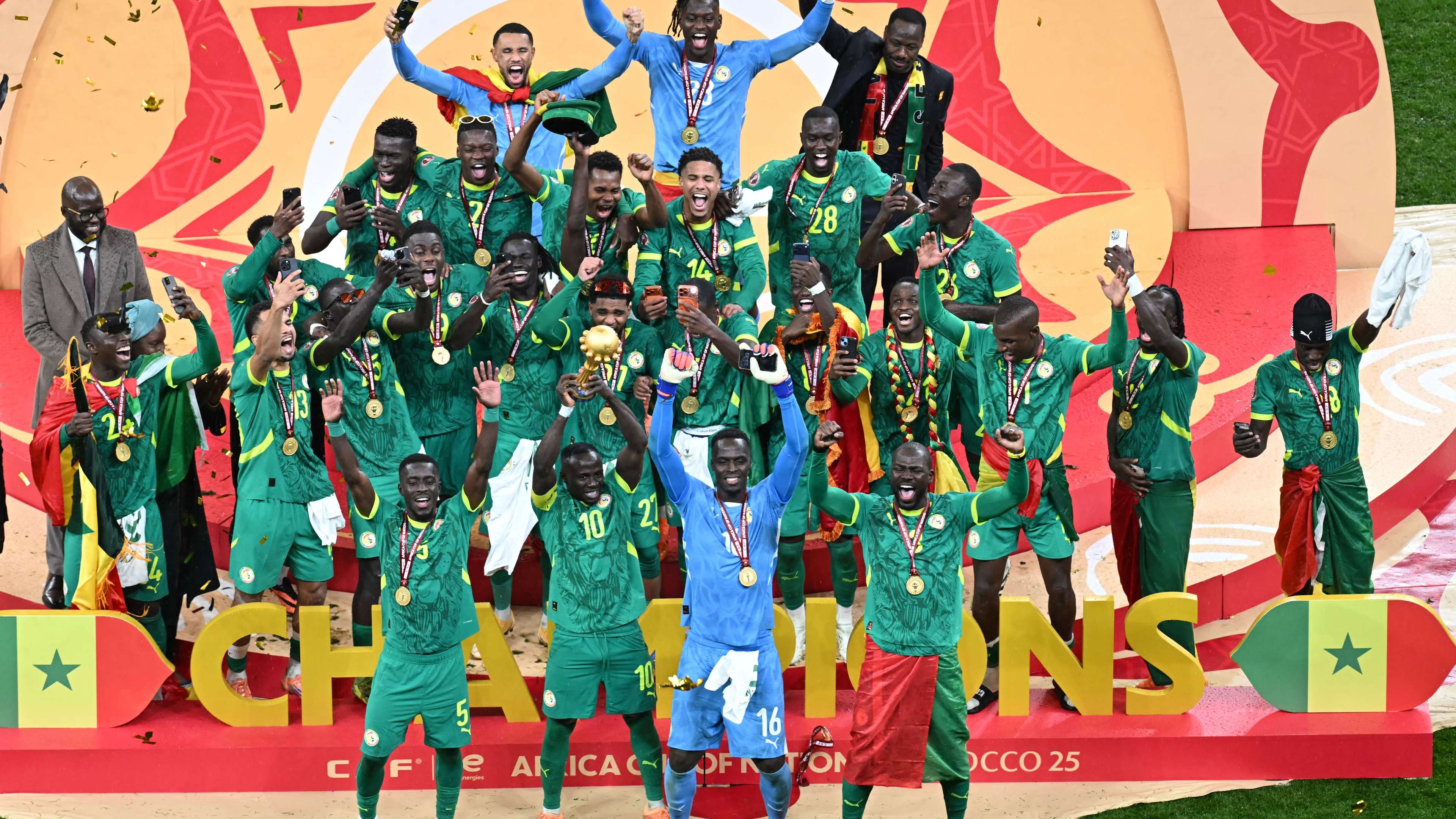

Senegalese Football Federation Appeals CAF Decision on 2026 Africa Cup of Nations
The 2026 Africa Cup of Nations has been embroiled in controversy following a recent decision made by the Confederation of African Football (CAF). The Senegalese Football Federation (FSF) has now taken the matter to the Court of Arbitration for Sport, seeking to appeal CAF’s ruling.
Background
The drama began on 18 January when Senegal secured a victory on the pitch. However, CAF’s decision to overturn the verdict on 18 March and award a 3-0 victory and the Cup by default to Morocco left many baffled. Senegal was declared the losers by default after reportedly walking off the pitch during the match.
Official Appeal
The FSF has decided to challenge CAF’s decision by lodging an official appeal with the Court of Arbitration for Sport. The aim of this appeal is to overturn CAF’s previous ruling and clear Senegal’s name in the tournament. While the appeal has been filed, a date for the hearing has not yet been announced.
Senegal’s decision to contest CAF’s ruling has sparked a wave of support from fans and analysts alike. Many believe that Senegal deserves a fair chance to present their case and prove their innocence in the matter. The appeal process will allow both parties to present their arguments and evidence before a final decision is reached.
Implications
The outcome of this appeal could have far-reaching implications for the future of the Africa Cup of Nations and the integrity of the sport. If Senegal’s appeal is successful, it could set a precedent for future disputes and ensure that teams are treated fairly and justly in similar situations.
On the other hand, if CAF’s decision is upheld, it could raise questions about the transparency and fairness of the governing body’s decisions. Fans and stakeholders will be closely following the developments in this case to see how it unfolds and what impact it will have on the sport.
Looking Ahead
As the football world eagerly awaits the outcome of this appeal, the spotlight remains on Senegal and their quest for justice in the 2026 Africa Cup of Nations. The FSF’s decision to take this matter to the Court of Arbitration for Sport shows their determination to clear their name and right the perceived wrongs of CAF’s decision.
While the final verdict is still pending, one thing is certain – this appeal has reignited interest in the tournament and sparked a debate about fairness and sportsmanship in football. Whether Senegal will emerge victorious in this battle remains to be seen, but one thing is clear – the footballing world will be watching closely.
Challenges Faced by Senegal
One of the key challenges faced by Senegal in their appeal against CAF’s decision is the burden of proof. The FSF will need to provide substantial evidence to support their claims and demonstrate that they were unjustly penalized during the match in question. This will require a thorough investigation and presentation of facts to sway the Court of Arbitration for Sport in their favor.
Additionally, Senegal will need to navigate the legal complexities of the appeals process, which can be time-consuming and costly. The FSF will have to allocate resources and manpower to build a strong case and ensure that their arguments are effectively communicated during the hearing.
Impact on African Football
The outcome of Senegal’s appeal will not only affect the country’s reputation in international football but also have broader implications for African football as a whole. A decision in favor of Senegal could strengthen the credibility of African football governance structures and promote a culture of transparency and fairness within the sport.
Conversely, if CAF’s ruling is upheld, it may raise concerns among other African nations about the consistency and accountability of the governing body. This could potentially lead to further challenges and disputes in future tournaments, impacting the overall reputation and perception of African football on the global stage.
Calls for Reform
The controversy surrounding the 2026 Africa Cup of Nations has reignited calls for reform within CAF and other football governing bodies in Africa. Many stakeholders, including fans, players, and officials, have expressed a desire for greater accountability, transparency, and integrity in the administration of the sport.
This incident has highlighted the need for clearer guidelines and procedures in handling disputes and disciplinary actions during football matches. It may serve as a catalyst for discussions on how to improve the governance structures within African football to prevent similar controversies in the future.
Conclusion
As Senegal’s appeal makes its way through the legal process, the footballing world remains divided on the outcome of this case. While some believe that justice will prevail and Senegal will be vindicated, others are skeptical about the potential impact of the appeal on the sport.
Regardless of the final decision, one thing is certain – the 2026 Africa Cup of Nations will be remembered not only for the drama on the pitch but also for the legal battle that ensued off it. The resolution of this appeal will shape the future of African football and set a precedent for how disputes are resolved in the sport.
As fans eagerly await the verdict, the spotlight remains firmly on Senegal and their pursuit of justice in the face of adversity. Only time will tell whether Senegal’s appeal will be successful and what implications it will have for the sport of football in Africa and beyond.