
Unraveling the Intrigue: Football, Politics, and International Influence in the Manchester City Case
The world of football is often seen as a battleground of passion, skill, and competition. However, recent developments have illuminated how the sport intersects with global politics, economic interests, and even national security concerns. The latest controversy surrounding Manchester City, one of England’s most prominent football clubs, has taken a dramatic turn, revealing a complex web of influence that extends beyond the pitch.
Manchester City’s Financial Breach and the Ongoing Saga
In an unprecedented move, the Premier League announced that Manchester City was found guilty of violating financial regulations on 114 counts. These allegations relate to breaches of the league’s strict financial fair play rules, which aim to promote transparency and fair competition among clubs. The verdict has sent shockwaves through the football community, prompting the club to immediately appeal the decision. This legal process is expected to unfold over several months, leaving fans and stakeholders in a state of uncertainty about the future of the club.
The implications of this case are far-reaching. A potential heavy punishment could threaten Manchester City’s dominance in English football, and possibly alter the competitive landscape of the Premier League. Yet, amidst the legal wrangling and public debate, another, more clandestine story has begun to surface—one that involves international diplomacy, diplomatic pressure, and even geopolitical maneuvering.
The Allegations of Blackmail and International Political Pressures
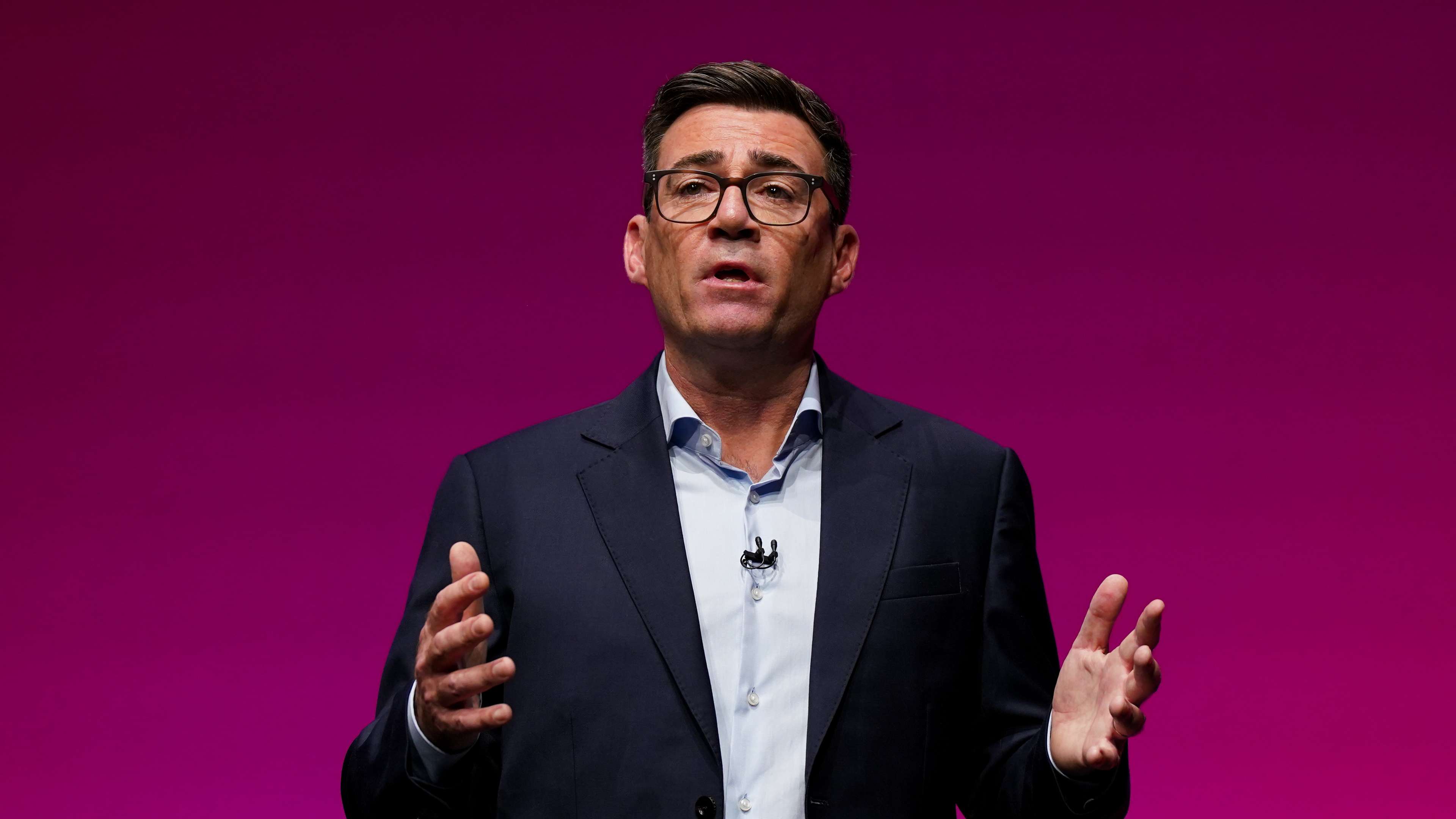
According to reports from The Telegraph, a reputable British newspaper, Prime Minister Andy Burnham has become inadvertently entangled in a political intrigue involving the United Arab Emirates (UAE). The newspaper alleges that elements within the UAE are actively exerting pressure on Burnham and other British officials, ostensibly to influence the outcome of Manchester City’s disciplinary proceedings.
Specifically, it is claimed that the UAE is attempting to dissuade the British government from imposing severe penalties on Manchester City, citing the club’s significance as a symbol of international investment and soft power. This alleged pressure is said to involve covert tactics, including instances of blackmail, aimed at ensuring the club’s owners are not penalized too harshly—an extraordinary development that blurs the lines between sports governance and international diplomacy.
The Role of Arab Ownership and Economic Interests in Football
Manchester City’s ownership structure is a focal point of this controversy. The club has been under the ownership of the City Football Group, which is linked to prominent figures from the United Arab Emirates, notably Sheikh Mansour. The owner’s substantial investments in the club have transformed Manchester City into a global brand, making it a key player in the international football scene.
However, the implications extend beyond sports. Many analysts argue that foreign ownership of football clubs has become a strategic tool for countries seeking to project soft power and influence abroad. The UAE, with its ambitions to elevate its global profile, appears to see Manchester City as a valuable asset in this regard. The potential threat of sanctions or disciplinary action could jeopardize these interests, which, according to sources, is why external political forces may be exerting pressure behind the scenes.
Political Statements, Backtracking, and Public Sentiment
The controversy intensified when British Prime Minister Andy Burnham publicly commented on the Manchester City case. Initially, Burnham expressed concern that if the club’s owners, believed to be from the Arab world, were forced to sell due to disciplinary sanctions, it would be a significant blow not only to the club but also to England’s reputation in international football. He emphasized the club’s importance as a major economic and cultural asset in Manchester and the broader UK.
However, Burnham’s comments drew sharp criticism from opposition voices and legal experts, prompting him to clarify his stance. The following day, he publicly reaffirmed the principle that “no club is above the law,” signaling a cautious approach amid mounting political pressure and media scrutiny. This sequence of events underscores the delicate balance politicians must maintain when navigating the intersection of sports, national interests, and international diplomacy.
Geopolitical Ramifications and the UK’s Broader Strategic Goals
The Manchester City controversy is emblematic of a larger trend: the increasing influence of geopolitical considerations in global football. Beyond the sport itself, governments are recognizing the strategic value of football clubs as instruments of diplomacy, economic development, and international reputation management.
In a related development, The Telegraph reports that the UK government is exploring plans to develop a major technology hub between Oxford and Cambridge, akin to Silicon Valley in the United States. This ambitious project aims to position Britain as a leader in innovation and high-tech industries. However, the initiative faces stiff competition for investment, particularly from wealthy Middle Eastern investors who have shown keen interest in funding such ventures.
Sources suggest that Arab investors, potentially linked to Sheikh Mansour and other Gulf-based financiers, have indicated that their willingness to invest heavily in the UK’s tech sector depends, in part, on the outcome of the Manchester City case. If the club faces severe sanctions, these investors are reportedly prepared to withdraw their support, which could significantly impact Britain’s broader economic ambitions.
Implications for Football and Beyond
This unfolding saga highlights the multifaceted nature of modern football. While on the surface it appears as a straightforward legal dispute over financial compliance, the underlying currents reveal a complex interaction of sports, politics, and international influence. The case underscores how football clubs have evolved into geopolitical assets, with their ownership, management, and disciplinary proceedings reflecting broader global power dynamics.
For fans and stakeholders, it is a stark reminder that the beautiful game is not immune to the machinations of geopolitics. The outcome of Manchester City’s appeal could set a precedent for how foreign influence and political considerations shape the future of football governance worldwide.
Looking Ahead: What’s Next for Manchester City and International Football?
As the legal process unfolds, all eyes remain on Manchester City. Will the club face sanctions that could alter its trajectory? Will political pressures force a reconsideration of disciplinary measures? And, perhaps most intriguingly, how will international diplomacy influence the decisions made behind closed doors?
Football prediction enthusiasts and analysts will be watching closely, as these developments could have ripple effects across the sport. The case serves as a reminder that football, while rooted in community and competition, is also a vibrant arena where global interests collide.
Conclusion
The Manchester City controversy exemplifies the evolving landscape of football in a globalized world. It raises critical questions about governance, influence, and the limits of political interference in sport. As the UK navigates this complex scenario, the broader implications for international football and geopolitics remain to be seen. One thing is certain: the beautiful game continues to be a mirror reflecting the intricate tapestry of modern global affairs.