
**Indian Badminton Players Still Await Certificates Months After Administrative Lapse**
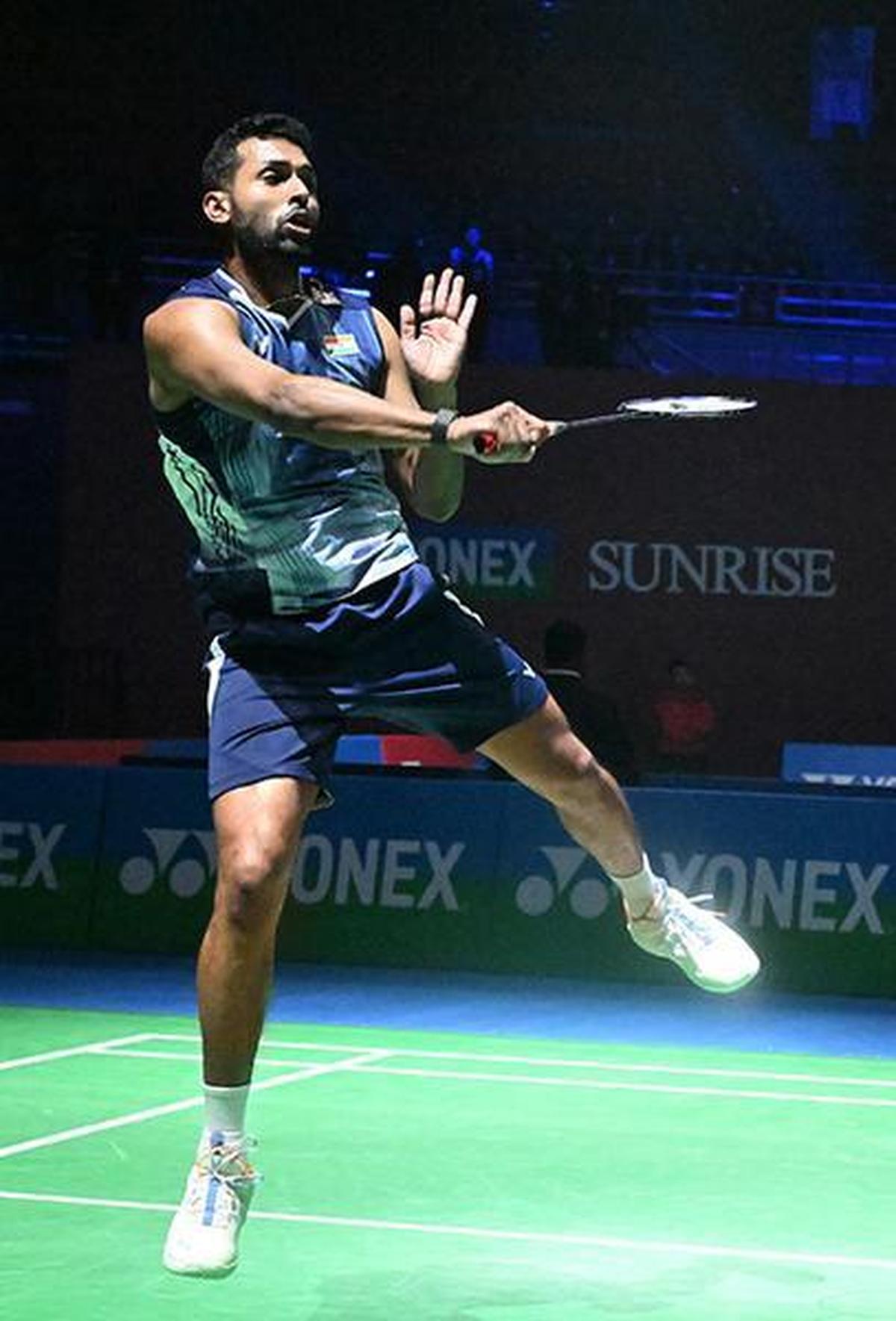
Months after facing an administrative mishap that prevented them from competing at the World University Games, six Indian badminton players are still waiting for their promised participation certificates. This delay comes despite assurances from the Association of Indian Universities (AIU) to rectify the situation.
**Background of the Incident**
A 12-member Indian badminton squad was initially selected to represent the country at the Games held in Rhine-Ruhr, Germany. However, only six players were able to enter the managers’ meeting, leading to the remaining half being barred from competition, despite being present at the venue. The AIU took action by forming an inquiry committee and suspending its joint secretary, Baljit Singh Sekhon.
The six players who managed to compete – Sathish Kumar Karunakaran, Saneeth Dayanand, Tasnim Mir, Varshini Viswanath Sri, Devika Sihag, and Vaishnavi Khadkekar – went on to achieve a historic bronze medal in the mixed team event. Unfortunately, the excluded players – Alisha Khan, Rohan Kumar, Darshan Pujari, Aditi Bhatt, Abhinash Mohanty, and Viraj Kuvale – were denied certificates, recognition, and benefits associated with international medals.
**Ongoing Uncertainty for the Players**
Despite the Sports Ministry issuing a show-cause notice to AIU for its failure in athlete development and planning, the excluded players are still awaiting their certificates. The lack of clarity from the governing body has left these players in a state of limbo.
Alisha Khan expressed her frustration at the lack of response from officials, stating that promises made during a Zoom meeting in Germany have not been fulfilled. The players were assured equal recognition, cash rewards, and merit certificates upon returning to India, but they have yet to receive any concrete responses.
Sathish Kumar Karunakaran echoed Khan’s sentiments, emphasizing the frustration of not receiving the promised cash awards and facing silence from AIU officials. The absence of official certification has devalued the medals received by the excluded players, making their achievements seem hollow.
**Awaiting Closure**
With no public disclosure of the outcome of the AIU inquiry and no formal recognition extended to the excluded players, the wait continues for closure on an episode that deprived them of the opportunity to compete on the international stage.
The delay in providing the promised certificates not only affects the recognition and benefits due to these players but also raises questions about the accountability and transparency of sports governing bodies in India. As these talented athletes await resolution, the spotlight is on the AIU to fulfill its commitments and ensure that justice is served to all deserving players in the Indian badminton community.
**The Impact on Indian Badminton**
The repercussions of the administrative mishap go beyond just the delayed certificates for the affected players. The incident has cast a shadow on the Indian badminton community as a whole, raising concerns about the level of organization and support provided to athletes at international events.
The lack of follow-through on promises made to the players not only affects their morale but also reflects poorly on the integrity of the institutions responsible for overseeing sports in India. The delayed certificates underscore a larger issue of accountability and transparency within sports administration, highlighting the need for more robust systems to support and recognize athletes.
The success of the six players who managed to compete and secure a bronze medal in the mixed team event at the World University Games serves as a bittersweet reminder of what could have been for the excluded players. Their achievements, while commendable, are marred by the absence of recognition and rewards that were promised to them.
**Lessons Learned and Calls for Reform**
The incident involving the Indian badminton players serves as a wake-up call for the sports authorities in India to revisit their protocols and ensure that such lapses do not occur in the future. It underscores the importance of clear communication, accountability, and timely follow-up in supporting athletes and honoring their accomplishments.
Moving forward, there is a growing demand for greater transparency and accountability within sports governance in India. Athletes, coaches, and fans alike are calling for reforms that prioritize the well-being and recognition of players, ensuring that administrative lapses do not overshadow their hard work and dedication.
The delayed certificates for the excluded players have brought to light the need for a more efficient and responsive system for handling such situations. By addressing these issues promptly and transparently, sports authorities can restore trust and confidence in the fair treatment of athletes representing India on the global stage.
As the Indian badminton players continue to await closure on this unfortunate chapter, the hope remains that lessons will be learned, reforms will be implemented, and the integrity of Indian sports will be upheld. It is crucial for all stakeholders to come together to ensure that such incidents are not repeated, and that the achievements of athletes are rightfully acknowledged and celebrated.