
Germany’s Head Coach, Julian Nagelsmann, Apologizes to Deniz Undav
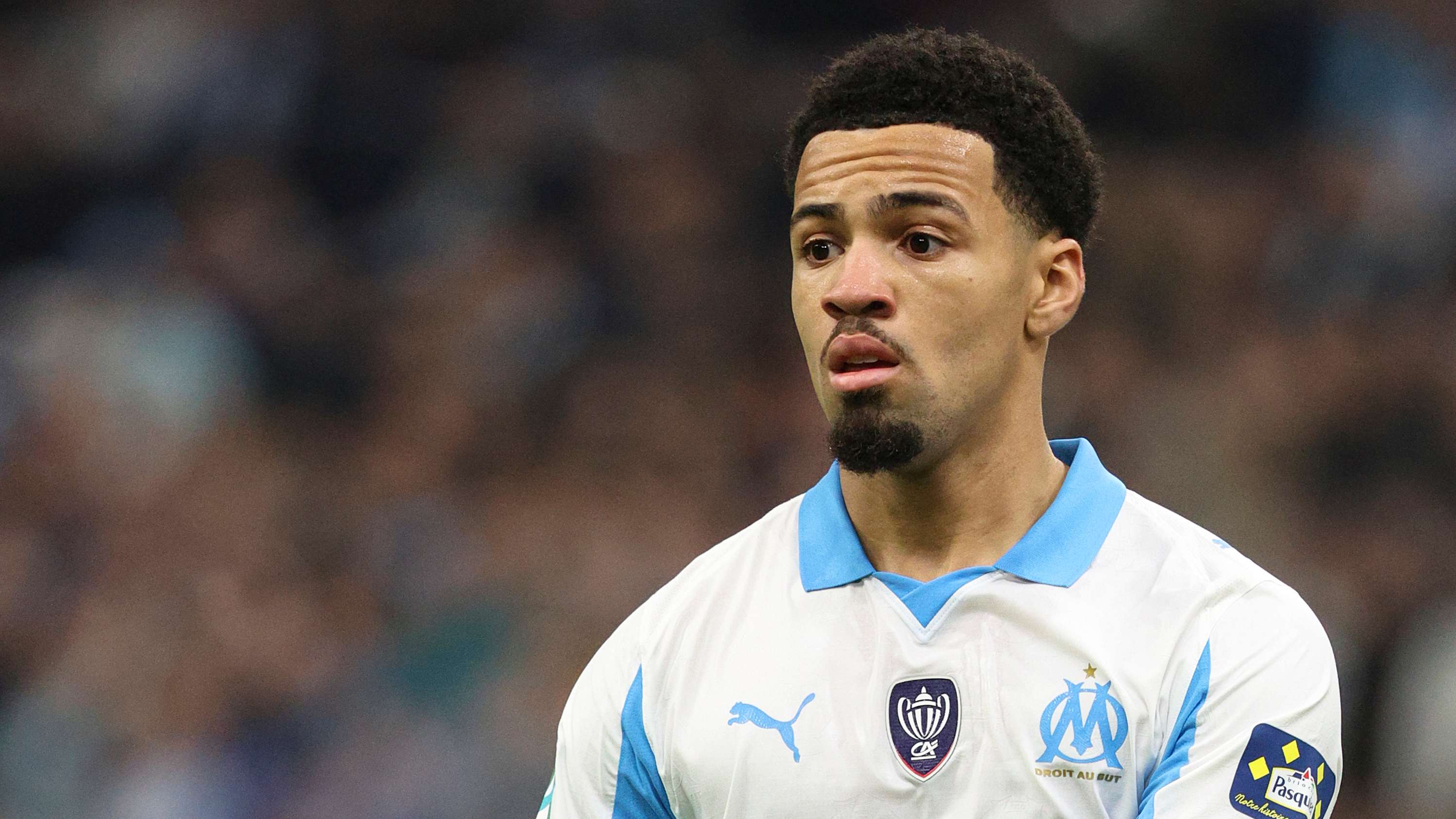
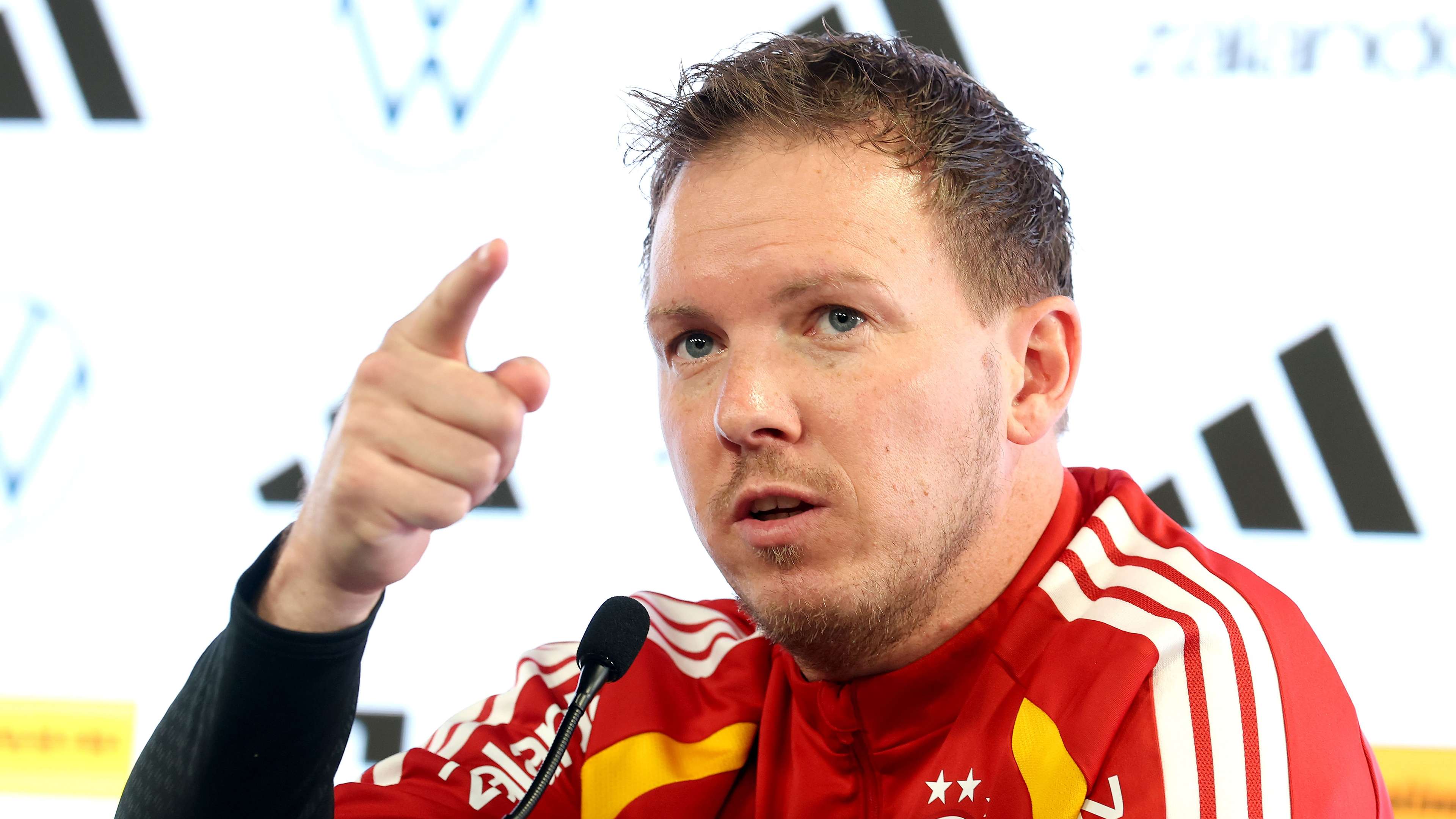
Julian Nagelsmann, the head coach of the German national football team, recently issued a formal apology to Deniz Undav following his controversial public assessment of the striker’s performance last month. The incident occurred when Nagelsmann made comments about Undav’s play for VfB Stuttgart that were deemed too blunt and critical.
As a former Bayern Munich boss, Nagelsmann is no stranger to the pressures of managing top-tier players and has since recognized the need to address the situation in a more diplomatic manner. In light of the upcoming World Cup, the coach has taken steps to clarify his relationship with Undav and ensure that there are no lingering tensions that could affect the team’s performance.
Apology and Clarification
Nagelsmann’s apology to Undav signals a shift in his approach to player feedback and communication. The coach acknowledged that his previous comments may have been too harsh and expressed regret for any misunderstandings that may have arisen as a result. By extending an olive branch to the striker, Nagelsmann hopes to mend any strained relationships and foster a more positive and collaborative atmosphere within the team.
During his public statement, Nagelsmann emphasized the importance of constructive criticism and the need for mutual respect between players and coaching staff. He reassured Undav that his intention was never to undermine his abilities but rather to push him to reach his full potential as a player.
Looking Ahead to the World Cup
With the World Cup on the horizon, Nagelsmann understands the significance of unity and solidarity within the German national team. As they prepare to face formidable opponents on the global stage, the coach is keen on avoiding any distractions or internal conflicts that could jeopardize their chances of success.
By addressing the issue with Undav promptly and transparently, Nagelsmann is setting a positive example for the rest of the team and demonstrating his commitment to fostering a supportive and inclusive team environment. As they gear up for the upcoming tournament, the German squad can now focus on their preparations with a renewed sense of camaraderie and shared purpose.
In conclusion, Julian Nagelsmann’s apology to Deniz Undav serves as a reminder of the importance of effective communication and mutual respect in the world of professional football. As the German national team continues to fine-tune their strategies and tactics ahead of the World Cup, Nagelsmann’s willingness to address and rectify any conflicts within the team bodes well for their prospects on the international stage.
Julian Nagelsmann’s Leadership Style
Julian Nagelsmann’s approach to coaching and team management has long been characterized by his attention to detail, tactical acumen, and ability to foster strong relationships with his players. As one of the youngest head coaches in top-level football, Nagelsmann has quickly established himself as a rising star in the coaching world, known for his innovative methods and progressive coaching philosophy.
His willingness to admit mistakes and publicly apologize to Deniz Undav demonstrates his humility and commitment to maintaining a positive team dynamic. Nagelsmann’s ability to set aside his ego and prioritize the well-being of his players showcases his leadership qualities and ability to inspire loyalty and respect among the team.
The Importance of Player-Coach Relationships
In professional football, the relationship between players and coaches plays a crucial role in a team’s success. Effective communication, mutual trust, and respect are foundational elements that can enhance team cohesion and performance on the field. By addressing the issue with Deniz Undav in a transparent and respectful manner, Nagelsmann is reinforcing the importance of nurturing strong player-coach relationships.
As the German national team gears up for the World Cup, the harmony and understanding between players and coaching staff will be essential in navigating the challenges of the tournament. Nagelsmann’s willingness to apologize and clarify his intentions with Undav sets a positive tone for the team and reinforces the idea that open communication and mutual respect are key components of a winning team culture.
Lessons Learned and Moving Forward
Julian Nagelsmann’s apology to Deniz Undav serves as a valuable lesson in accountability, humility, and the power of effective communication in sports. By acknowledging his mistake and taking steps to rectify the situation, Nagelsmann has shown that even the most seasoned professionals can learn and grow from their experiences.
As the German national team prepares to compete on the world stage, Nagelsmann’s actions exemplify the importance of unity, collaboration, and a shared sense of purpose within the team. By addressing any conflicts or misunderstandings promptly and transparently, the team can focus on their common goal of representing their country with pride and determination at the upcoming World Cup.
In conclusion, Julian Nagelsmann’s apology to Deniz Undav highlights the complexities of leadership in professional football and the significance of building strong relationships within a team. As the German national team embarks on their World Cup journey, Nagelsmann’s commitment to unity and communication sets a positive tone for the team’s collective pursuit of success on the global stage.