
Qatar’s Victory Under Scrutiny: Will the Three Points Be Reinstated Despite Bahrain’s Protest?
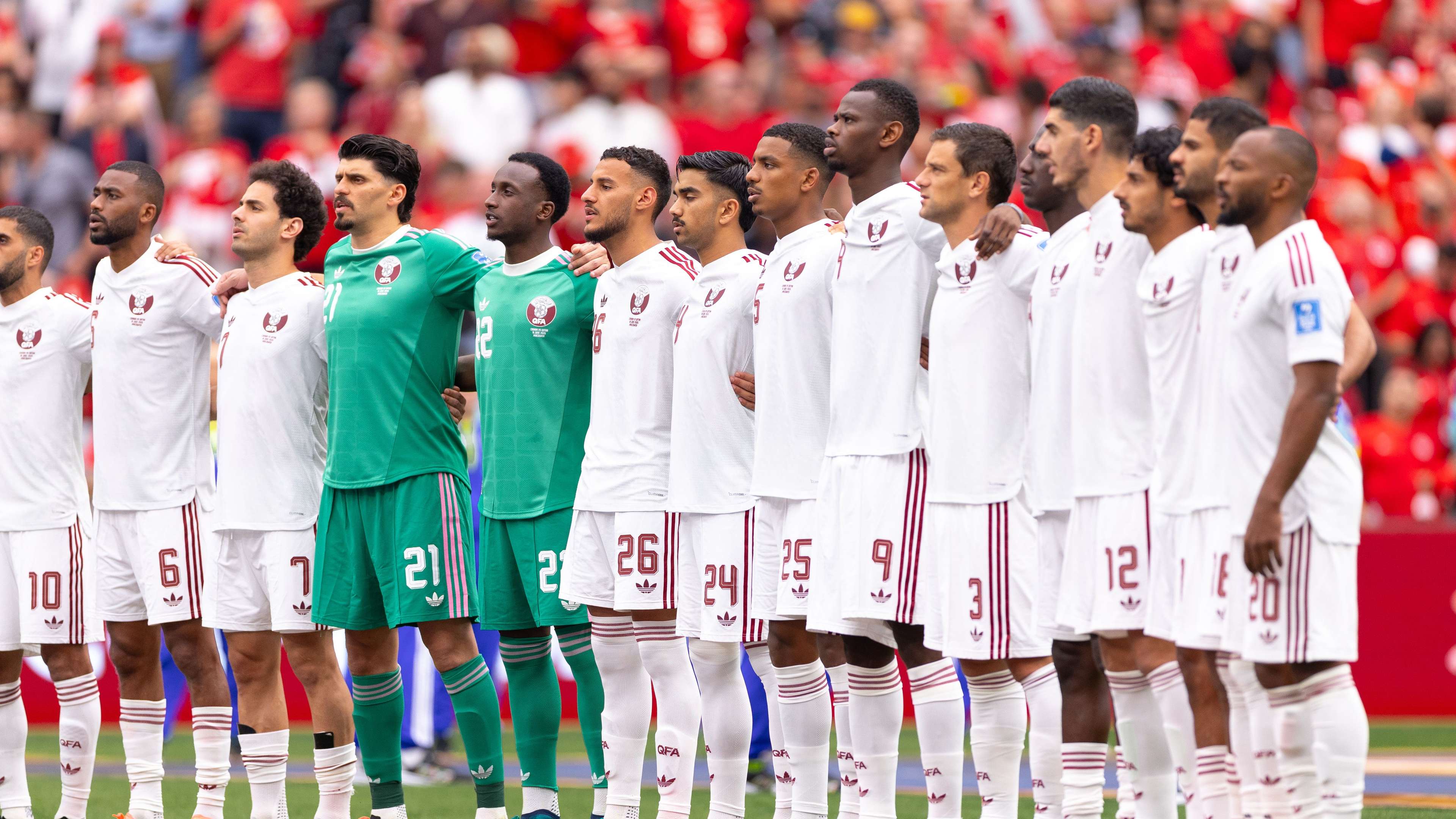
In a captivating opening fixture of the Arabian Gulf Cup “Gulf 27,” Qatar secured a 2-0 victory over Bahrain at the prestigious Prince Abdullah Al-Faisal Sports City Stadium in Jeddah. However, this seemingly straightforward win has been clouded by controversy, igniting debates among football enthusiasts, pundits, and governing bodies about the legitimacy of the result and the potential consequences that could reshape the current group standings.
Match Recap: A Promising Start for Qatar Amidst Controversy
The opening round of the Gulf Cup saw Qatar demonstrate resilience and tactical discipline to overcome Bahrain in their first group encounter. The match was characterized by intense midfield battles and strategic plays, culminating in Qatar’s two-goal victory. The goals, scored by key players, provided a much-needed boost for Qatar’s campaign as they aim to defend their Gulf Cup title and build momentum for upcoming fixtures.
From a football prediction perspective, many experts initially predicted a tightly contested clash, considering Bahrain’s recent form and competitive spirit. However, Qatar’s ability to secure a win in their first outing positioned them favorably in the group standings and bolstered their confidence heading into subsequent matches.
The Underlying Controversy: Bahrain’s Protest Over Player Eligibility
Despite the on-field success, the post-match atmosphere quickly shifted as Bahrain lodged a formal protest with tournament authorities, challenging Qatar’s victory on the grounds of player eligibility. The focal point of this dispute centers around Asem Madibo, a pivotal midfielder for Qatar, whose participation in the match is now under scrutiny.
According to reports from Qatar’s “Al-Kass” sports channel, Bahrain’s football federation contends that Madibo was ineligible to play due to an alleged suspension stemming from his conduct during the 2026 FIFA World Cup qualifiers. Specifically, Bahrain claims that Madibo was serving a five-match ban imposed by FIFA following a red card he received during the second round of the World Cup group stage in Qatar last year.
Background: The Suspended Player and FIFA’s Disciplinary Actions
To understand the gravity of Bahrain’s protest, it is essential to revisit the circumstances surrounding Madibo’s disciplinary record. During the 2026 World Cup qualifiers, Madibo was sent off after a violent challenge on Canada’s Ismael Kone. FIFA’s disciplinary committee responded swiftly, imposing a five-match suspension to deter violent conduct and uphold fair play standards.
In the context of the Gulf Cup, this suspension should have barred Madibo from participating in Qatar’s opening match. The fact that he played raises questions about whether the necessary disciplinary procedures were followed, or if there was an oversight or administrative error. The outcome of this dispute could have significant implications for Qatar’s victory and the overall tournament standings.
Implications for the Gulf Cup Standings and Future Predictions
If Bahrain’s protest is successful and FIFA’s regulations are upheld, the consequences could be profound. The match’s result would be nullified, and the three points awarded to Bahrain, elevating them to second place in Group Two with three points. This would position Bahrain on equal footing with the United Arab Emirates (UAE), who currently top the group on goal difference.
For Qatar, the outcome would be a setback, dropping their position from first to third in the group, possibly impacting their confidence and qualification prospects. Such developments would undoubtedly influence football predictions moving forward, as analysts reassess the strength and integrity of the participating teams based on the revised standings.
The Broader Context: Integrity, Fair Play, and Tournament Credibility
This incident underscores a broader debate within international football about the importance of maintaining strict adherence to disciplinary regulations and ensuring fair competition. FIFA’s disciplinary framework is designed to uphold integrity, but administrative oversights or miscommunications can sometimes undermine these objectives.
Moreover, the controversy highlights the challenges faced by tournament organizers in managing player eligibility amid complex disciplinary histories. As the Gulf Cup garners increased attention both regionally and globally, ensuring transparent and consistent enforcement of rules is vital to preserving the tournament’s credibility.
Looking Ahead: What’s Next for Qatar, Bahrain, and the Gulf Cup?
As of now, the outcome of Bahrain’s protest remains pending, with FIFA and the tournament organizing committee reviewing the evidence and disciplinary records. A final decision is expected in the coming days, which could dramatically alter the current group dynamics.
For football fans and analysts, this situation adds an extra layer of intrigue and unpredictability to the Gulf Cup. It serves as a reminder that on-field results are only part of the story; off-field decisions and adherence to regulations are equally crucial in determining the true winners of international tournaments.
Expert Opinions and Future Predictions
Football prediction models now face a challenge in accommodating the potential outcome of this dispute. While Qatar was seen as a strong contender based on their performance and squad strength, the possibility of losing the three points due to eligibility issues introduces a new variable into the equation.
Sports analysts suggest that if Bahrain’s protest is upheld, the tournament’s narrative could shift dramatically, with teams recalibrating their strategies and expectations. Additionally, the incident could spark discussions about the need for more rigorous player eligibility checks before matches, to prevent similar controversies in future competitions.
Conclusion: A Pivotal Moment for the Gulf Cup and International Football
In summary, Qatar’s 2-0 victory over Bahrain in the Gulf Cup’s opening match is now embroiled in controversy that could reshape the tournament’s landscape. The dispute over Asem Madibo’s participation highlights the delicate balance between on-field performance and adherence to disciplinary regulations. Football prediction enthusiasts, fans, and officials alike await the final verdict, which promises to influence not only the current standings but also the integrity and future of regional competitions.
As the football world watches closely, this incident serves as a reminder of the importance of strict compliance with rules and the need for transparent processes to uphold the spirit of fair play. The coming days will reveal whether Qatar’s win stands or if Bahrain’s protest will lead to a significant reshuffle, setting a precedent for how disciplinary issues are managed in international football tournaments.