
Swansea City Raises Concerns Over Wrexham’s Special Treatment During Commentary Duties
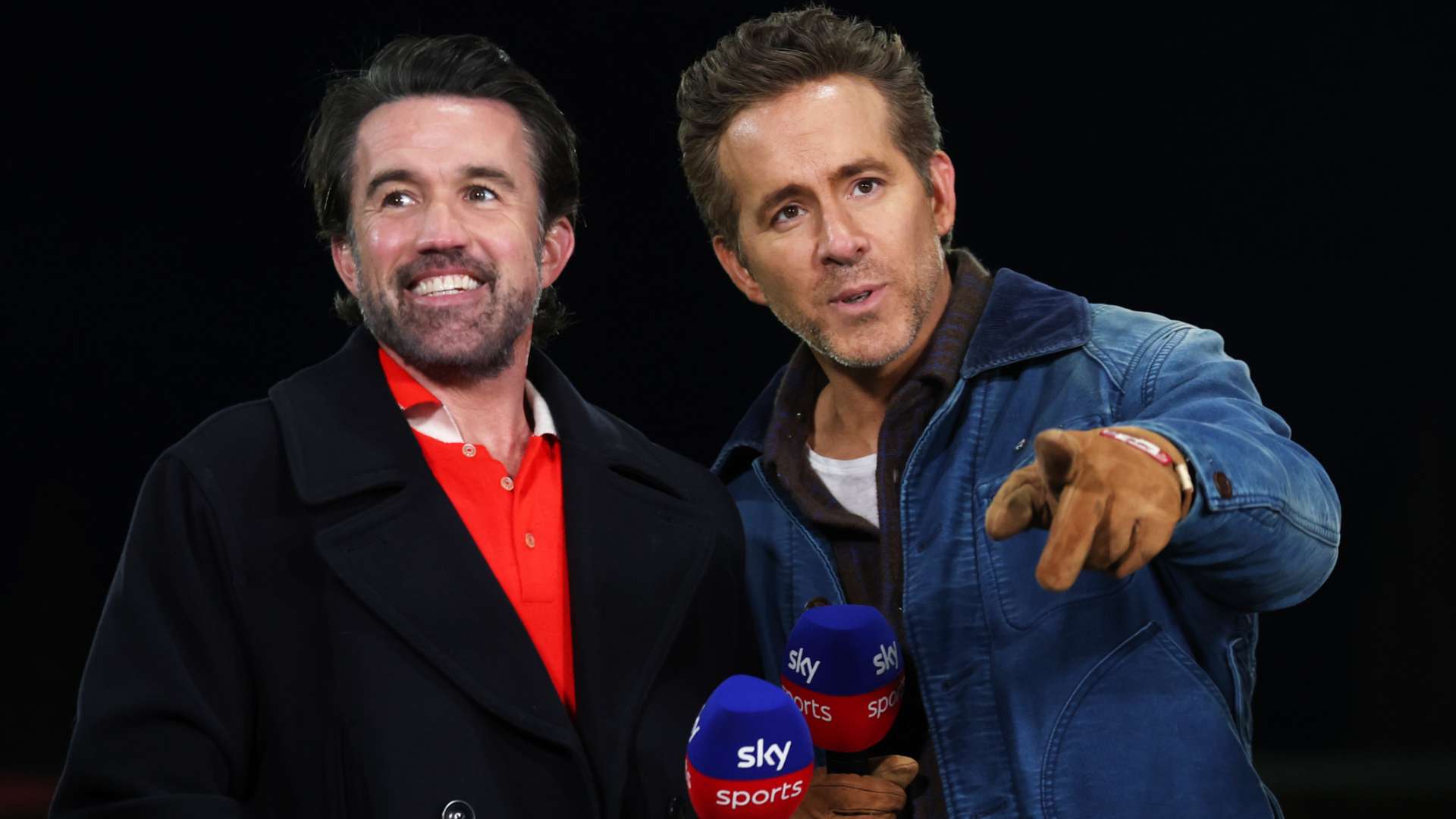
Swansea City has recently raised eyebrows over what they perceive as special treatment being given to Wrexham in their commentary duties by the EFL. The controversy arises from the fact that Hollywood superstars Ryan Reynolds and Rob McElhenney were allowed to provide commentary for a fierce Welsh derby as part of Sky Sports’ coverage.
The incident in question took place during a competitive Championship clash held at the Racecourse Ground on March 13. The decision to allow Reynolds and McElhenney, who are co-owners of Wrexham AFC, to take on commentary duties has sparked criticism from Swansea City and other football stakeholders.
In response to this perceived unfair treatment, Swansea City has expressed their intention to raise concerns with the EFL regarding the matter. The club believes that allowing owners of a competing team to provide commentary for a high-stakes match raises questions about impartiality and fairness in football coverage.
The controversy surrounding Wrexham’s special treatment in commentary duties has reignited discussions about the role of club owners in football media. While it is not uncommon for owners to have a presence in the media, the extent to which they are allowed to influence coverage of matches involving their own team is a subject of ongoing debate.
The issue goes beyond just the immediate concerns raised by Swansea City. It touches upon the broader question of ethics and integrity in football journalism. Fans and stakeholders alike are increasingly calling for greater transparency and accountability in how football is covered by the media.
As the debate continues to unfold, it is crucial for the EFL to address these concerns and ensure that the integrity of the game is upheld. The decisions made regarding commentary duties have a direct impact on how matches are perceived by fans and the wider footballing community.
In light of these developments, it is clear that a more transparent and balanced approach to football coverage is needed. Allowing club owners to provide commentary for matches involving their own team raises legitimate questions about bias and conflicts of interest.
Moving forward, it is essential for football authorities to establish clear guidelines and protocols regarding the involvement of club owners in media coverage. By doing so, they can help maintain the integrity and credibility of the sport while also ensuring that all teams are treated fairly and equitably.
As the debate over Wrexham’s special treatment in commentary duties continues to unfold, it serves as a stark reminder of the importance of upholding ethical standards in football journalism. Fans and stakeholders alike will be watching closely to see how the EFL addresses these concerns and ensures a level playing field for all teams.
The Impact of Club Owners in Football Media
The controversy surrounding Wrexham’s special treatment in commentary duties has shed light on the role of club owners in football media. While it is not uncommon for owners to have a presence in the media, the extent to which they are allowed to influence coverage of matches involving their own team is a subject of ongoing debate. Club owners, especially high-profile individuals like Reynolds and McElhenney, have the potential to sway public opinion and shape the narrative surrounding their teams.
One of the main concerns raised by Swansea City and other critics is the issue of bias and conflicts of interest. Allowing club owners to provide commentary for matches involving their own team raises questions about their ability to remain impartial and provide objective analysis. This can undermine the credibility of the coverage and erode trust in the integrity of the sport.
The Need for Transparency and Accountability
As the debate over Wrexham’s commentary duties continues, there is a growing demand for greater transparency and accountability in football journalism. Fans and stakeholders want to ensure that the coverage of matches is fair, unbiased, and free from undue influence. The EFL and other football authorities must address these concerns and establish clear guidelines to uphold ethical standards in media coverage.
By promoting transparency and accountability, football authorities can help maintain the integrity and credibility of the sport. Clear protocols regarding the involvement of club owners in media coverage can ensure that all teams are treated fairly and that the focus remains on the game itself. This will help build trust among fans and ensure a level playing field for all teams.
The Future of Football Coverage
As the debate over Wrexham’s commentary duties continues, it is clear that a more balanced and transparent approach to football coverage is needed. The involvement of club owners in media duties must be carefully regulated to prevent conflicts of interest and maintain the integrity of the sport. By establishing clear guidelines and protocols, football authorities can ensure that the focus remains on the game and that all teams are given equal treatment in media coverage.
Overall, the controversy surrounding Wrexham’s special treatment in commentary duties serves as a reminder of the importance of upholding ethical standards in football journalism. As the industry continues to evolve, it is essential for football authorities to address these concerns and take proactive steps to ensure fair and unbiased coverage for all teams.