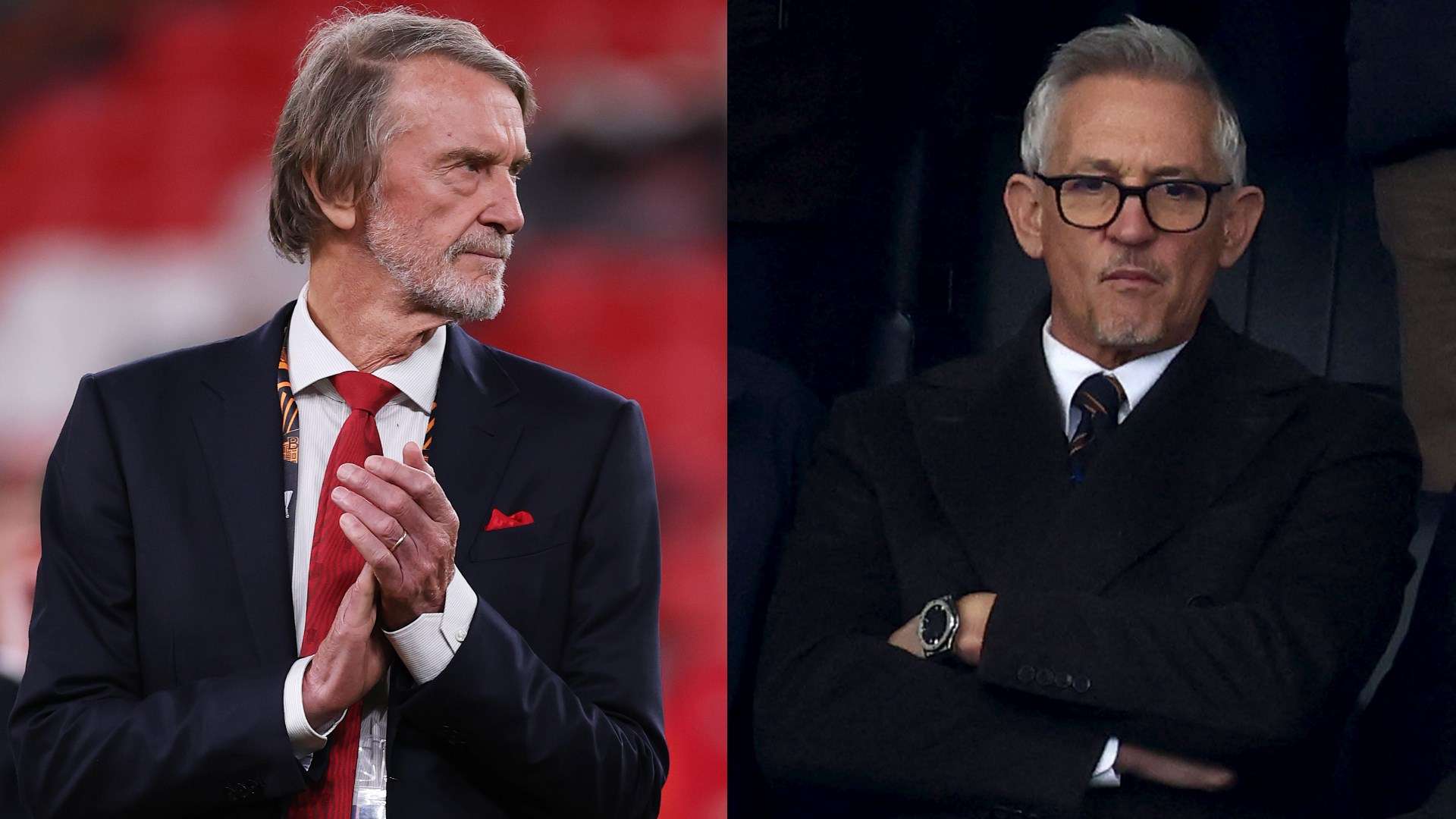

Manchester United co-owner Sir Jim Ratcliffe is facing backlash after making controversial comments during an interview with Sky News. In the interview, Ratcliffe claimed that the United Kingdom had been “colonised by immigrants”, sparking outrage and condemnation from various political figures and public figures.
Following Ratcliffe’s remarks, Prime Minister Sir Keir Starmer and Greater Manchester Mayor Andy Burnham were quick to criticize the billionaire co-owner of one of the world’s most popular football clubs. Starmer called Ratcliffe’s comments “deeply offensive and divisive”, while Burnham emphasized the importance of celebrating diversity and the contributions of immigrants to the UK.
Former England striker Gary Lineker also joined the chorus of criticism, accusing Ratcliffe of “hypocrisy” for his inflammatory remarks. Lineker, a prominent figure in the football community, expressed disappointment in Ratcliffe’s comments and called for unity and respect towards all individuals, regardless of their background.
The controversy surrounding Ratcliffe’s comments has reignited discussions about immigration, diversity, and inclusivity in the UK. The debate has also highlighted the responsibility of public figures and influential individuals in promoting positive and respectful discourse on sensitive issues.
In response to the backlash, Ratcliffe issued a statement clarifying his comments and expressing regret for any offense caused. He emphasized that his remarks were not intended to be discriminatory or inflammatory, but rather a reflection of his concerns about the impact of immigration on certain communities in the UK.
Despite his attempts to clarify his stance, Ratcliffe’s comments have sparked a wider conversation about the role of football club owners in shaping public discourse and promoting social cohesion. As co-owner of Manchester United, one of the most iconic and globally recognized football clubs, Ratcliffe’s words carry significant weight and influence, making his controversial remarks all the more impactful.
The incident has also raised questions about the responsibilities and accountability of individuals in positions of power and influence, particularly in the realm of sports and entertainment. As public figures, football club owners like Ratcliffe have a platform and a voice that can shape public opinion and perceptions, making it essential for them to consider the impact of their words and actions on society.
Moving forward, the debate sparked by Ratcliffe’s comments serves as a reminder of the importance of promoting inclusivity, respect, and understanding in all aspects of society, including the world of football. As fans, players, and stakeholders in the beautiful game, it is crucial to uphold values of unity and diversity, and to reject divisive rhetoric that seeks to undermine the contributions of immigrants and minority communities.
In conclusion, the controversy surrounding Sir Jim Ratcliffe’s comments highlights the need for respectful and constructive dialogue on issues of immigration, diversity, and inclusion in the UK and beyond. Football, as a unifying force that transcends borders and barriers, has the power to bring people together and foster positive change, but it requires the commitment and cooperation of all individuals, including club owners, to promote a more inclusive and harmonious society.
Impact of Sir Jim Ratcliffe’s Controversial Comments on Football
Sir Jim Ratcliffe’s controversial comments have had far-reaching consequences beyond the realm of politics, sparking discussions within the football community about the role of club owners in shaping public discourse. As a co-owner of Manchester United, Ratcliffe’s words carry significant weight and influence, making it imperative for him to be mindful of the impact of his statements on fans, players, and the broader footballing world.
The incident involving Ratcliffe has shed light on the responsibilities and accountability of individuals in positions of power within the sports industry. Football club owners, as prominent figures in the public eye, have a platform that can either promote unity and inclusivity or perpetuate divisiveness and discrimination. Ratcliffe’s remarks serve as a reminder of the need for all stakeholders in football to prioritize values of respect, diversity, and understanding.
In light of this controversy, discussions have emerged about the importance of fostering a welcoming and inclusive environment within football, where individuals from all backgrounds feel valued and respected. The diversity of players, fans, and staff in football reflects the multicultural fabric of society, emphasizing the need for unity and solidarity in the face of divisive rhetoric.
Furthermore, the backlash faced by Ratcliffe underscores the power of words in shaping perceptions and attitudes towards immigration and diversity. Football, as a global phenomenon that transcends borders, has the potential to bridge cultural divides and celebrate the rich tapestry of backgrounds represented within the sport. It is crucial for club owners like Ratcliffe to use their platform to champion inclusivity and reject discrimination in all its forms.
As the footballing world continues to navigate complex social issues, the controversy surrounding Ratcliffe’s comments serves as a call to action for all stakeholders to prioritize empathy, understanding, and respect. By fostering a culture of inclusivity and unity, football can serve as a beacon of positivity and progress, inspiring fans and communities to come together in the spirit of sportsmanship and camaraderie.
In conclusion, the repercussions of Sir Jim Ratcliffe’s remarks extend beyond the initial controversy, prompting reflections on the values and principles that underpin the footballing world. As the sport continues to evolve and adapt to societal changes, it is crucial for all individuals involved in football, including club owners, to uphold the principles of respect, diversity, and unity. By fostering a culture of inclusivity and understanding, football can continue to be a unifying force that transcends boundaries and celebrates the diversity of its global community.