
Al-Hilal vs Al-Ittihad: A Saudi Clasico That Could Reveal the Balance of Power
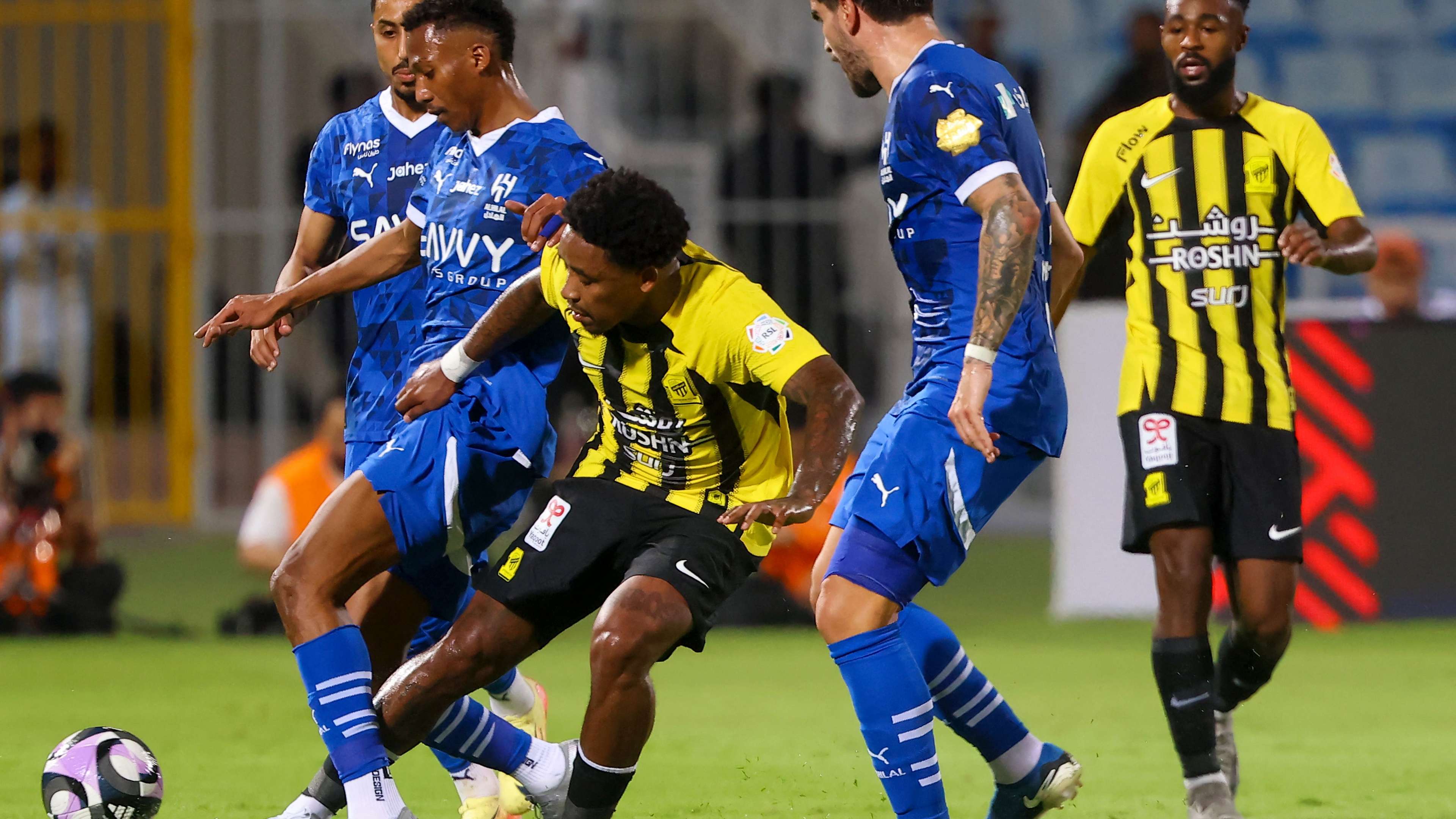
Some football matches are about more than the three points on offer. A meeting between title contenders can expose a team’s strengths, uncover tactical weaknesses and place a coach’s decisions under intense scrutiny. That is the challenge facing Al-Hilal as they prepare to take on Al-Ittihad in a Saudi Clasico with major implications for both clubs.
For Al-Hilal, the fixture is an opportunity to show that they can deliver the commanding performance expected of a side led by Simone Inzaghi. For Al-Ittihad, it is a chance to test the league leaders’ resilience and make the most of any uncertainty in their play. With both teams carrying considerable ambition, the contest promises to be a compelling examination of tactics, temperament and execution.
Al-Ittihad’s Tactical Flexibility Gives Them an Edge
Jens Fiesing has shaped Al-Ittihad into a coordinated and adaptable team. Rather than relying on one fixed formation, the “Dean” can move between a 4-4-2, a 4-2-3-1 and a 4-2-2-2. That flexibility allows the side to respond to different phases of a match without losing its overall structure.
Formation changes alone do not guarantee success, of course. Their value comes from the way Al-Ittihad’s players adjust together. The team can remain compact when defending, then shift quickly into attack once possession is won. That balance makes it difficult for opponents to predict where pressure will come from or how the next move will develop.
Al-Ittihad’s approach is built on collective work. The forwards help initiate the press, the midfielders close passing lanes, and the defenders maintain close distances between the lines. When the team wins the ball, it looks to move forward with purpose rather than allowing the opposition time to regroup.
Fast Transitions Could Test Al-Hilal’s Defence
One of Al-Ittihad’s most dangerous qualities is its ability to turn defensive actions into attacking opportunities. Quick transitions can punish teams that commit too many players forward or leave space behind their midfield. Against an ambitious opponent such as Al-Hilal, timing will be crucial: a misplaced pass or a slow recovery run could give the Dean room to break.
The wide areas may also be important. Al-Ittihad are comfortable using the flanks to stretch a defence, create one-on-one situations and deliver the ball into threatening areas. If Al-Hilal’s full-backs advance, the visitors may look to attack the space they leave behind. If they stay deeper, Al-Ittihad could try to build pressure through patient combinations and overlapping runs.
That creates a tactical dilemma for Inzaghi. His side must find a way to support its own attacking play without leaving the back line exposed. The midfield will have a central role, both in controlling possession and in stopping Al-Ittihad from launching clean counterattacks.
Inzaghi Faces a High-Stakes Test
Al-Hilal enter the clasico with expectations that come with the club’s status and ambitions. Supporters will want to see more than possession or isolated moments of individual quality; they will expect a performance that looks organised, confident and convincing. A major rivalry match is an especially demanding setting in which to prove that a team’s ideas are working.
Inzaghi’s challenge is to make Al-Hilal effective in both directions. The team needs enough attacking presence to trouble Al-Ittihad’s defensive block, but it must also be alert to the danger of losing possession in vulnerable areas. If Al-Hilal’s players become stretched, Al-Ittihad’s pace in transition could turn a promising attack into a defensive emergency.
Al-Hilal’s response after losing the ball may therefore prove as important as their work in possession. A coordinated press could prevent Al-Ittihad from playing forward quickly. But if the pressure is broken, the players behind the first line will need to recover swiftly and protect the spaces between defence and midfield.
Key Areas That Could Decide the Saudi Clasico
Midfield control
The side that manages the central areas more effectively could dictate the rhythm of the match. Al-Hilal may look to use the ball to move Al-Ittihad out of position, while the Dean will want to disrupt that rhythm and turn turnovers into direct attacks. Winning second balls and limiting space around the playmakers could be decisive.
Defensive discipline
Both teams will need to stay compact when the opposition advances. Al-Ittihad’s collective defending is designed to limit gaps, while Al-Hilal must avoid leaving isolated defenders against quick attackers. Concentration will matter throughout the game, especially after set pieces and during moments when one side is pushing for a goal.
Efficiency in the final third
Big matches are often decided by a small number of clear chances. Al-Hilal will need to turn attacking spells into meaningful opportunities, while Al-Ittihad can look to make each transition count. Wasteful finishing could allow the opposition to regain control, whereas one well-timed run or accurate final pass may shift the momentum.
Football Prediction: A Close Contest With Little Margin for Error
This Saudi Clasico is difficult to call because the teams offer contrasting but effective strengths. Al-Hilal have the quality and ambition to control long stretches of the game, yet Al-Ittihad’s organisation, tactical flexibility and speed on the break make them a serious threat. The outcome may depend less on which side has more possession and more on which team handles the decisive moments better.
Prediction: A competitive, tightly contested match is likely, with Al-Ittihad capable of troubling Al-Hilal if they exploit space during transitions. Al-Hilal, meanwhile, will have the tools to win if they maintain defensive balance and show greater conviction in attack. A draw is a reasonable prediction, though the match could swing either way if one side makes an early breakthrough.
Whatever the final score, the fixture should offer a meaningful measure of both teams’ title credentials. For Al-Hilal, it is a chance to answer questions about their performances under Inzaghi. For Al-Ittihad, it is an opportunity to prove that their collective system can challenge the league’s leading side. In a rivalry where tactical detail and emotional intensity often go hand in hand, neither team can afford to lose focus.