
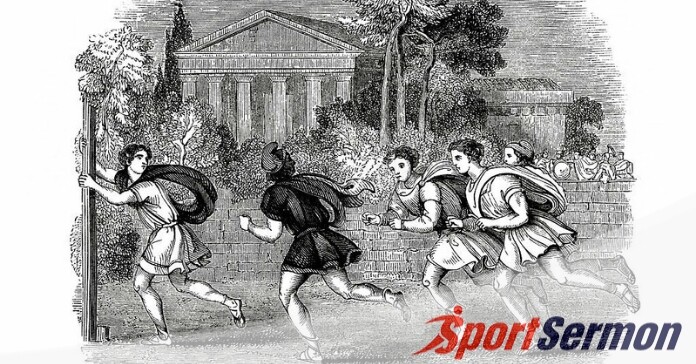

A Glimpse into the Ancient Olympic Games: A Journey from 776 BC to 393 AD
The modern Olympic Games, a grand spectacle of athleticism and international camaraderie, trace their roots back to ancient Greece, where they emerged as a sacred festival honoring the mighty Zeus, the king of the gods. From 776 BC to 393 AD, these games served as a beacon of unity among the Greek city-states, fostering a spirit of competition and celebrating the pinnacle of human physical prowess.
Situated in the western Peloponnese, Olympia, a sanctuary dedicated to Zeus, became the hallowed grounds where the Olympic Games unfolded every four years. As the games gained prominence, Olympia transformed into a bustling hub, drawing athletes, spectators, and merchants from far and wide.
What was the purpose of Olympic Games in Ancient Times?
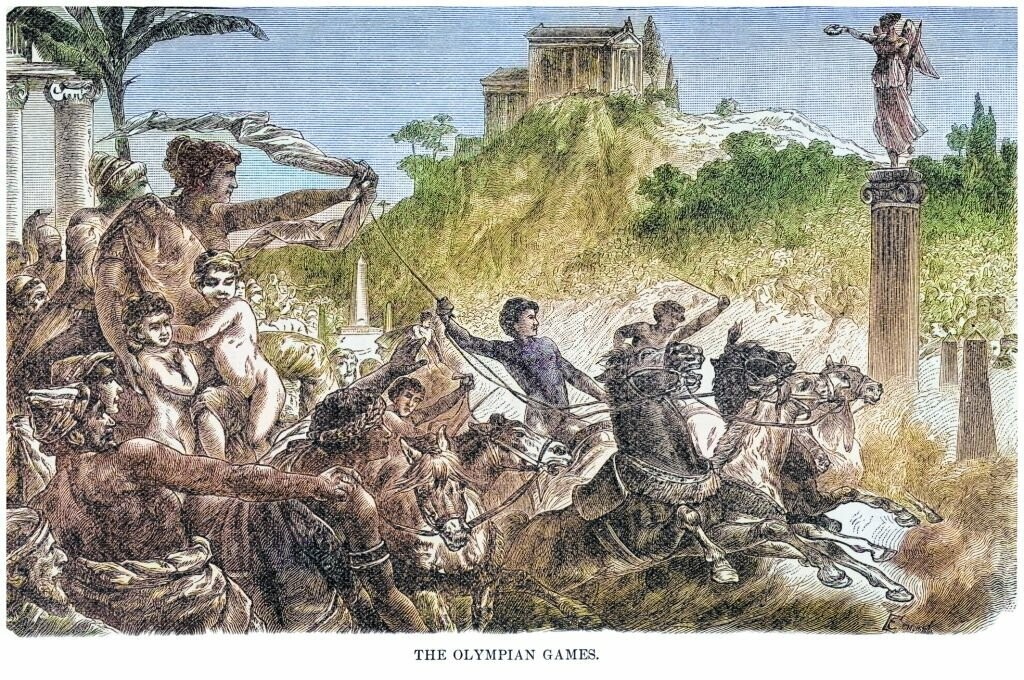
The ancient Olympic Games were more than just a sporting event; they were a deeply religious occasion. Before the games commenced, a truce, known as the ekaikouria, would be declared, temporarily halting all conflicts among the Greek city-states. This sacred truce ensured safe passage for participants and spectators alike.
The games commenced with a grand opening ceremony, where athletes from various Greek city-states paraded through Olympia, pledging their adherence to the rules of fair play and sportsmanship. Sacrifices were offered to Zeus, seeking divine blessings for the proceedings.
What were the games of Olympics?
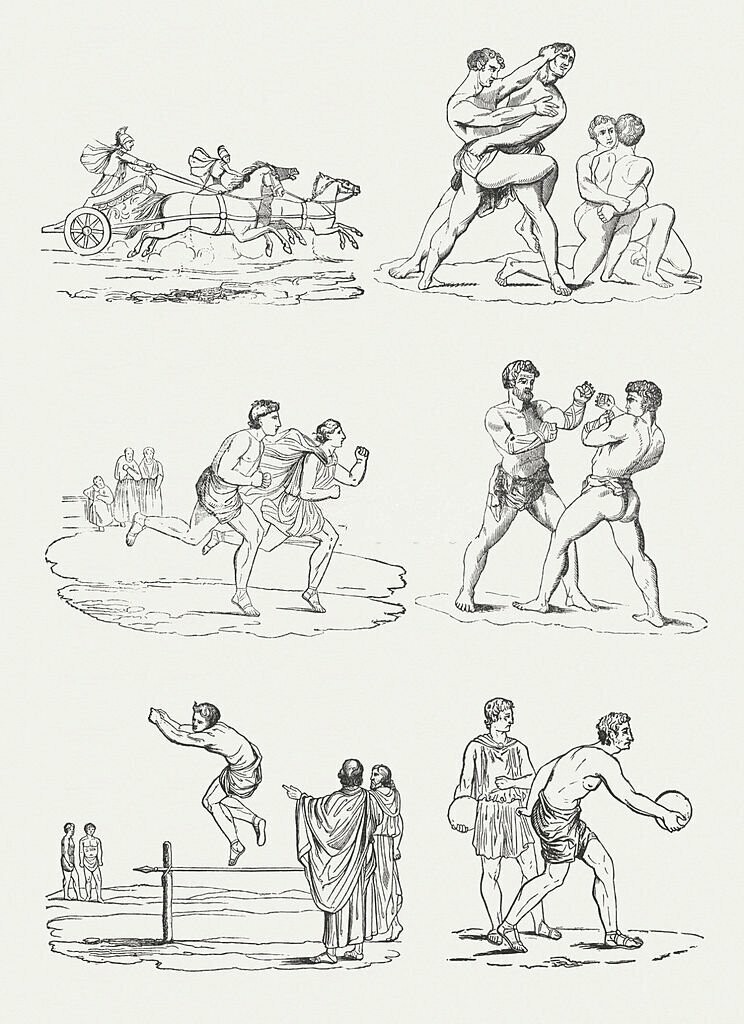
The ancient Olympic Games were different from the modern Olympic Games in several ways. First, they were only open to freeborn Greek males. Second, the games were much less organized and regulated than the modern games. Third, the events were different. The ancient games included running, jumping, throwing, boxing, wrestling, and pankration (a combination of boxing and wrestling).
The ancient Olympic Games initially featured a single event, the stadion, a foot race spanning 600 Greek Olympic feet. Over time, the repertoire of events expanded, encompassing a range of athletic challenges:
Here’s a list of the core athletic events held during the ancient Olympic Games:
Running: The most prominent and oldest event, running competitions included the stadion (a sprint race of approximately 200 meters), diaulos (a double stadion), and dolichos (a long-distance race of approximately 24 stadia).
Jumping: Athletes competed in two jumping events: the long jump, where the goal was to cover the greatest distance in a single leap, and the triple jump, involving a sequence of three jumps.
Throwing: Three throwing events were featured: discus throw, where athletes hurled a heavy disc made of stone or metal; javelin throw, where competitors aimed to throw a spear as far as possible; and shot put, involving the throwing of a heavy stone ball.
Boxing: This combat sport involved punches to the head and body, with the aim of knocking out or disorienting the opponent.
Wrestling: This grappling contest involved various techniques to subdue and pin the opponent to the ground.
Pankration: A brutal and unrestricted form of combat that combined boxing and wrestling. Athletes were allowed to use punches, kicks, throws, and chokes, with the goal of forcing their opponent to submit.
Equestrian Events: These competitions were introduced in the 7th century BC and included chariot racing, with teams of two or four horses, and horse racing with mounted riders.
These events formed the core of the ancient Olympic Games, showcasing the athletic prowess and competitive spirit of the Greek athletes. The games played a significant role in Greek culture, promoting physical fitness, sportsmanship, and a sense of unity among the various city-states.
What did the award with to champions in ancient Olympic games?
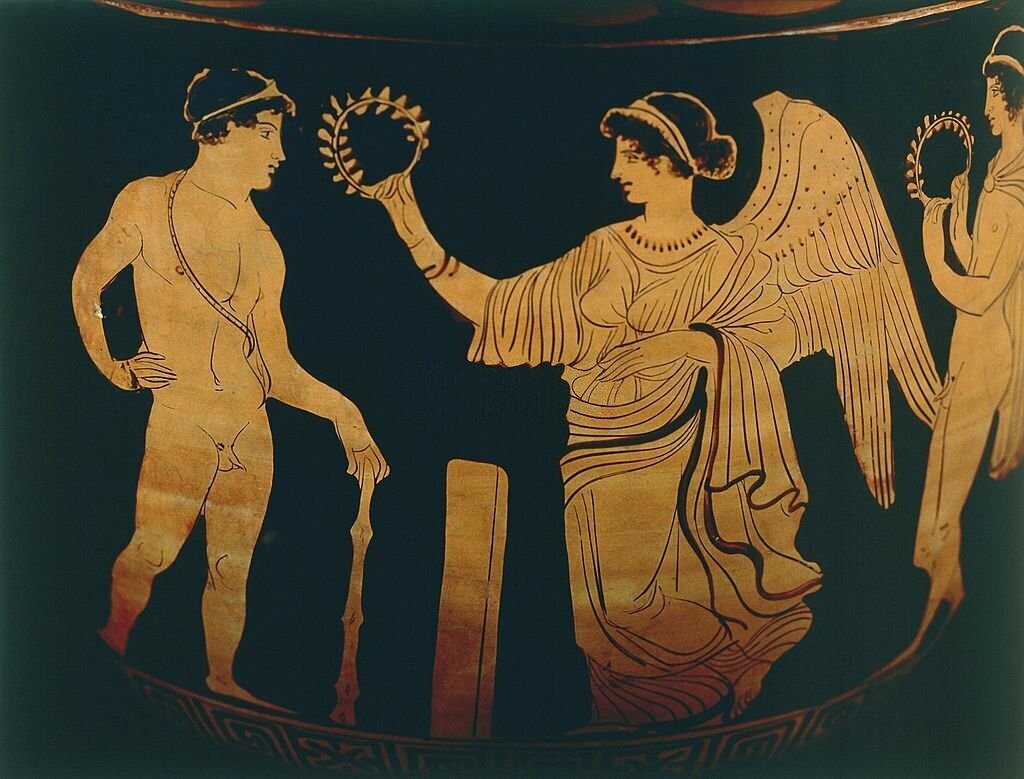
In the ancient Olympic Games, the ultimate honor bestowed upon victors was not a medal or trophy, but a simple yet revered symbol of triumph: the kotinos, an olive wreath woven from the sacred wild olive tree of Olympia.
The kotinos held profound significance in Greek culture. The olive tree was revered as a symbol of peace, wisdom, and victory, and its branches were associated with the gods, particularly Athena, the goddess of wisdom and warfare. Receiving a kotinos signified not only athletic prowess but also divine favor and recognition among one’s peers.
The kotinos was awarded to the sole victor of each event, emphasizing the exclusivity and prestige of achieving Olympic glory. The wreath was placed upon the champion’s head during a special ceremony, and the victor would parade around the stadium, proudly displaying their triumph to the assembled crowds.
Victory in the ancient Olympic Games was not merely a sporting triumph; it carried immense social and cultural significance. Winners, known as Olympionikai, were adorned with crowns of olive leaves, symbolizing their prowess and bringing immense prestige to their home cities. Upon their return, they were hailed as heroes, showered with honors and tax exemptions, and immortalized in the annals of Greek history.
When did these games stopped taking place?
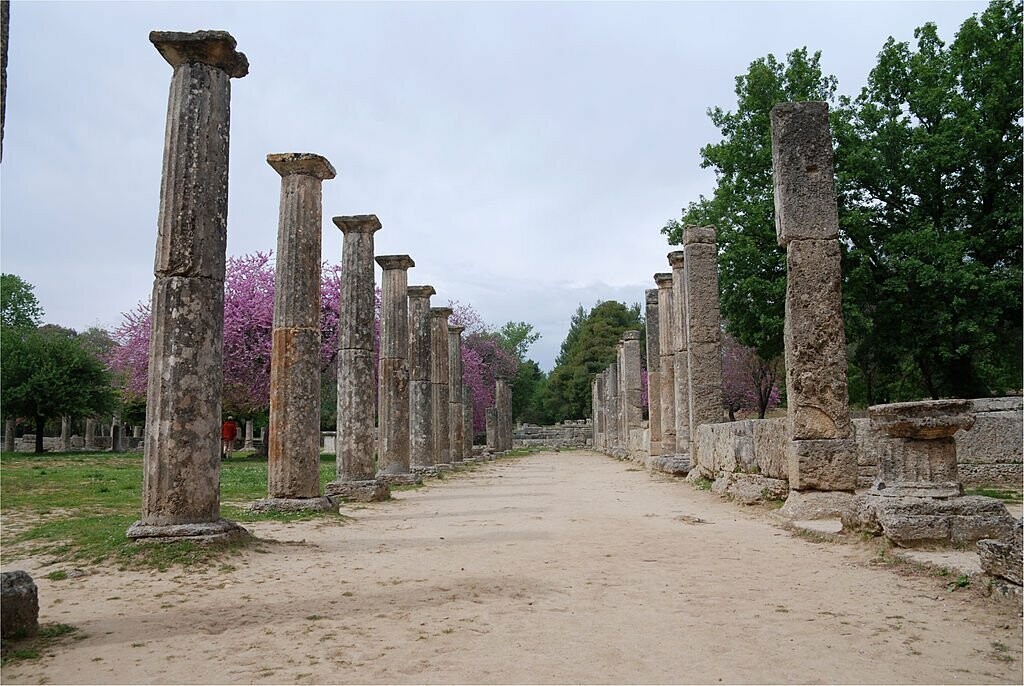
The ancient Olympic Games met their end in 393 AD when Emperor Theodosius I, a staunch Christian, deemed them incompatible with Christian values and banned them. Despite this decree, the games continued sporadically until 426 AD when Emperor Theodosius II officially abolished them.
Although the ancient Olympic Games were revived in Athens in 1896, their legacy from 776 BC to 393 AD remains indelible, shaping the very essence of the modern Olympic Games. The spirit of competition, the pursuit of excellence, and the celebration of human potential, all hallmarks of the ancient games, continue to resonate in the modern era. Natural disasters and invaders plagued Olympia until the Games resurged in Athens in 1896, bridging the ancient and modern chapters of this illustrious sporting legacy.