
## Chirag Shetty Calls for Rule Change in Badminton Matches
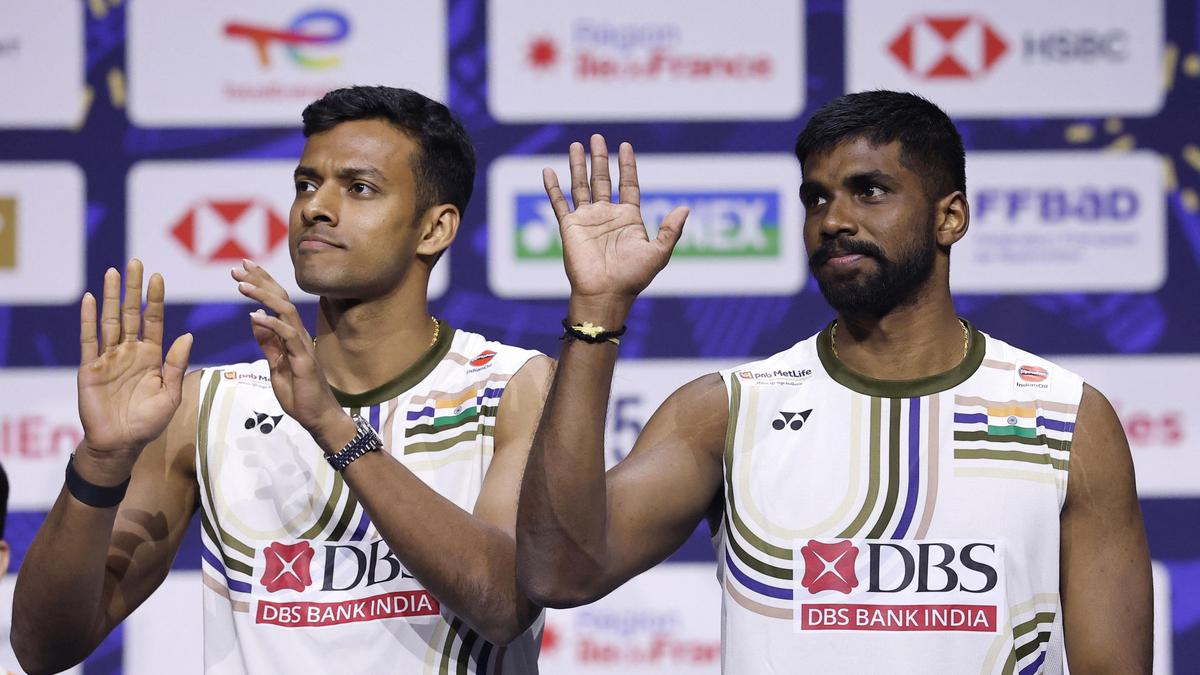
In a recent Thomas Cup tie, Chirag Shetty, India’s top doubles player, found himself sidelined along with partner Satwiksairaj Rankireddy due to an “extraordinary situation” that prevented them from competing. The match order rules for the Thomas Cup meant that no player could compete in two consecutive matches or play doubles before singles. This rule created a unique challenge for Shetty and Rankireddy as the French team’s top singles players also formed their top doubles pair.
### A Missed Opportunity for India
The unfortunate situation unfolded as France secured a 3-0 victory over India in the semifinals, ultimately forcing the reigning 2022 champions to settle for a bronze medal. The French team’s strategy of using singles players in doubles matches proved successful, as they also defeated Japan in a similar manner in the quarterfinals.
### Chirag Shetty’s Perspective
Reflecting on the match, Shetty expressed his frustration at the rule that prevented him and Rankireddy from showcasing their skills. He highlighted the challenge of facing France’s formidable singles players, who dominated the match. Shetty emphasized the need for a rule change to ensure a fairer playing field for all teams.
### Proposed Changes in Badminton Rules
Shetty suggested that at least one doubles match should be included in the first three matches of a tie to provide a more balanced opportunity for teams. He argued that the current format favored teams like France, who relied heavily on their singles players to secure early victories. By incorporating doubles matches earlier in the tie, teams would have a better chance to showcase the full range of their skills and strategies.
### Impact on Players and Spectators
Shetty also considered the impact on players and spectators, noting that the current format limits the viewing experience by focusing solely on singles matches. By introducing doubles matches earlier in the tie, both players and fans would have the opportunity to enjoy a more diverse and engaging competition.
### Looking Ahead
As the badminton community reflects on the challenges faced in the recent Thomas Cup tie, Shetty’s call for a rule change has sparked discussions on how to enhance the format to ensure a fair and competitive environment for all teams. With a focus on promoting a more balanced and dynamic competition, Shetty’s advocacy for rule changes could potentially reshape the future of badminton matches.
In conclusion, Shetty’s experience highlights the need for continuous evaluation and adaptation in sports rules to meet the evolving needs of players and fans. By addressing the challenges faced in the recent Thomas Cup tie, the badminton community can work towards creating a more inclusive and exciting environment for all stakeholders.
## Analyzing the Current Landscape of Badminton Matches
In the world of badminton, the dynamics of doubles matches play a crucial role in shaping the outcome of tournaments. With Chirag Shetty’s recent call for a rule change in badminton matches, it raises important questions about the existing format and its impact on players and spectators. Let’s delve deeper into the significance of doubles matches and how they contribute to the overall excitement of the sport.
### The Strategic Element of Doubles Matches
Doubles matches in badminton require a unique blend of teamwork, coordination, and strategy. Unlike singles matches that rely heavily on individual skill and agility, doubles matches demand synchronized movement, communication, and tactical plays. By including doubles matches earlier in the tie, teams can showcase their ability to strategize and adapt to different playing styles, adding a layer of complexity and excitement to the competition.
### Enhancing the Viewing Experience
From a spectator’s perspective, watching doubles matches can be just as thrilling as singles matches. The fast-paced rallies, quick exchanges at the net, and strategic placements of shots make doubles matches a visual spectacle for fans. By incorporating more doubles matches in the initial stages of a tie, viewers can enjoy a more diverse and captivating viewing experience, creating a well-rounded showcase of badminton skills and teamwork.
### Leveling the Playing Field
One of the key benefits of including doubles matches early in a tie is the potential to level the playing field for teams with strong doubles pairs. By ensuring that doubles specialists like Chirag Shetty and Satwiksairaj Rankireddy have ample opportunities to compete, teams can capitalize on their strengths and challenge opponents on an equal footing. This strategic adjustment can prevent teams from relying solely on singles players to secure victories, promoting a fairer and more competitive environment in badminton tournaments.
### Embracing Innovation in Badminton Rules
As the badminton community navigates the evolving landscape of the sport, it becomes essential to embrace innovation and adaptability in rule changes. By listening to players like Chirag Shetty and considering their insights on improving the format of matches, governing bodies can refine the rules to reflect the changing dynamics of the game. This collaborative approach can lead to a more engaging and inclusive badminton experience for players, fans, and stakeholders alike.
### The Future of Badminton Matches
Looking ahead, the discussions sparked by Chirag Shetty’s advocacy for rule changes signal a potential shift in how badminton matches are structured and presented to audiences worldwide. By prioritizing the integration of doubles matches and promoting a more balanced competition, the future of badminton tournaments holds the promise of greater excitement, strategic depth, and player diversity. As the sport continues to evolve, the voices of players like Shetty will play a pivotal role in shaping the trajectory of badminton matches for generations to come.
In conclusion, the call for rule changes in badminton matches signifies a progressive step towards enhancing the sport’s competitiveness, entertainment value, and overall appeal. By reimagining the format to accommodate the strategic significance of doubles matches, the badminton community can pave the way for a more dynamic and thrilling sporting experience. With a focus on innovation, inclusivity, and player empowerment, the future of badminton matches holds boundless potential for growth and transformation.