
Erling Haaland Invests in Chess Championship
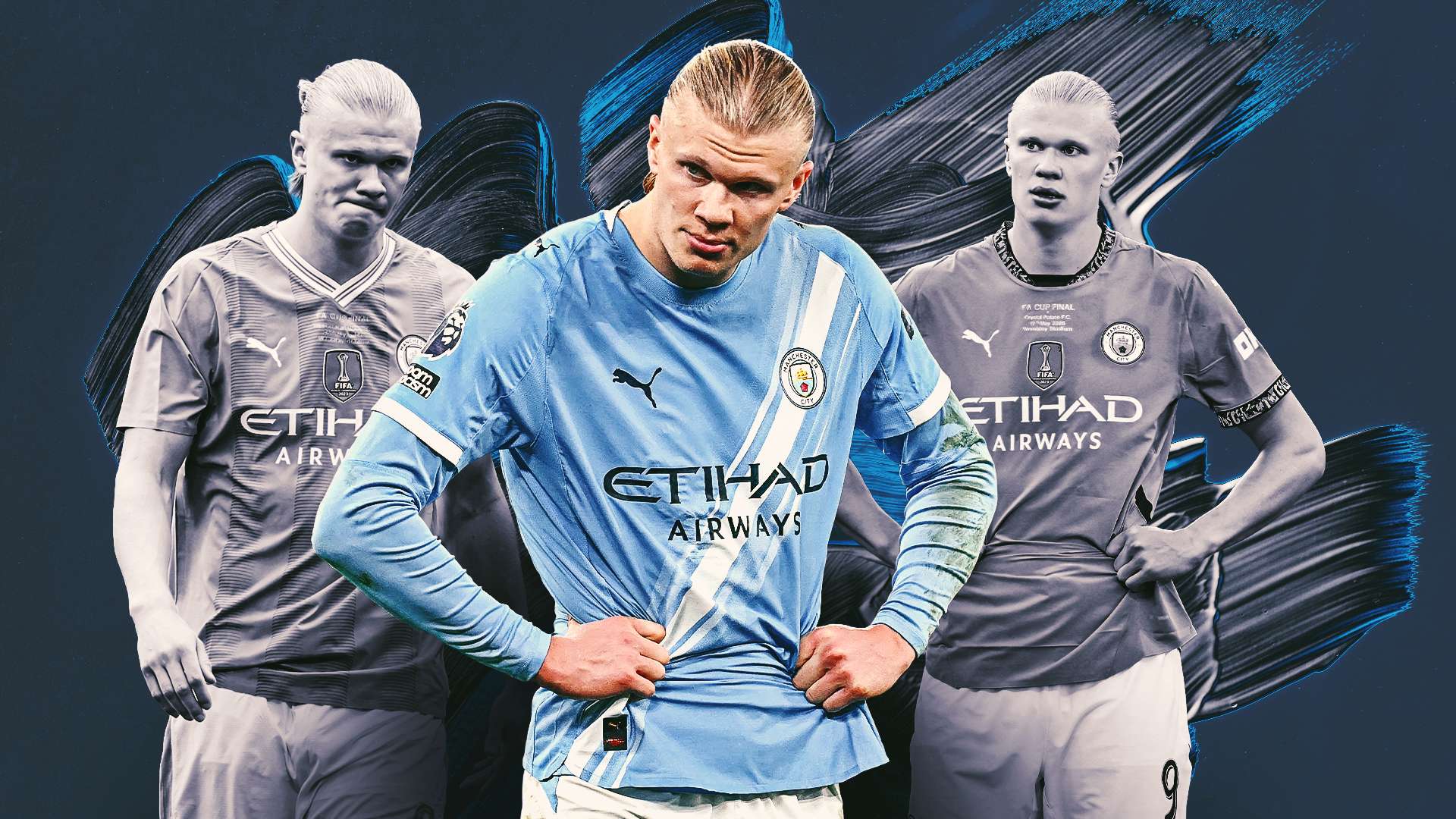
Erling Haaland, the star striker for Manchester City, recently made headlines for his unexpected announcement of investing in the Total Chess World Championship. The football sensation drew parallels between the strategic game of chess and the sport of football, emphasizing the mental agility required in both disciplines.
Haaland expressed his admiration for the game of chess, highlighting its ability to sharpen the mind and improve decision-making skills. “There are clear similarities to football,” he remarked. “You have to think quickly, trust your instincts, and think several moves ahead. Strategy and planning are everything.”
Haaland’s Strategic Mindset
Known for his exceptional goal-scoring abilities and tactical awareness on the football field, Haaland’s investment in the world of chess underscores his commitment to strategic thinking beyond the realm of sports. His decision to support the Total Chess World Championship reflects his belief in the importance of mental acuity and strategic planning in achieving success.
Despite his prowess in football and chess, Haaland’s strategic approach has faced challenges, particularly at one iconic stadium: Wembley. The striker’s performance at Wembley Stadium has been a point of contention, raising questions about his ability to excel under pressure in high-stakes matches.
The Intersection of Football and Chess
As two distinct yet interconnected disciplines, football and chess share common elements that require players to anticipate their opponents’ moves, adapt to changing circumstances, and execute well-thought-out strategies. Both games demand quick thinking, mental agility, and the ability to make split-second decisions that can impact the outcome of a match.
Haaland’s interest in chess not only showcases his diverse range of talents but also emphasizes the importance of mental fortitude and strategic thinking in achieving success in any competitive arena. By investing in the Total Chess World Championship, he is not only expanding his horizons but also recognizing the value of honing his cognitive skills beyond the football pitch.
Looking Ahead
As Haaland continues to make waves in the world of football, his foray into the realm of chess adds another dimension to his multifaceted personality. By embracing the strategic challenges of chess, he is setting a precedent for aspiring athletes to explore new avenues for personal and professional growth.
While Haaland’s performance at Wembley Stadium may have raised eyebrows, his determination to excel in both football and chess is a testament to his unwavering commitment to continuous improvement and excellence. Whether on the football field or at the chessboard, Haaland’s strategic mindset is sure to leave a lasting impact on fans and competitors alike.
Strategic Investments in Chess
Haaland’s decision to invest in the Total Chess World Championship not only showcases his interest in the game but also highlights the growing trend of athletes diversifying their investments beyond their primary sport. By allocating resources to chess, Haaland is demonstrating his understanding of the value of strategic thinking in various aspects of life, not just on the football pitch.
Moreover, Haaland’s investment in chess could potentially open doors for collaborations between the worlds of football and chess. The parallels between the two disciplines could pave the way for unique partnerships, cross-training opportunities, and the exchange of strategic insights that benefit athletes and chess players alike.
The Mental Game of Football
Haaland’s involvement in chess sheds light on the mental aspect of football, emphasizing the importance of psychological resilience, decision-making under pressure, and strategic thinking in high-stakes situations. By engaging with chess, Haaland is honing his mental acuity, which can translate into improved performance on the football field.
The mental game of football is often overlooked, with the focus primarily on physical abilities and technical skills. However, top athletes like Haaland recognize that a strong mindset is a crucial factor in achieving success and sustaining peak performance over the course of a demanding season.
The Influence of Role Models
Haaland’s decision to invest in the Total Chess World Championship could inspire young athletes to broaden their horizons and explore interests outside of their primary sport. By showcasing his passion for chess, Haaland is setting an example for aspiring athletes to embrace diverse interests, cultivate a well-rounded mindset, and seek opportunities for personal growth beyond athletic achievements.
Role models like Haaland play a significant role in shaping the aspirations and behaviors of the next generation of athletes. By demonstrating his commitment to strategic thinking and mental resilience through his investment in chess, Haaland is contributing to a culture of holistic development and lifelong learning within the sports community.
Embracing New Challenges
Haaland’s venture into the world of chess reflects his willingness to step out of his comfort zone, take on new challenges, and push the boundaries of his capabilities. By embracing the complexities of chess, Haaland is expanding his cognitive skills, enhancing his problem-solving abilities, and preparing himself for success in diverse arenas.
As Haaland navigates the intricate strategies of chess, he is not only enriching his own skill set but also inspiring others to embrace unfamiliar territories, embrace intellectual challenges, and pursue personal growth outside of their established domains.
In conclusion, Erling Haaland’s investment in the Total Chess World Championship symbolizes his commitment to strategic thinking, mental agility, and continuous improvement. By bridging the worlds of football and chess, Haaland is not only expanding his own horizons but also transforming the way we perceive the intersection of sports and strategic thinking. His journey serves as a testament to the power of diversification, the value of mental fortitude, and the endless possibilities that come with embracing new challenges.