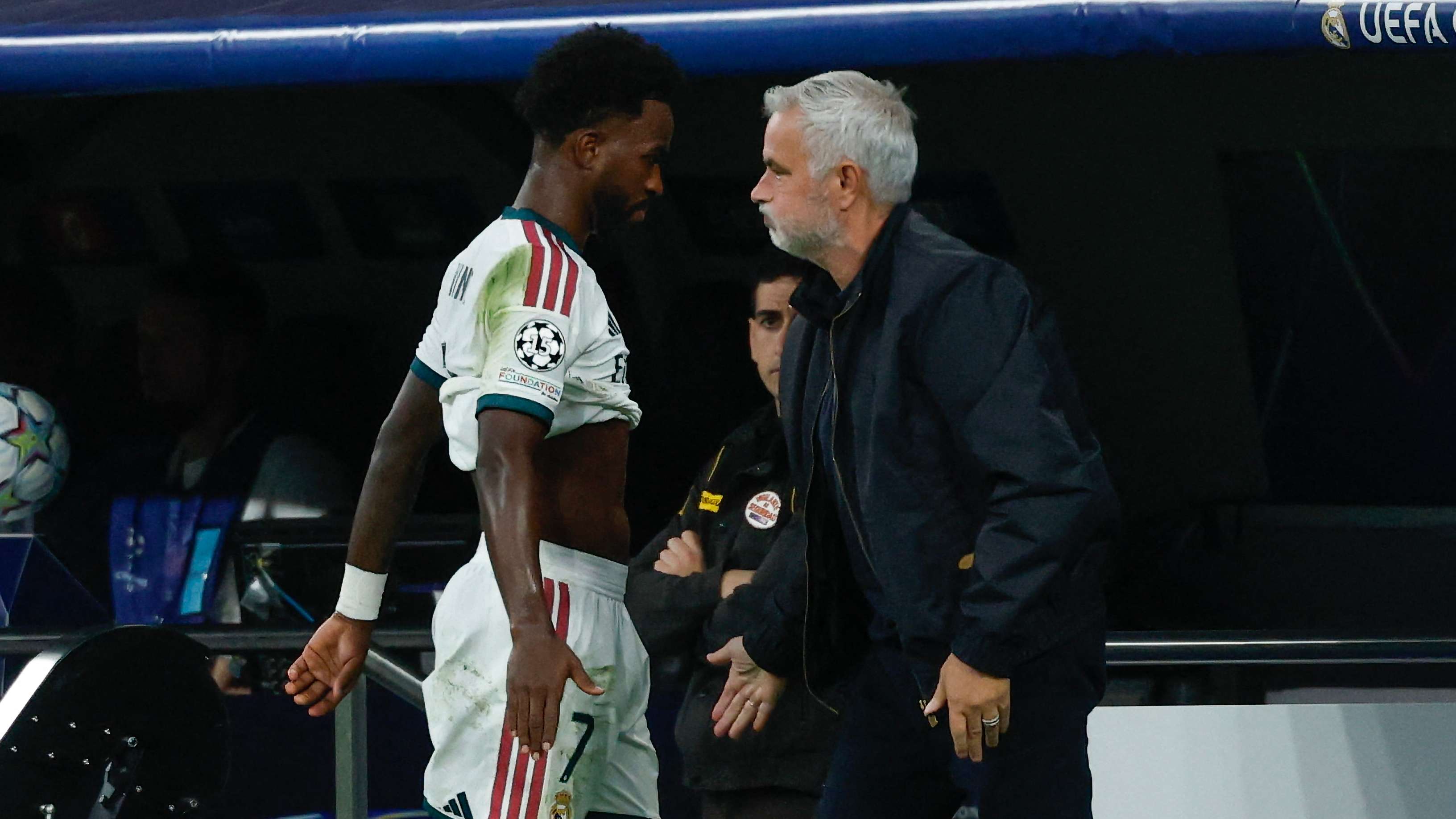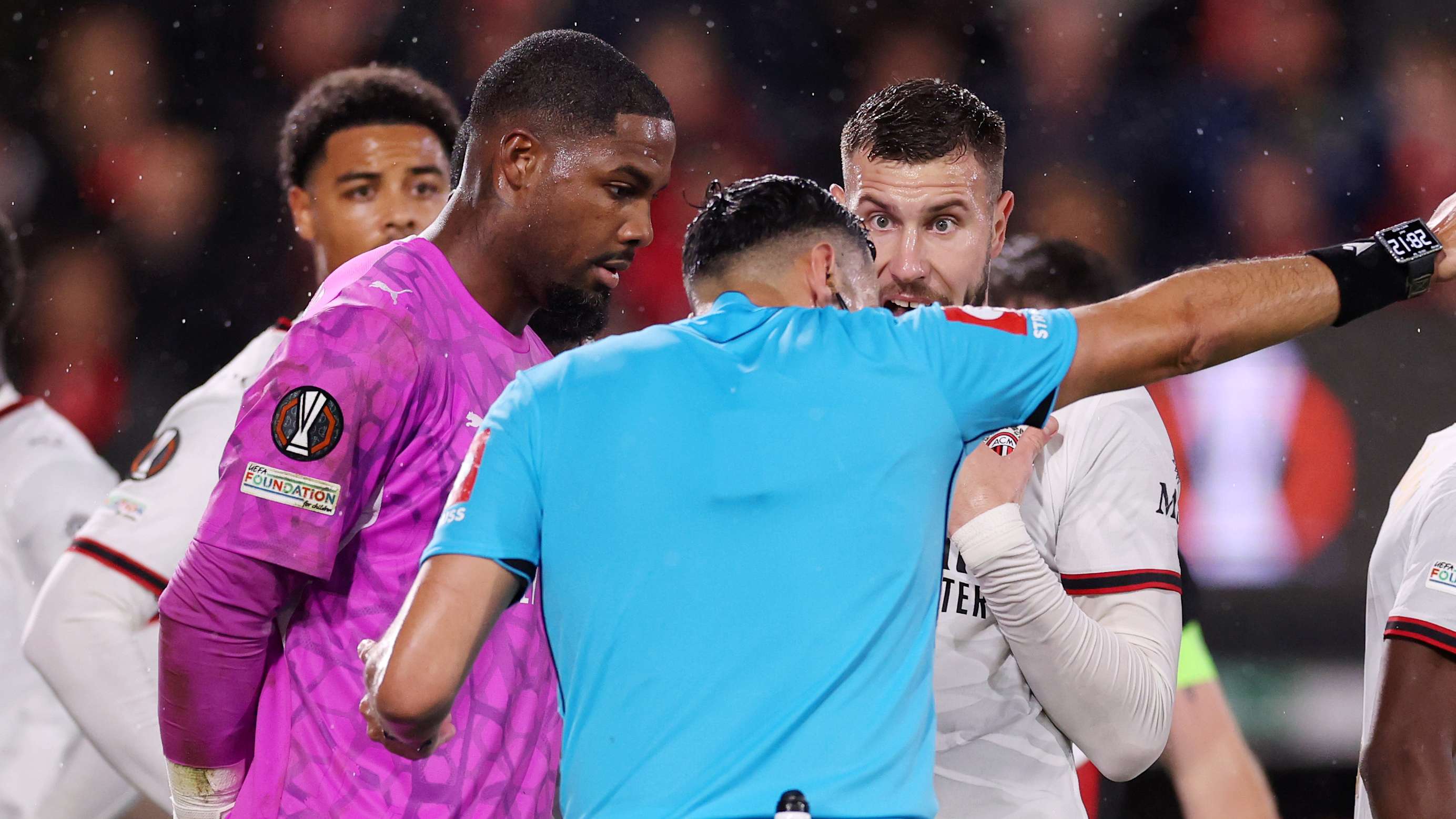

Louis van Gaal criticises expanded Champions League format and calls for change
Former Bayern Munich and Netherlands coach Louis van Gaal has launched a strong criticism of UEFA’s Champions League, arguing that the competition’s expanded format prioritises revenue and volume over sporting quality. Speaking to Dutch broadcaster NOS, the 75-year-old questioned whether the tournament still consistently brings together Europe’s strongest teams and warned that a crowded schedule is increasing the pressure on players.
Van Gaal’s comments renew a debate that has followed the Champions League since its 2024/25 revamp. The competition now features 36 clubs in a single league phase, replacing the traditional groups of four. While the new structure has introduced more opponents and additional fixtures, critics say it has also made the route to the knockout rounds harder to follow and added to an already demanding football calendar.
Van Gaal says the Champions League should feature the best
“It is ridiculous that UEFA has come up with a competition format like this,” Van Gaal said on NOS. He argued that the tournament’s name sets a clear expectation: it should be a showcase for the best teams in European football. In his view, widening participation risks creating larger differences in ability between clubs and producing matches that are less balanced.
Van Gaal said a more selective competition could raise the standard of play. If teams were closer in quality, he suggested, matches might feature fewer one-sided scorelines and more sustained tactical competition. His argument is not simply that high-scoring games are undesirable; rather, he believes spectators are better served by contests in which both sides can challenge each other across the full 90 minutes.
That view contrasts with UEFA’s case for expansion. A larger league phase gives more clubs the opportunity to compete on the Champions League stage and creates fresh fixtures for supporters. It can also offer teams from a wider range of countries greater exposure and valuable experience. The challenge for the governing body is balancing that broader access with the elite status and competitive consistency that have helped make the tournament football’s most prominent club competition.
A league-phase format with more matches
Under the current format, each of the 36 clubs plays eight league-phase matches against different opponents, rather than contesting six games in a four-team group. The teams are placed in one overall standings table, with their results determining who advances directly to the round of 16 and who must navigate a play-off round for a place in the knockout stage.
The revised structure was designed to create more varied matchups and keep more clubs in contention for longer. It has also increased the number of games played before the knockout rounds begin. For teams that finish outside the automatic qualification places, the play-offs add another hurdle—and more fixtures—to a season already packed with domestic league, cup and international commitments.
For supporters, the format can make the race for qualification compelling, particularly as clubs face opponents they might not have met in the old group stage. However, a longer competition also raises practical questions. More matches mean more travel, less recovery time and a greater risk that leading players will be unavailable through fatigue or injury. Those concerns are especially relevant for clubs competing across several tournaments at once.
Van Gaal proposes divisions based on playing strength
As an alternative, Van Gaal suggested organising European competitions into divisions based on team strength, drawing a comparison with the tiered structure used in ice hockey. His proposal would separate clubs into levels—such as an A class and a B class—rather than placing a broad range of teams in one expanded Champions League league phase.
In principle, a tiered system could create more consistently competitive fixtures and clearer pathways between levels. Clubs would compete against teams closer to their current standard, while strong performances could potentially provide a route into a higher division. Such a model might also give supporters a more predictable sense of what each competition represents.
There would be difficult questions to resolve, however. UEFA would need to decide how clubs qualify for each tier, how promotion or relegation would work and whether the system could preserve access for teams from smaller leagues. A structure designed only around current playing strength could entrench the advantage of wealthy clubs, while a system based on sporting results would need careful rules to maintain fairness across different domestic competitions.
Van Gaal also criticised what he sees as UEFA’s reliance on the Europa League and Conference League as answers to concerns about Champions League access. Those tournaments provide important European opportunities for clubs outside the top tier, but he argued that their existence does not remove the need to protect the quality of the Champions League itself.
Player workload and injury concerns
The former Netherlands manager’s criticism extends beyond the competition’s format to the number of matches professional footballers are expected to play. He linked the expanded league phase to a heavier workload and said the growing schedule contributes to injuries. His concern reflects a wider discussion among players, coaches and medical staff about whether elite football allows enough time for recovery.
Injury risk is influenced by many factors, including playing intensity, travel, training load and individual recovery. Still, a calendar with more club fixtures can reduce the space available for rest, particularly for players who also represent their national teams. When key footballers are sidelined, the impact reaches beyond individual clubs: it can affect competition quality, national-team selection and the spectacle supporters pay to watch.
Van Gaal said he had raised similar concerns with UEFA years ago but felt his warnings were not taken seriously. His proposed solution is to place greater emphasis on the quality of matches rather than simply increasing their number. Whether UEFA revisits the format remains uncertain, but the debate is likely to continue as clubs manage the demands of an expanding football calendar.
What the debate means for the Champions League
The disagreement highlights a central question for European football: should the Champions League prioritise wider participation and more fixtures, or a tighter field intended to maximise competitive intensity? There is no simple answer. Expansion can create new opportunities and compelling matchups, but it can also intensify workload concerns and make the competition’s identity harder to define.
For fans looking ahead to future seasons, any prediction about further changes should be treated cautiously. UEFA must weigh commercial interests, sporting merit, player welfare and the appeal of the tournament to supporters across Europe. Van Gaal’s intervention adds a prominent coaching voice to that discussion—and challenges football’s governing body to show that growth can strengthen the Champions League without sacrificing the quality that made it special.