
Chess Players Express Frustration Over Scheduling Conflict Between Grand Chess Tour and Esports World Cup
Seven of the world’s top chess players have come together to address a pressing issue in the chess world – a scheduling conflict between the prestigious Grand Chess Tour and the Esports World Cup. The conflict, set to take place in August, has sparked concerns among players regarding their ability to participate in both events.
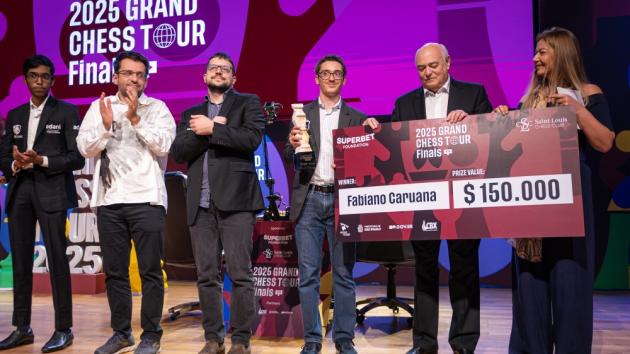
The Grand Chess Tour, established in 2015, has become a highlight on the chess calendar, attracting the best players from around the globe. With a combination of classical and speed chess events, the tour offers a total prize fund of $2 million for its six tournaments, with the Sinquefield Cup boasting a minimum of $350,000 prize money.
On the other hand, the Esports World Cup has quickly emerged as a significant player in the world of speed chess since its inception in 2025. With a prize fund of $1.55 million and a $250,000 first prize, the EWC has become a lucrative opportunity for top players to showcase their skills.
The Conflict:
This year, the Esports World Cup is scheduled to take place in Riyadh, Saudi Arabia, with the Last Chance Qualifier set for August 6-8 and the Main Event scheduled for August 11-15. Meanwhile, the Grand Chess Tour’s Saint Louis events are confirmed for July 31-August 28, with the Sinquefield Cup overlapping with the EWC Main event from August 8-21.
This clash has put players in a tough spot, with the seven signatories of the open letter expressing their disappointment over having to choose between two major tournaments. They highlighted the importance of both events on the chess calendar and emphasized the need for better coordination to allow players to compete in both competitions.
Call for Dialogue:
In their letter, the players refrained from criticizing either event and instead called for renewed dialogue and efforts to find solutions that would enable them to participate in both tournaments. They raised concerns about conflicting commitments, competitive integrity, and the impact on fans of not having the strongest possible fields in both events.
While the Grand Chess Tour defended its schedule, stating their long-standing August dates and the planning behind the 2026 tour, the Esports World Cup has not issued a public statement on the matter. The issue highlights the challenges faced by organizers in coordinating dates across a growing professional chess calendar.
Future Challenges:
The scheduling conflict between the Grand Chess Tour and the Esports World Cup is not the only hurdle on the horizon for chess organizers. The upcoming U.S. Chess Championship in Saint Louis (October 10-24) is also set to overlap with the Total Chess World Championship (October 3-15), potentially forcing players to make difficult choices once again.
As the chess world navigates these challenges, players, organizers, and fans alike hope for better coordination and communication to ensure that top players can participate in major events without having to sacrifice opportunities to showcase their skills on the global stage.
The Players’ Dilemma:
For many chess players, the conflict between the Grand Chess Tour and the Esports World Cup presents a challenging decision. On one hand, the Grand Chess Tour offers a prestigious platform with substantial prize money and a chance to compete against the best in the world. On the other hand, the Esports World Cup provides an exciting opportunity to showcase speed chess skills and potentially earn a significant cash prize.
Players such as Magnus Carlsen, Fabiano Caruana, and Hikaru Nakamura find themselves torn between two major tournaments that they would ideally like to participate in. This dilemma not only affects their competitive aspirations but also their ability to balance their schedules and commitments effectively.
The Impact on Fans:
From a fan’s perspective, the scheduling conflict between the Grand Chess Tour and the Esports World Cup raises concerns about the overall quality of competition in both events. Fans look forward to seeing top players face off against each other in intense battles that showcase the beauty and complexity of chess.
If players are forced to choose between tournaments, it could potentially weaken the field in one or both events, leading to less exciting matches and diminished viewer engagement. Fans who follow both the Grand Chess Tour and the Esports World Cup may feel disappointed at missing out on seeing their favorite players compete due to scheduling conflicts.
The Need for Collaboration:
As the chess world grapples with scheduling challenges, there is a growing recognition of the need for greater collaboration and communication among tournament organizers. By working together to coordinate dates and avoid conflicts, organizers can create a more harmonious calendar that benefits players, fans, and the overall growth of the sport.
Finding ways to address scheduling conflicts without compromising the integrity and competitiveness of tournaments is essential for the long-term success of professional chess. Players should not have to sacrifice opportunities to participate in major events due to overlapping schedules, and fans should be able to enjoy high-quality competitions throughout the year.
The Path Forward:
As the chess community grapples with the current scheduling conflict between the Grand Chess Tour and the Esports World Cup, there is an opportunity for stakeholders to come together and find solutions that work for everyone involved. By engaging in constructive dialogue and exploring alternative scheduling options, organizers can ensure that players have the opportunity to showcase their talents on a global stage without facing unnecessary obstacles.
Ultimately, the goal is to create a chess calendar that allows players to compete at the highest level, fans to enjoy thrilling matches, and organizers to promote the growth and popularity of the sport. With collaboration, creativity, and a shared commitment to the future of chess, the challenges posed by scheduling conflicts can be overcome, leading to a brighter and more inclusive future for the game we all love.