
Allegations of Racist Abuse Mar Tyne-Wear Derby
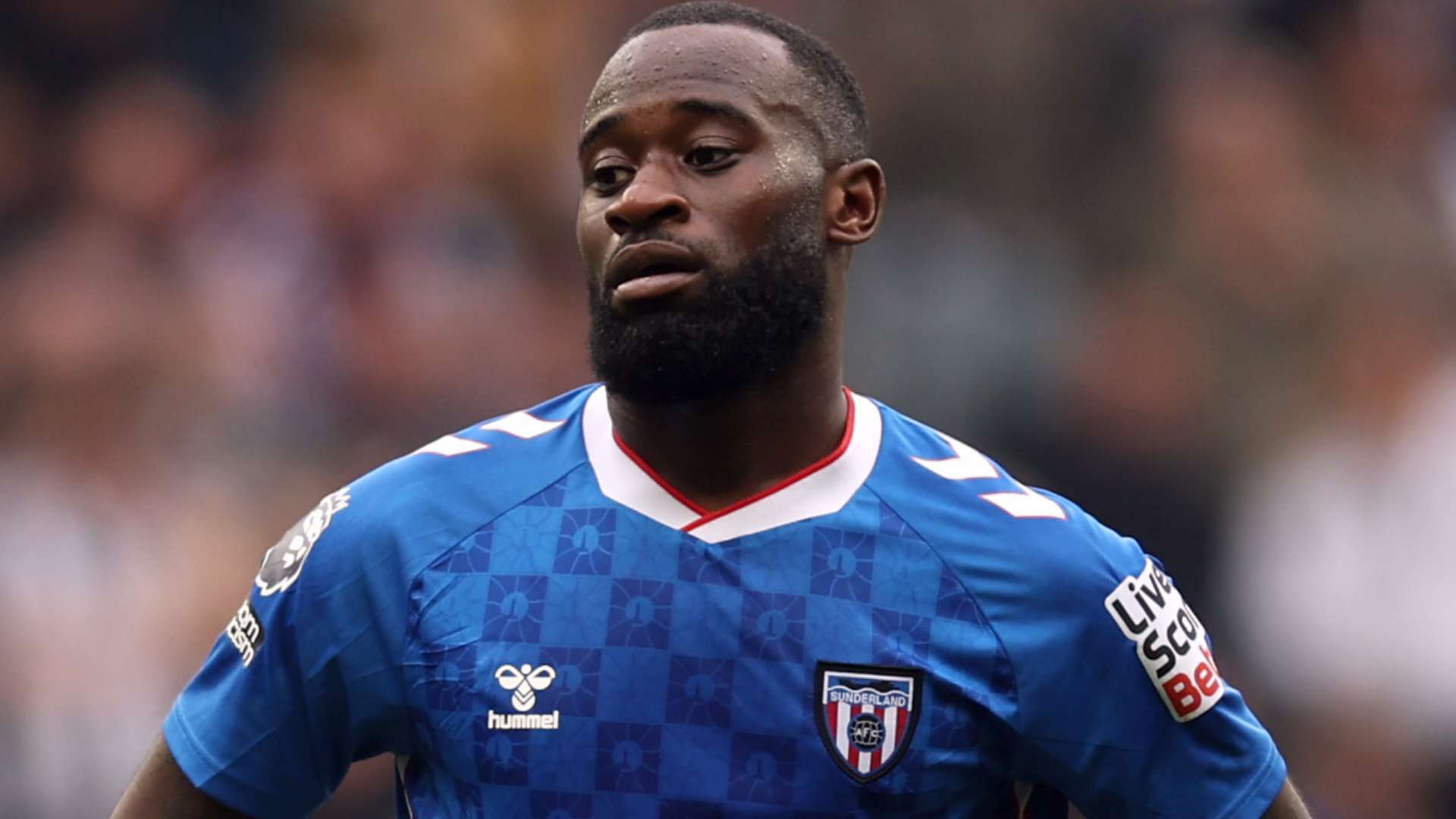
The highly anticipated Tyne-Wear derby between Newcastle United and Sunderland took a disturbing turn during the latest match when allegations of racist abuse surfaced. The game was abruptly halted early in the second half as Sunderland defender Lutsharel Geertruida was reportedly targeted with discriminatory taunts from the crowd.
Lutsharel Geertruida, a talented Netherlands international, found himself at the center of a distressing incident as he faced racial abuse from certain individuals in the stands. The incident shed light on the persistent issue of racism in football and sparked outrage among fans, players, and officials alike.
Immediate Action and Investigation
The referee quickly intervened as soon as the allegations came to light, pausing the game to address the situation. Both teams were escorted off the pitch as officials scrambled to investigate the claims and ensure the safety and well-being of the players.
Authorities have launched a thorough investigation into the incident, with a focus on identifying those responsible for the racist abuse directed at Lutsharel Geertruida. The football community has united in condemning such behavior and calling for strict action against any perpetrators found guilty of engaging in discriminatory acts.
Impact on the Players and Fans
The distressing incident has had a profound impact on both the players and the fans involved in the Tyne-Wear derby. Lutsharel Geertruida, in particular, has been left shaken by the experience, highlighting the emotional toll that such incidents can have on individuals targeted by racism.
Players from both teams have come together in solidarity to support Geertruida and denounce any form of discrimination in the sport. The incident has also sparked conversations among fans about the need for stricter measures to combat racism in football and ensure a safe and inclusive environment for all players and spectators.
Call for Change and Awareness
The Tyne-Wear derby incident serves as a stark reminder of the ongoing challenges faced in tackling racism in football. Calls for greater awareness, education, and consequences for those perpetrating hate speech have grown louder in the wake of this troubling event.
Football authorities, clubs, and fans must work together to create a culture of respect and inclusivity within the sport. By standing united against racism and discrimination, the football community can send a clear message that such behavior will not be tolerated on or off the pitch.
In conclusion, the allegations of racist abuse during the Tyne-Wear derby have cast a shadow over the sport, emphasizing the urgent need for change and accountability. As investigations continue and conversations around racism in football gain momentum, it is crucial for all stakeholders to take a stand against discrimination and work towards a future where the beautiful game is truly welcoming to all.
Effects of Racism in Football
Racism in football not only affects the targeted players but also has a broader impact on the entire sport. It tarnishes the reputation of clubs, leagues, and the sport as a whole, leading to a loss of credibility and respect. Fans who witness such incidents may feel disillusioned and disheartened, affecting their passion for the game.
Furthermore, racism can hinder the development and progress of talented players from diverse backgrounds. When players face discrimination, it can have a detrimental effect on their performance, mental health, and overall well-being. This not only stifles their potential but also deprives the sport of valuable talent and diversity.
Global Efforts to Combat Racism
The issue of racism in football is not limited to a specific region or league—it is a global concern that requires unified action. Various organizations, including FIFA, UEFA, and national football associations, have implemented initiatives to address racism and promote diversity within the sport.
Campaigns such as “No Room for Racism” and “Kick It Out” aim to raise awareness, educate stakeholders, and encourage reporting of discriminatory behavior. These efforts play a crucial role in challenging stereotypes, fostering inclusivity, and creating a more welcoming environment for all individuals involved in football.
Player Advocacy and Leadership
Football players have increasingly used their platforms to speak out against racism and advocate for change. Many high-profile athletes have taken a stand against discrimination, using their influence to amplify important messages of tolerance and unity.
By showcasing solidarity and support for their fellow players, football stars help shift the narrative around racism in the sport. Their leadership inspires fans, officials, and organizations to prioritize anti-discrimination efforts and work towards a future where football is truly a sport for everyone.
Education and Awareness Initiatives
Education is a powerful tool in combatting racism in football. By promoting diversity training, cultural awareness programs, and anti-racism workshops, clubs and associations can equip players, staff, and fans with the knowledge and skills needed to challenge discriminatory attitudes and behaviors.
Increasing awareness about the impact of racism and the importance of inclusivity is key to fostering a more tolerant and respectful football community. Through ongoing education and dialogue, the sport can continue to progress towards a future free from discrimination and prejudice.
As the football world grapples with the aftermath of the Tyne-Wear derby incident, it is evident that addressing racism requires a collective effort and unwavering commitment from all stakeholders. By working together to promote equality, diversity, and respect, football can become a beacon of inclusivity and unity for fans and players alike.