
Global Football in Turmoil: UEFA and CONCACAF Demand Fifa Release $2.1 Billion Amidst Power Struggle
In an unprecedented turn of events that has sent shockwaves through the world of football, two of the sport’s most influential confederations—UEFA (Union of European Football Associations) and CONCACAF (Confederation of North, Central American and Caribbean Association Football)—have jointly launched a bold demand for Fifa to release a staggering $2.1 billion from its massive cash reserves. This move signifies a major civil war at the pinnacle of international football governance, with profound implications for the future of the sport and its development worldwide.
The Roots of the Conflict: Power, Funding, and Development
At the heart of this intense dispute lies a simple yet critical issue: financial transparency and equitable distribution of resources. UEFA and CONCACAF, representing some of the most football-rich regions in the world, have expressed deep concern over Fifa’s financial management and the allocation of its substantial reserves. The two confederations argue that the current distribution of funds fails to adequately support the grassroots, infrastructure, and development programs crucial for nurturing future football stars and expanding the sport’s reach.
Historically, Fifa has amassed billions in reserves, largely thanks to lucrative broadcasting rights, sponsorship deals, and the commercial success of tournaments like the FIFA World Cup. However, critics have questioned whether these funds are being used effectively, especially in emerging football markets that lack basic infrastructure such as quality stadiums, training facilities, and youth academies. UEFA and CONCACAF contend that a significant portion of these reserves should be redirected to support underfunded associations, ensuring a more balanced and sustainable growth of the sport globally.
The Bold Move: Direct Communication with Gianni Infantino
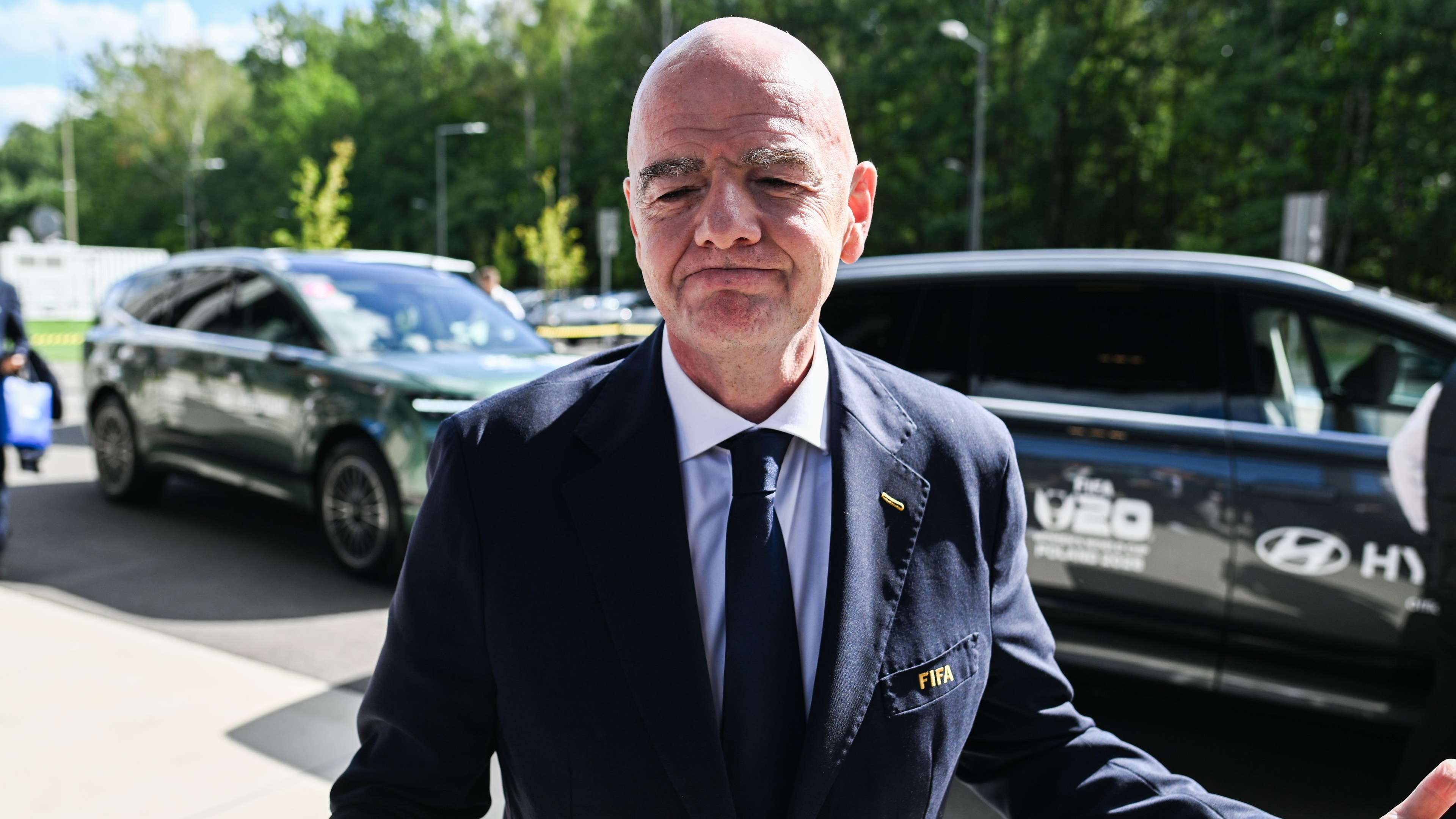
In a clear display of unity and resolve, UEFA and CONCACAF have taken the unusual step of writing a joint letter directly to Fifa President Gianni Infantino. The letter demands that Fifa releases at least $10 million to each of its 211 member associations—an ambitious call aimed at bolstering grassroots programs, infrastructure development, and youth initiatives worldwide.
This move marks a significant escalation in the ongoing debate over financial priorities within international football governance. By addressing the Fifa president directly, UEFA and CONCACAF are signaling their seriousness and willingness to challenge the status quo—a stark contrast to previous diplomatic approaches that often avoided confrontation.
Implications for the Future of Football and Predictions on the Game’s Development
This power struggle has far-reaching consequences for the future of football, especially when considering the sport’s global prediction as a catalyst for social change and economic development. The allocation of funds and the governance of football’s governing bodies will likely influence the trajectory of the sport in emerging markets, impacting everything from local leagues to international competitions.
For football fans and industry insiders alike, this crisis raises questions about transparency, leadership, and the equitable distribution of wealth created through the sport’s global popularity. Will Fifa heed the call and release the requested funds? Or will this financial standoff lead to broader reforms within the organization?
Expert Insights: What the Industry Is Saying
Football analysts and industry experts have weighed in on this unfolding controversy. Many believe that UEFA and CONCACAF’s unified stance could serve as a catalyst for much-needed reform within Fifa’s financial operations. Some predict that this confrontation might accelerate efforts to overhaul governance structures, promote more transparent financial practices, and prioritize development programs in underrepresented regions.
Others caution, however, that such disputes could temporarily destabilize international football competitions and affect upcoming tournaments, including World Cup preparations. The prediction remains uncertain, but what is clear is that the sport stands at a crossroads—one that could redefine how football’s riches are managed and distributed globally.
Historical Context: A Pattern of Financial Controversies
This recent civil war echoes previous financial controversies within Fifa, including scandals surrounding corruption, misappropriation of funds, and allegations of mismanagement. While reforms have been attempted in the past, the persistent conflicts reveal a need for more comprehensive transparency and accountability.
As the sport continues to grow exponentially, particularly in Africa, Asia, and North America, the importance of equitable resource distribution becomes even more critical. Ensuring that every football association, regardless of geographical location, has access to sufficient funding can not only improve the quality of the game but also serve as a powerful tool for social cohesion and community development.
The Road Ahead: What Can We Expect?
Looking ahead, the ongoing dispute between UEFA, CONCACAF, and Fifa could lead to several possible outcomes:
- Compromise and Reconciliation: Fifa may agree to release the funds, possibly with conditions aimed at increased transparency and accountability.
- Reform and Restructuring: The controversy might catalyze broader reforms within Fifa, including changes in leadership, governance, and financial management practices.
- Further Escalation: If negotiations falter, the conflict could deepen, potentially impacting upcoming international fixtures and tournaments.
In any scenario, the prediction is that the global football community will closely monitor developments, knowing that the outcome will influence the sport’s trajectory for years to come.
The Significance for Football Fans and the Global Game
For football enthusiasts worldwide, especially those passionate about prediction markets and betting, this story underscores the unpredictable nature of the sport’s governance. Financial stability and transparent management directly impact the quality of competitions, player development, and the overall excitement of the game.
As the world’s most popular sport continues to unite millions of fans across continents, ensuring fair and equitable distribution of resources is essential for maintaining the integrity and appeal of football. The current crisis, while challenging, also presents an opportunity for positive change—one that could lead to a more inclusive and sustainable future for the beautiful game.
Conclusion: A Turning Point in Global Football Governance
The confrontation between UEFA, CONCACAF, and Fifa marks a pivotal moment in the history of football. With the demand for a massive $2.1 billion release from Fifa’s reserves, the sport’s leading confederations are asserting their rights to influence how the game’s wealth is managed. This civil war at the top of world football not only highlights the ongoing struggles over power and resources but also underscores the importance of transparent governance in ensuring the sport’s continued growth and global appeal.
As fans, players, and stakeholders await Fifa’s response, one thing is clear: the future of football depends on how this financial dispute unfolds. Will the sport’s governing bodies choose unity and fairness? Or will this crisis deepen, leading to further uncertainty? The prediction remains open, but the stakes could not be higher for the beautiful game that unites us all.