
UEFA and Liverpool Investigate Advertising Hoarding Incident Involving Noa Lang
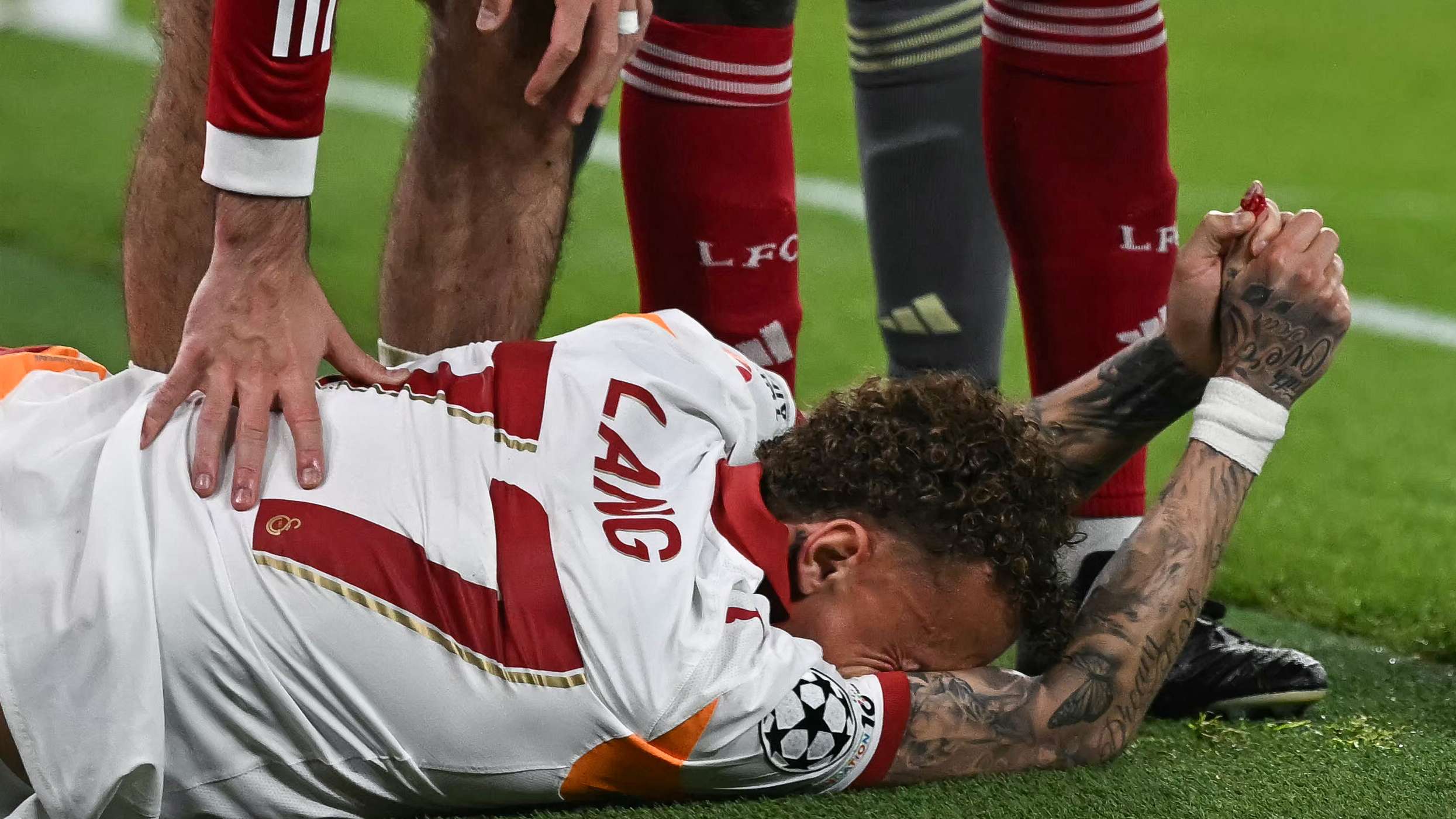
UEFA and Liverpool Football Club have launched a joint investigation into the unfortunate incident involving Noa Lang during Galatasaray’s Champions League match at Anfield on Wednesday night. The Dutch winger sustained a serious injury to his right thumb after colliding with the advertising hoarding, which led to him requiring surgery. The incident has raised concerns about player safety and the design of pitchside advertising boards.
Noa Lang’s Injury
Noa Lang, a key player for Galatasaray, was involved in a collision with the advertising hoarding in the latter stages of the match against Liverpool. The impact of the collision caused Lang to suffer a severe injury to his right thumb, leading to him being stretchered off the pitch and requiring immediate medical attention. The seriousness of the injury resulted in Lang undergoing surgery to address the damage caused by the incident.
The incident has sparked discussions about the safety measures in place for players during matches, particularly regarding the proximity of advertising hoardings to the playing surface. It has also raised questions about the responsibility of clubs and governing bodies in ensuring the well-being of players during competitive games.
UEFA and Liverpool’s Response
In response to the incident, UEFA and Liverpool have initiated an investigation to determine the circumstances that led to Noa Lang’s injury. The focus of the investigation is on the design and placement of the advertising hoarding at Anfield, as well as the protocols in place for player safety during matches. Both organizations are committed to ensuring the highest standards of safety for players and will take appropriate action based on the findings of the investigation.
UEFA and Liverpool have expressed their concern for Noa Lang’s well-being and have offered their support to the player and Galatasaray during this difficult time. The incident has highlighted the importance of prioritizing player safety in football and the need for continuous evaluation and improvement of safety measures in stadiums.
Implications for Player Safety in Football
The incident involving Noa Lang has sparked a broader conversation about player safety in football and the potential risks associated with the design of pitchside advertising boards. While advertising hoardings are a common feature in football stadiums, incidents like this serve as a reminder of the importance of ensuring the safety of players during matches.
Clubs, governing bodies, and stadium officials must work together to review and enhance safety protocols to minimize the risk of similar incidents occurring in the future. The incident involving Noa Lang serves as a wake-up call for the football community to prioritize player safety and take proactive measures to prevent injuries on the pitch.
In conclusion, the investigation into the advertising hoarding incident involving Noa Lang represents a significant step towards improving player safety in football. By addressing the factors that contributed to the injury and implementing necessary changes, UEFA, Liverpool, and other stakeholders in football can demonstrate their commitment to protecting players and ensuring a safe environment for competitive matches.
Impact of Noa Lang’s Injury on Galatasaray
The injury to Noa Lang not only affects the player himself but also has significant implications for his club, Galatasaray. Lang, who has been a key player for the team, will now be sidelined due to the injury sustained during the Champions League match. This absence may impact Galatasaray’s performance on the pitch, as they will have to adjust their tactics and lineup without one of their star players.
Furthermore, the emotional toll of seeing a teammate suffer a serious injury can also affect the morale and motivation of the rest of the team. Galatasaray will need to rally together to support Lang during his recovery and find ways to compensate for his absence on the field. The incident serves as a reminder of the physical risks that football players face in every match and highlights the need for clubs to have contingency plans in place for such situations.
Lessons Learned in Player Safety
The incident involving Noa Lang has brought to light the importance of constantly reevaluating and improving safety measures in football. While injuries are a part of the game, steps can be taken to minimize the risk and severity of such incidents. This includes not only reviewing the design and placement of advertising hoardings but also ensuring that medical personnel and equipment are readily available to respond to emergencies on the pitch.
Clubs and governing bodies should also prioritize player education on how to protect themselves during matches and be aware of potential hazards on the field. By fostering a culture of safety and awareness, the football community can work towards reducing the number of preventable injuries and creating a safer environment for players at all levels of the game.
Future of Player Safety in Football
Moving forward, the incident involving Noa Lang will likely lead to increased scrutiny and discussions about player safety in football. Clubs, leagues, and organizations will need to collaborate to implement changes that prioritize the well-being of players without compromising the integrity and excitement of the game. This may involve reassessing stadium infrastructure, updating safety protocols, and investing in technology that can help prevent injuries on the pitch.
By learning from incidents like the one involving Noa Lang, the football community can make strides towards creating a safer and more secure environment for players to compete in. The joint investigation by UEFA and Liverpool serves as a proactive step in this direction, signaling a commitment to learning from past incidents and taking concrete actions to protect players in the future.
In conclusion, the incident involving Noa Lang has sparked important conversations about player safety in football and highlighted the need for continuous improvement in safety measures. By addressing the root causes of injuries and working collaboratively to implement changes, the football community can ensure that players are better protected on the pitch and that incidents like this are minimized in the future.