
Atlético Madrid vs. Real Madrid: A Fierce Derby Ignites Fan Rivalry and Political Tensions
The highly anticipated football match between Atlético Madrid and Real Madrid, two of Spain’s most storied clubs, unfolded amidst a wave of intense emotions, political statements, and passionate fan reactions. Held at the iconic Wanda Metropolitano stadium on Sunday, this seventh round fixture of La Liga was more than just a battle on the pitch—it became a symbol of deeper social and political issues that continue to resonate in Spanish society today. As fans filled the stadium, the atmosphere was charged with anticipation, but also with undertones of controversy that overshadowed the game itself.
Pre-Match Tensions and Fan Demonstrations
In the moments leading up to kickoff, Atlético Madrid supporters made their voices heard loud and clear. Among the most striking displays was a provocative banner unfurled by the home fans that read: “Ceuta is part of Spain, we do not hide it or downplay it.” This banner was more than mere fan banter; it was a direct political statement addressing the ongoing crisis in Ceuta, a Spanish enclave on the North African coast, which has been a focal point of migration issues, security concerns, and debates over sovereignty.
The supporters’ message aimed to reaffirm Spain’s territorial integrity and to criticize any perceived attempts to diminish the significance of Ceuta within the national context. This act of political expression added a layer of complexity to the football match, transforming it into a platform for broader societal debates.
Targeted Player Jeering and Fan Reactions
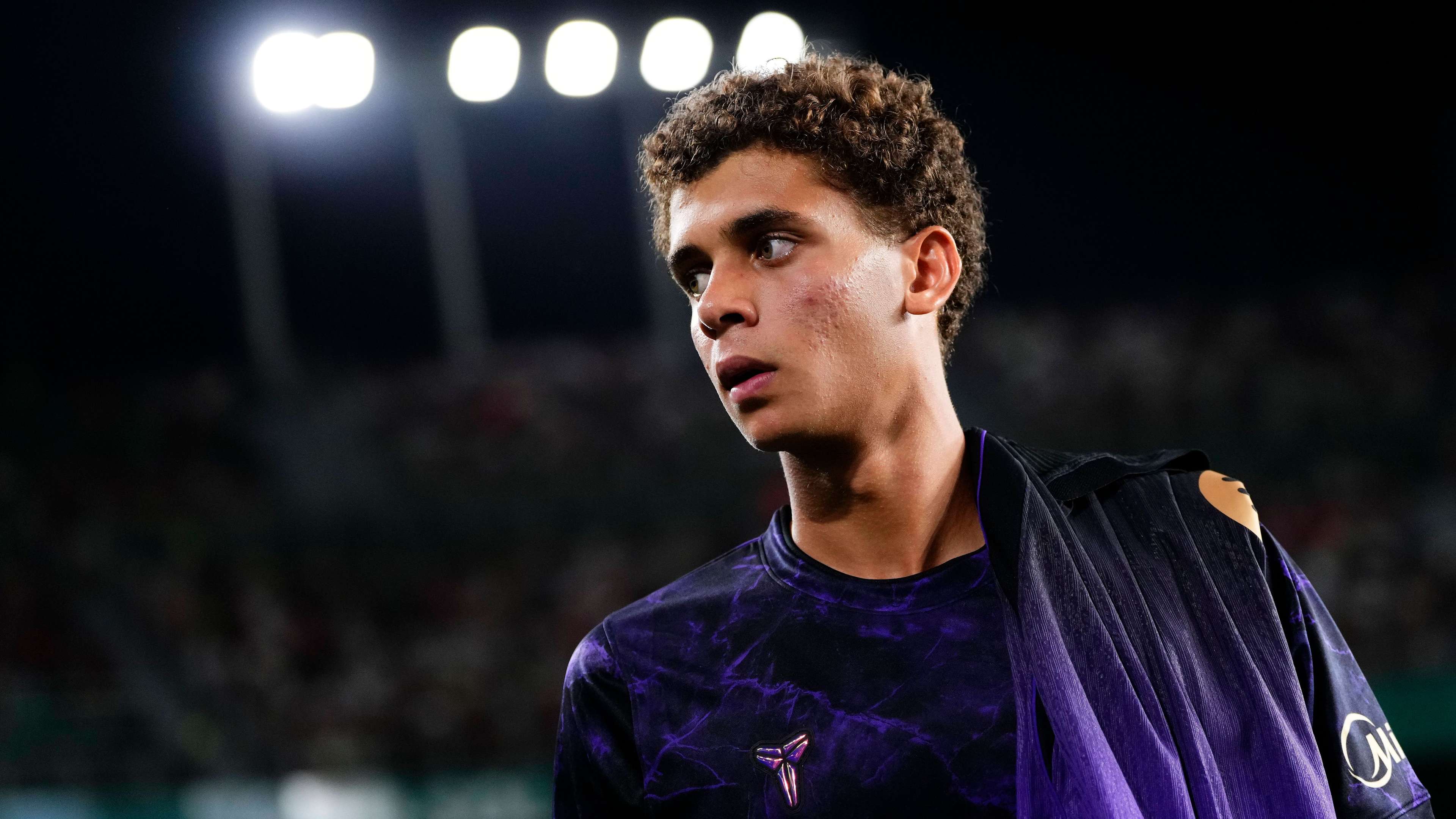
The pre-match atmosphere was further intensified by the vocal disapproval directed at specific players, notably Julián Álvarez, a substitute for Atlético Madrid. According to reports from Foot Mercato, Álvarez was subjected to relentless jeering from the Wanda Metropolitano crowd during the moments before kick-off. This kind of hostile reception is not uncommon in high-stakes football matches but highlights the passionate, sometimes volatile nature of fan engagement in Spain’s top league.
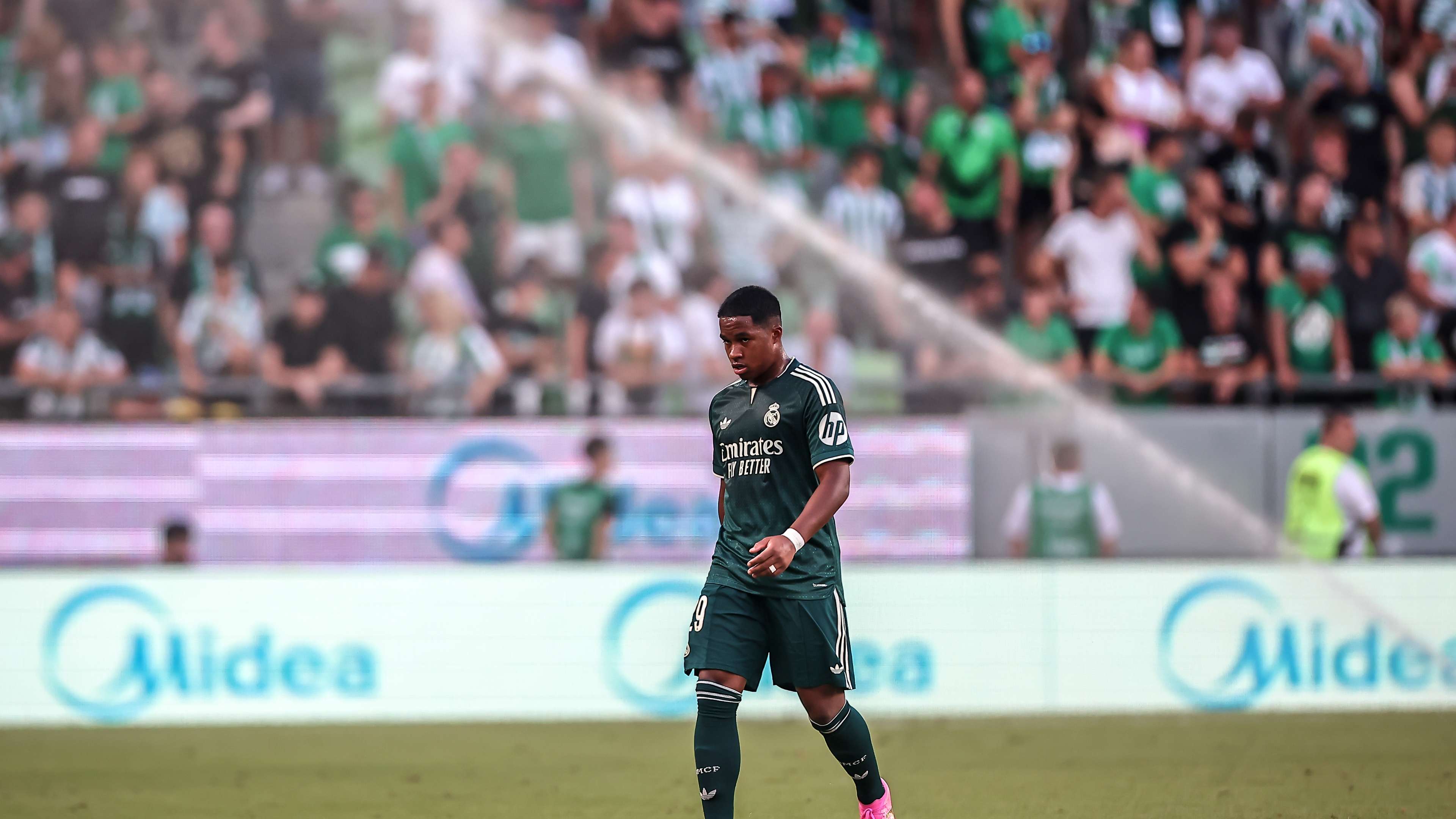
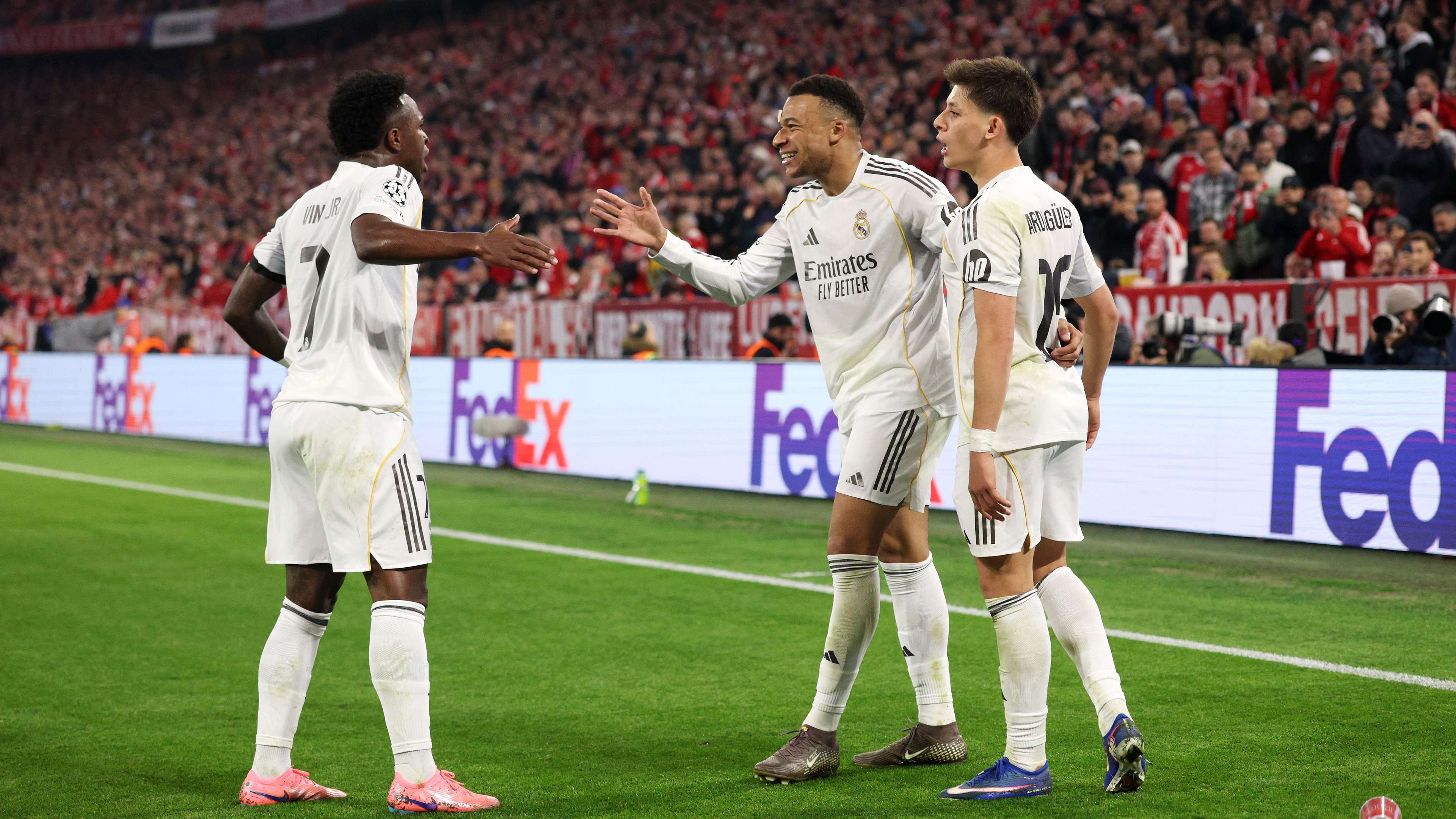
However, the hostility didn’t end there. As the game approached, Atlético supporters also directed their frustration towards two of Real Madrid’s star players—Vinícius Júnior and Kylian Mbappé. Both players have been central figures in their respective teams’ recent successes, but this match saw them become targets of protest from the home fans.
The Political Dimension: Solidarity and Protest
The protest took a symbolic form when fans displayed a banner supporting Spain’s stance on Ceuta. The banner explicitly declared: “Ceuta is part of Spain, we do not hide it or downplay it.” This was a clear message of national pride and territorial assertion amidst ongoing political debates surrounding the region. The gesture was aimed at the two Real Madrid stars, who had previously declined to wear the team’s full shirt in solidarity with Ceuta residents—a move that sparked controversy and divided opinions among fans and pundits alike.
This controversy underscores how football in Spain often intersects with political and social issues. Players’ decisions to show or withhold support for regional causes can evoke strong reactions from supporters, reflecting broader societal divisions. The incident involving Mbappé and Vinícius Júnior highlights the delicate balance between athlete activism and fan loyalty, especially in a country where football is deeply intertwined with national identity.
Implications for Football Prediction and Fan Engagement
From a predictive perspective, the charged atmosphere surrounding this derby had notable implications for betting and football predictions. High emotional stakes, combined with political tensions, often influence team performance and game outcomes. Sports analysts and betting enthusiasts closely monitor such factors, as they can sway predictions about the match’s result, player performances, and even the likelihood of on-field incidents.
Football predictions for this game considered the psychological state of players, the impact of fan hostility, and the potential for on-pitch conflicts. While Real Madrid entered the game as favorites due to their squad strength and recent form, the hostile environment at Wanda Metropolitano suggested a possible upset or at least a highly competitive encounter.
The Broader Context: Football as a Platform for Social Commentary
This derby exemplifies the broader role of football as a mirror of societal issues. Across Europe and beyond, matches often transcend sport, becoming arenas for political expression, social activism, and cultural identity. The protest in Madrid echoes similar incidents worldwide, where fans and players use their platforms to voice opinions on immigration, sovereignty, human rights, and other pressing topics.
In Spain, the debate over regional autonomy and national unity remains highly sensitive. Football stadiums, with their passionate supporters, serve as potent venues where these debates are played out visibly. The incident involving Ceuta and the players’ refusal to wear certain shirts underscores the ongoing tension and the importance of sports as a form of expression and protest.
Looking Ahead: The Future of Football Predictions and Fan Dynamics
As the Spanish league continues, the interplay between football, politics, and fan culture is likely to intensify. Clubs and players may face increasing pressure to navigate these complex dynamics carefully. For football prediction enthusiasts and analysts, understanding these socio-political undercurrents is crucial for making accurate forecasts about team performances and match outcomes.
Moreover, the incident at the Atlético Madrid vs. Real Madrid derby serves as a reminder of the importance of fostering respectful fan environments while acknowledging the cultural and political contexts that shape supporter behavior. As football fans engage more deeply with social issues, the sport’s role as a unifying or divisive force will continue to evolve.
Conclusion
The intense atmosphere at the recent Madrid derby highlights the unique power of football as a reflection of societal tensions and political debates. From the provocative banners emphasizing Spain’s sovereignty over Ceuta to the targeted jeering of star players, the match demonstrated how deeply intertwined sports and politics have become in contemporary Spain.
For football fans, bettors, and analysts alike, understanding these nuances is essential for making informed predictions and appreciating the broader significance of such high-stakes matches. As the season progresses, it will be fascinating to see how these social and political elements influence future fixtures, team strategies, and the passionate culture of football fandom.
For more in-depth discussions and updates on football predictions, fan reactions, and social issues surrounding the sport, visit the Kooora forums and stay engaged with the latest developments in the world of football.