
Controversy Erupts After Al Ahly’s Defeat to Mamelodi Sundowns: A Deep Dive into the Coach’s Fiery Press Conference
The recent clash between Egyptian giants Al Ahly and South Africa’s Mamelodi Sundowns was not only a gripping encounter on the pitch but also a spectacle of intense emotions and heated exchanges off the field. The 2-1 defeat suffered by Al Ahly in this crucial continental cup match has sparked widespread discussions, particularly surrounding the controversial remarks made by their head coach, Marino Pusic, during the post-match press conference. This incident has ignited debates across football communities about coaching strategies, player management, and the often unpredictable nature of football prediction and analysis.
Al Ahly’s Narrow Defeat: A Game of Tactical Battles and Player Decisions
Set in the vibrant football environment of Africa’s premier club competitions, the match between Al Ahly and Sundowns was anticipated to be a fiercely contested encounter. The game was characterized by tactical discipline, quick counterattacks, and moments of individual brilliance. Despite Al Ahly’s efforts to dominate possession and control the tempo, Sundowns managed to capitalize on their opportunities, eventually sealing a 2-1 victory at their home ground.
One of the most discussed aspects of the game was the substitution pattern and the timing of player appearances, notably that of Saleh Abu Al-Shamat. The young midfielder, who only appeared in the last two minutes of the match, became a focal point for post-match scrutiny. His limited involvement prompted questions about the coach’s tactical choices and whether more could have been done to utilize his talents earlier in the game.
The Post-Match Press Conference: A Tense Exchange and a Coach Under Fire
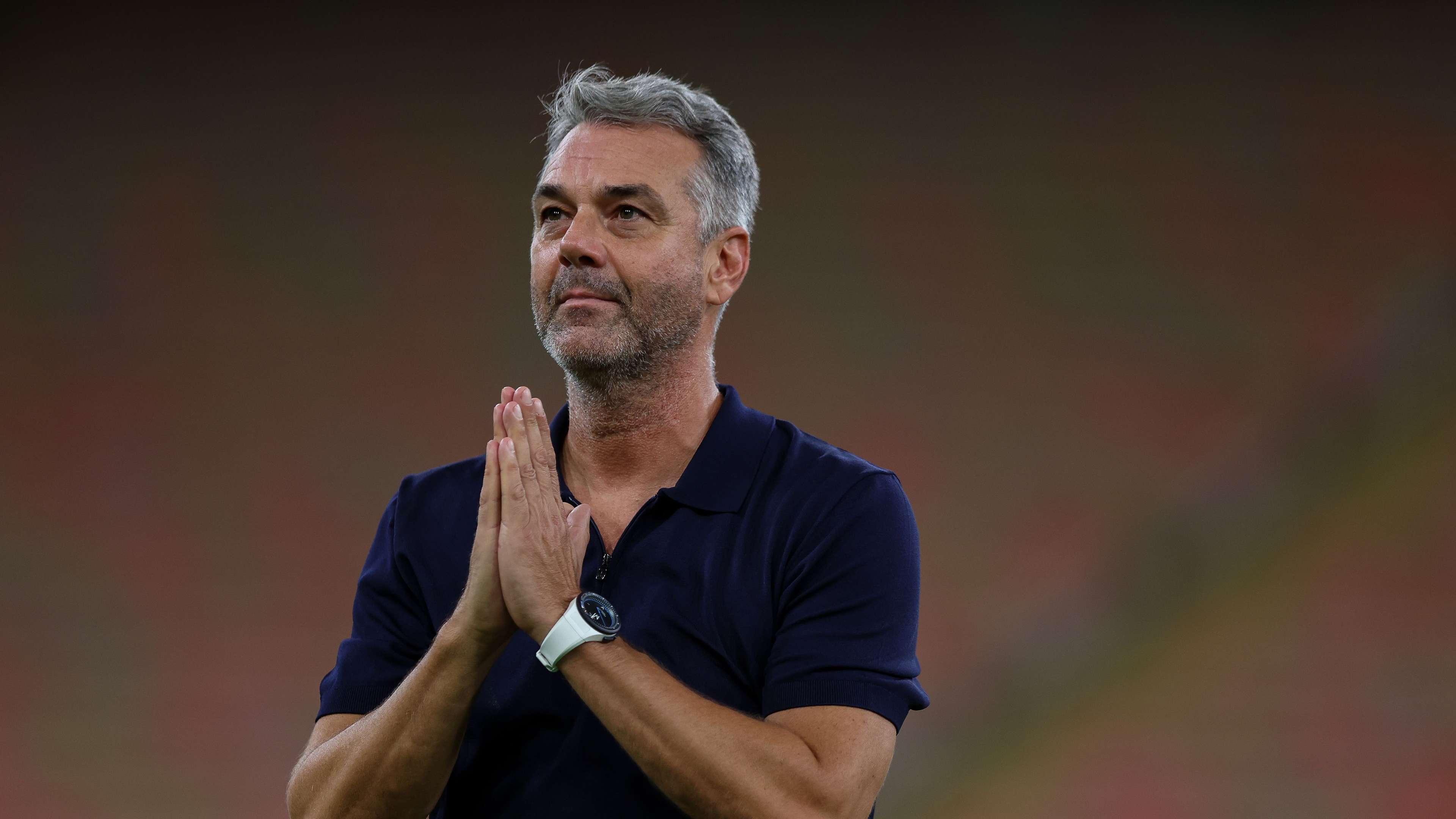
Following the game, the media gathered for the customary post-match press conference, where the true intensity of the controversy unfolded. The spotlight was on Marino Pusic, whose responses to journalists’ questions revealed a side of football coaching that is often hidden behind the scenes—passion, frustration, and sometimes defensiveness.
It all began when a journalist posed a question about Saleh Abu Al-Shamat, implying that the coach should have given the young player more playing time earlier in the match instead of relegating him to a brief cameo at the very end. Pusic’s reaction was swift and unmistakably sharp: “It seems you are a fan of one of the players, and you are right, but your question is illogical. We were good today.”
The exchange did not end there. Noticing the journalist’s smile—possibly a sign of disagreement or skepticism—Pusic further challenged the media member, asking, “Why are you laughing? Are you laughing at your team?” This fiery retort transformed what is typically a routine press conference into a confrontational debate, capturing the attention of football fans and analysts alike.
Implications of the Coach’s Outburst: Reactions and Broader Context
The incident has stirred a whirlwind of reactions across social media platforms, football forums, and sports analysis shows. Critics argue that Pusic’s confrontational attitude reflects underlying tensions within Al Ahly’s coaching staff and raises questions about the team’s strategic approach. Others see it as an expression of genuine passion and a sign of a coach fighting to defend his decisions amidst mounting pressure.
Moreover, the timing of the outburst—just minutes after the defeat—underscores the emotional toll that such losses can have on coaches and players alike. The narrative was further intensified by Saleh Abu Al-Shamat’s visible frustration after being substituted, as he stormed off the pitch, removing his shirt in a display of disappointment and protest. This incident, combined with Pusic’s heated response, exemplifies how the aftermath of a tough loss can escalate into a broader discussion about team cohesion, tactical choices, and leadership styles.
Football Prediction and the Impact of Unpredictability
This controversy also highlights the unpredictable nature of football and the challenges in making accurate predictions. Many football prediction models rely on statistical analysis, form, and tactical setups, but in high-stakes matches like this, human factors—emotions, decision-making under pressure, and individual moments of brilliance—often defy expectations. The Pusic incident is a reminder that football is as much about psychology and leadership as it is about tactics and statistics.
Historically, some of the most iconic figures in South African football—such as Steven Pienaar, Benni McCarthy, and Lucas Radebe—have demonstrated the importance of resilience and leadership, especially in moments of crisis. Their careers serve as inspiration for current players and coaches navigating the highs and lows of continental competitions. The current controversy surrounding Pusic and Al Ahly adds another chapter to the ongoing narrative of African football’s passionate and sometimes tumultuous journey.
What’s Next for Al Ahly and Their Coaching Philosophy?
As Al Ahly fans and football enthusiasts analyze the fallout from this incident, questions are emerging about the future direction of the team and the coaching staff. Will Pusic’s fiery approach be seen as a sign of his commitment or as a liability? How will the club management respond to the escalating tensions? And what does this mean for predictions about their upcoming matches in the tournament?
Given Al Ahly’s rich history of success and their reputation as a powerhouse in African football, they are expected to regroup and strategize for future encounters. However, maintaining team harmony and fostering a positive environment will be critical, especially as the club aims to balance tactical discipline with player development and motivation.
Conclusion: A Reflection of Football’s Passion and Complexity
The recent events involving Al Ahly’s loss to Sundowns and Marino Pusic’s explosive press conference serve as a vivid reminder of football’s unpredictable and emotionally charged nature. These incidents transcend mere predictions and statistics, highlighting the human element that makes football the world’s most beloved sport. As fans and analysts continue to dissect every moment, one thing remains clear: in football, passion often ignites controversy, but it also fuels the relentless pursuit of excellence.
For those interested in football prediction, understanding the emotional and psychological dimensions of the game is crucial. As teams like Al Ahly navigate their challenges, the lessons learned from such controversies will undoubtedly influence future strategies, leadership styles, and the ever-evolving narrative of African football’s competitive landscape.