

Susan Polgar Institute for Chess Excellence (SPICE) Discontinues at Webster University
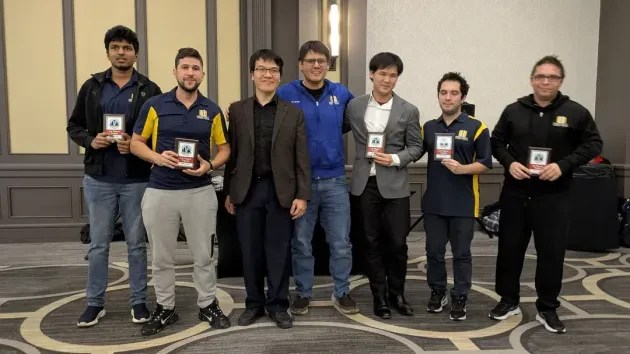
Recently, the chess community was shocked to learn that the Susan Polgar Institute for Chess Excellence (SPICE) at Webster University, a powerhouse collegiate chess program in the United States, has been discontinued. This decision was announced by Head Coach GM on April 30, marking the end of a program that has been a pillar of excellence in collegiate chess for over a decade.
A Legacy of Success
Founded by GM in 2007, SPICE was initially established at Texas Tech University before relocating to Webster University in 2012. Over the years, the program has produced remarkable results, with students earning two world championships, three Olympiad gold medals, and more than 90 national titles. Among the distinguished alumni are 2700-plus rated grandmasters such as , , and . The program also clinched numerous national championships, including 10 Pan-American Intercollegiate Championships and seven Final Four titles.
Despite the success, the decision to discontinue SPICE came as a surprise to many, including Liem Le, the head coach of the program. While he expressed disappointment at the news, Le acknowledged the significant impact that SPICE had on collegiate chess, providing student-athletes from around the world with opportunities to pursue academic and chess excellence.
“What I can say is that the SPICE program represented something truly special in collegiate chess. Over the past 14 years, it consistently operated at the highest level,” said Le. “My focus right now is supporting our students through this transition and helping them find the best possible paths forward.”
Controversy Surrounding the Decision
Susan Polgar, a prominent figure in the chess community and a key advocate for SPICE, expressed her disappointment and dissatisfaction with the way the university handled the program’s closure. In a scathing post, she compared the discontinuation of SPICE to major athletic programs like the University of Alabama shutting down its football program.
Polgar criticized the university for its lack of communication and suggested that with advanced notice, she could have initiated a fundraising campaign to save the program. She emphasized the positive impact that SPICE had on the collegiate chess ecosystem, bringing in numerous Grandmasters and inspiring other programs across the country.
Financial Challenges and Future Plans
Webster University responded to the backlash, citing financial constraints as the primary reason for discontinuing the program. According to Sr. Director of Public Relations Patrick Giblin, maintaining SPICE cost over a million dollars annually, with the university struggling to secure endowments to support the program.
Despite the decision to end SPICE, Webster University remains committed to providing educational opportunities for its students. The university plans to reallocate the funds from the chess program to support other initiatives and improve overall financial stability. While the closure of SPICE marks the end of an era in collegiate chess, the university aims to focus on offering students unparalleled learning experiences and opportunities for growth.
In conclusion, the discontinuation of SPICE at Webster University has sparked a mix of emotions within the chess community. While many are saddened by the loss of a prestigious program, there is hope that the legacy of SPICE will continue to inspire future generations of chess enthusiasts.
Impact on Collegiate Chess Landscape
The discontinuation of the Susan Polgar Institute for Chess Excellence (SPICE) at Webster University has sent ripples through the collegiate chess landscape. With its closure, many are left wondering about the future of high-level chess programs at universities and the impact it may have on the development of young chess players.
SPICE was renowned for its ability to attract top-tier chess talent from around the world, providing a platform for students to excel in both academics and chess. The program’s success not only raised the profile of collegiate chess but also inspired other universities to invest in their own chess programs. As such, the void left by SPICE’s closure may lead to a shift in the competitive landscape of collegiate chess, with other programs vying to fill the gap left by its absence.
Lessons Learned and Moving Forward
While the closure of SPICE has undoubtedly left a void in collegiate chess, it also serves as a reminder of the financial challenges that many programs face. Balancing the costs of running a high-caliber chess program with securing sustainable funding sources is a delicate dance that universities must navigate. The closure of SPICE underscores the importance of financial planning and strategic partnerships in ensuring the longevity of collegiate chess programs.
Moving forward, universities looking to establish or maintain successful chess programs can draw valuable lessons from the rise and fall of SPICE. Emphasizing transparency in communication, cultivating strong donor relationships, and exploring creative fundraising avenues are essential components of sustaining a thriving chess program. By learning from the experiences of SPICE, universities can position themselves for success in the competitive world of collegiate chess.
The Legacy of SPICE
While the Susan Polgar Institute for Chess Excellence may no longer be operational, its legacy lives on in the achievements of its alumni and the impact it had on collegiate chess. The program’s commitment to excellence, dedication to student development, and pioneering spirit have left an indelible mark on the chess community.
As former SPICE students continue to excel in their chess careers and beyond, the values instilled by the program will continue to shape the future of chess. The spirit of SPICE, characterized by a relentless pursuit of excellence and a passion for the game, will serve as a guiding light for aspiring chess players and chess programs seeking to make their mark on the world stage.
In the end, while the closure of SPICE may mark the end of an era, it also signals the beginning of a new chapter in the ever-evolving story of collegiate chess. As the chess community reflects on the legacy of SPICE, it is clear that its impact will endure for years to come, inspiring generations of chess enthusiasts to strive for greatness.