
Controversy and Disruption Mark Lyon vs. Rennes Match as Racist Banner Causes Halt in Ligue 1 Encounter
The recent Ligue 1 clash between Olympique Lyonnais and Stade Rennais turned tumultuous when a racist banner displayed in the stadium led to an immediate halt in play, igniting a broader conversation about racism in football and the ongoing efforts to combat discrimination on the pitch. This incident underscores the persistent challenges faced by football authorities worldwide in ensuring that the beautiful game remains inclusive and respectful for all participants and fans alike.
Event Overview: A Match Interrupted by Offensive Content
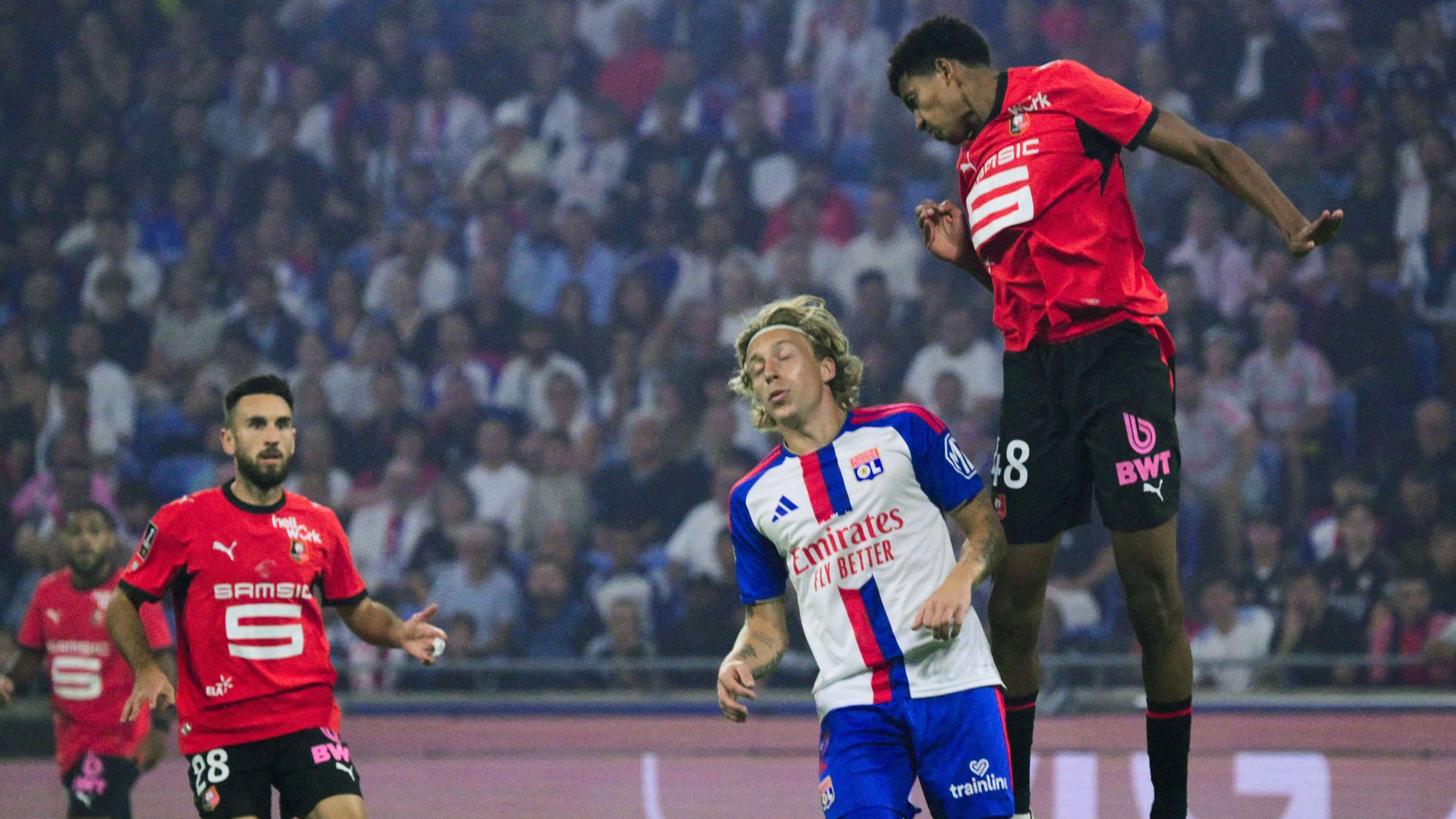
During a highly anticipated fifth-round fixture, Lyon appeared to be on course for a convincing victory, buoyed by an impressive performance from emerging star Ernest Nuamah, who scored two goals to give the hosts an early 2-0 lead. However, the game took a sudden and serious turn in the 36th minute when referee Mathieu Vernice decided to halt play following a disturbing incident involving a racist banner.
The catalyst for this disruption was a banner unfurled by fans in Lyon’s northern stand, bearing an offensive Spanish phrase aimed disparagingly at Saint-Étienne, Lyon’s historic and fierce local rivals. The phrase, which contained racially charged language, was displayed before kick-off and remained visible throughout the first half, prompting immediate concern among officials, players, and spectators.
Stadium Announcer’s Warnings and the Referee’s Intervention
Stadium announcers issued two formal warnings over the public address system, alerting fans to the offensive nature of the banner and urging its removal. Despite these warnings, the banner remained in place, and the racist chants directed at Saint-Étienne persisted, prompting referee Mathieu Vernice to take decisive action.
Upon receiving the report, the match delegate informed the referee, who promptly ordered a suspension of the game. The players were instructed to return to the dressing rooms, with Rennes players heading straight down the tunnel in protest. Lyon’s coaching staff, including Portuguese head coach Paulo Fonseca, alongside team captain Corentin Tolisso, approached the fans in an attempt to de-escalate the situation and encourage the removal of the offensive material.
Officials and Security Measures Respond to the Incident
Officials such as Mathieu Louis-Jean and Michael Gerlinger, responsible for overseeing match integrity and security, intervened on the spot to assess the situation and facilitate the removal of the banner. Their quick response was crucial in preventing further escalation and demonstrating the league’s commitment to stamping out racism in football.
The offensive banner was eventually taken down, allowing the players to return to the pitch after a brief 15-minute delay. To ensure players’ safety and physical readiness, a short warm-up session was conducted before the game resumed in the 36th minute, restoring some normalcy to the match environment.
The Broader Context: Racism in Football and Ongoing Initiatives
This incident at Lyon versus Rennes is far from isolated. Racism and discriminatory behavior have plagued football for decades, prompting leagues, clubs, and governing bodies such as FIFA and UEFA to implement strict policies and awareness campaigns aimed at eradicating these issues. Despite these efforts, incidents like this reveal the ongoing struggle to create a truly inclusive environment.
Football prediction models and analytics increasingly emphasize the importance of fostering diversity and tackling discrimination, recognizing that inclusive environments lead to better team performance, fan engagement, and global reputation. The incident also highlights the need for robust security measures, educational campaigns, and community outreach to combat racist behaviors both inside and outside stadiums.
The Impact on Fans, Players, and the Future of Football Prediction
For football fans and enthusiasts, incidents of racism cast a shadow over the sport’s universal appeal. Many supporters and analysts believe that such episodes threaten the integrity of football prediction models, which rely heavily on fair play, player focus, and team cohesion. Distractions and unrest caused by discriminatory acts can significantly influence match outcomes, making it crucial for leagues to maintain a zero-tolerance policy.
Looking ahead, the football community continues to push for stronger sanctions against offenders, including lifetime bans, heavy fines, and educational programs designed to change attitudes. The incident at Lyon underscores the importance of collective responsibility—from fans to officials—to uphold the sport’s core values of respect and inclusion.
Conclusion: A Call for Continued Action and Vigilance
The stoppage during the Lyon vs. Rennes match serves as a stark reminder that racism remains an obstacle in football, demanding persistent vigilance and proactive measures. While the swift response by officials and players demonstrated a commitment to combating discrimination, it also spotlighted the urgent need for ongoing education, stricter enforcement, and community engagement to eradicate racist behavior from the sport entirely.
As football prediction models evolve to incorporate social factors and ethical considerations, the hope is that future matches will be free from such incidents, allowing fans and players to focus on the sport’s true essence—competition, camaraderie, and shared passion. The football community must continue working together to ensure that the beautiful game remains a positive force for change, where respect and diversity are celebrated, and discrimination is left behind.