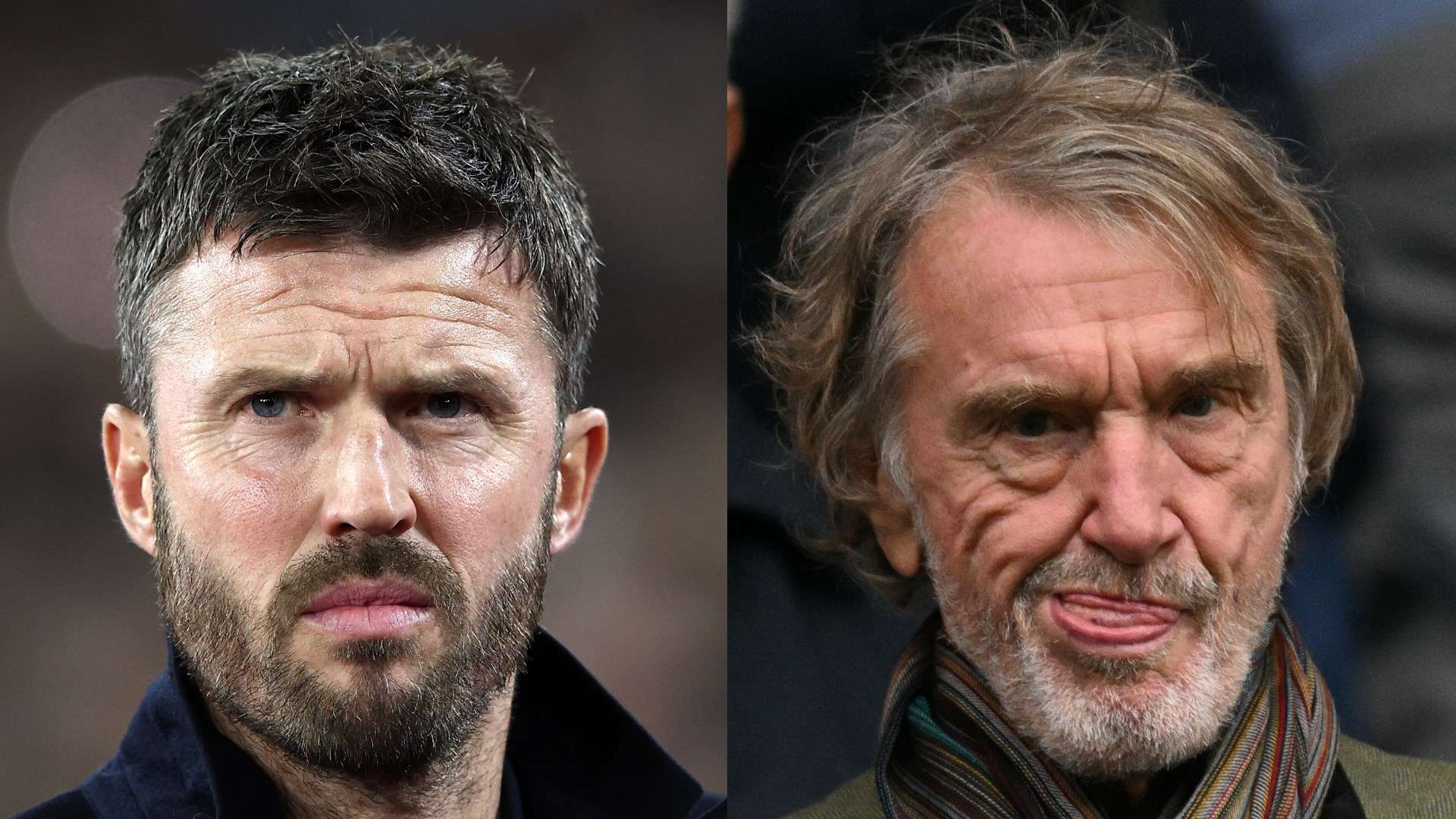

Manchester United’s assistant coach, Michael Carrick, has emphasized the importance of all players and staff at the club recognizing the responsibility they hold as representatives of one of the most prominent football clubs globally. This statement comes in response to the recent controversial remarks made by the co-owner of Manchester United, Sir Jim Ratcliffe, regarding immigration in Britain. Despite Ratcliffe issuing an apology for his language, the repercussions of his comments continue to reverberate, sparking widespread discussions and reactions.
The Impact of Sir Jim Ratcliffe’s Controversial Remarks
Sir Jim Ratcliffe, a billionaire and co-owner of Manchester United, found himself under scrutiny after making contentious comments about immigration in Britain. While Ratcliffe has since expressed regret for his choice of words, the fallout from his remarks has not subsided. The incident has shed light on the importance of individuals in influential positions being mindful of the impact of their words and actions, especially in a diverse and multicultural society.
Michael Carrick’s Call for Accountability
In response to the controversy surrounding Sir Jim Ratcliffe’s comments, Michael Carrick, who serves as an assistant coach at Manchester United, has underscored the significance of every player and staff member at the club understanding the weight of their roles as representatives of a prestigious institution. Carrick’s statement serves as a reminder of the power and influence that individuals associated with renowned organizations wield, both on and off the field.
The Responsibility of Being Part of Manchester United
Being affiliated with Manchester United comes with a set of responsibilities that extend beyond the realm of football. As ambassadors of the club, players and staff are not only expected to excel in their respective roles but also to conduct themselves in a manner that upholds the values and principles of the organization. In light of recent events, Carrick’s remarks serve as a call to action for everyone associated with Manchester United to embody integrity, respect, and inclusivity in all aspects of their lives.
Continued Dialogue and Reflection
The aftermath of Sir Jim Ratcliffe’s controversial comments has prompted a broader conversation about the intersection of sports, politics, and social issues. As the discussions surrounding immigration and diversity in Britain continue, it is essential for individuals in positions of influence to engage in meaningful dialogue, listen to diverse perspectives, and reflect on the impact of their words and actions. Manchester United, as a global powerhouse in the world of football, has a unique platform to drive positive change and foster a more inclusive and understanding society.
In conclusion, the recent controversy surrounding Sir Jim Ratcliffe’s remarks has highlighted the importance of accountability, responsibility, and respect within the realm of professional sports. Michael Carrick’s call for all individuals associated with Manchester United to uphold the values of the club serves as a poignant reminder of the influence that comes with being part of a prestigious institution. As the discussions surrounding immigration and diversity continue, it is crucial for everyone to contribute to building a more inclusive and equitable society, both on and off the field.
The Role of Football in Social Responsibility
Football has always been more than just a sport—it is a powerful platform that can drive social change and influence perceptions. Players and staff associated with top football clubs like Manchester United have a unique opportunity to use their influence for the greater good. In the wake of controversies like Sir Jim Ratcliffe’s remarks, it becomes even more crucial for individuals within the football community to be vigilant about the impact of their words and actions on society.
Empowering Players to Make a Difference
Beyond the responsibilities that come with representing a prestigious club, players have the potential to become role models and advocates for social causes. By using their platform to raise awareness about important issues such as diversity, inclusion, and equality, footballers can inspire positive change both on and off the field. Initiatives like anti-racism campaigns, community outreach programs, and charity partnerships demonstrate the proactive role that players can play in making a difference in society.
The Power of Unity and Collaboration
In times of controversy and division, it is essential for football clubs to come together as a united front to promote unity and understanding. Manchester United, with its global fan base and influence, has the capacity to lead by example in fostering a culture of inclusivity and respect. By actively engaging in dialogue, education, and advocacy, the club can demonstrate its commitment to being a force for positive change in the world of sports and beyond.
Looking Towards a Brighter Future
As the discussions surrounding immigration, diversity, and social issues continue to evolve, it is crucial for football clubs like Manchester United to remain at the forefront of promoting progressive values and principles. By championing diversity, equity, and inclusion both within the organization and in the broader community, the club can set an example for others to follow. Through collaborative efforts and a steadfast commitment to social responsibility, Manchester United can continue to inspire fans, players, and stakeholders alike to strive for a more just and equitable society.
In conclusion, the events surrounding Sir Jim Ratcliffe’s controversial remarks have underscored the importance of accountability, responsibility, and unity within the football community. By embracing their roles as ambassadors for change, players and staff at Manchester United can leverage their influence to drive positive societal impact. As the club navigates through challenging times, it is imperative for everyone involved to uphold the values of integrity, respect, and inclusivity, embodying the spirit of excellence both on and off the pitch.