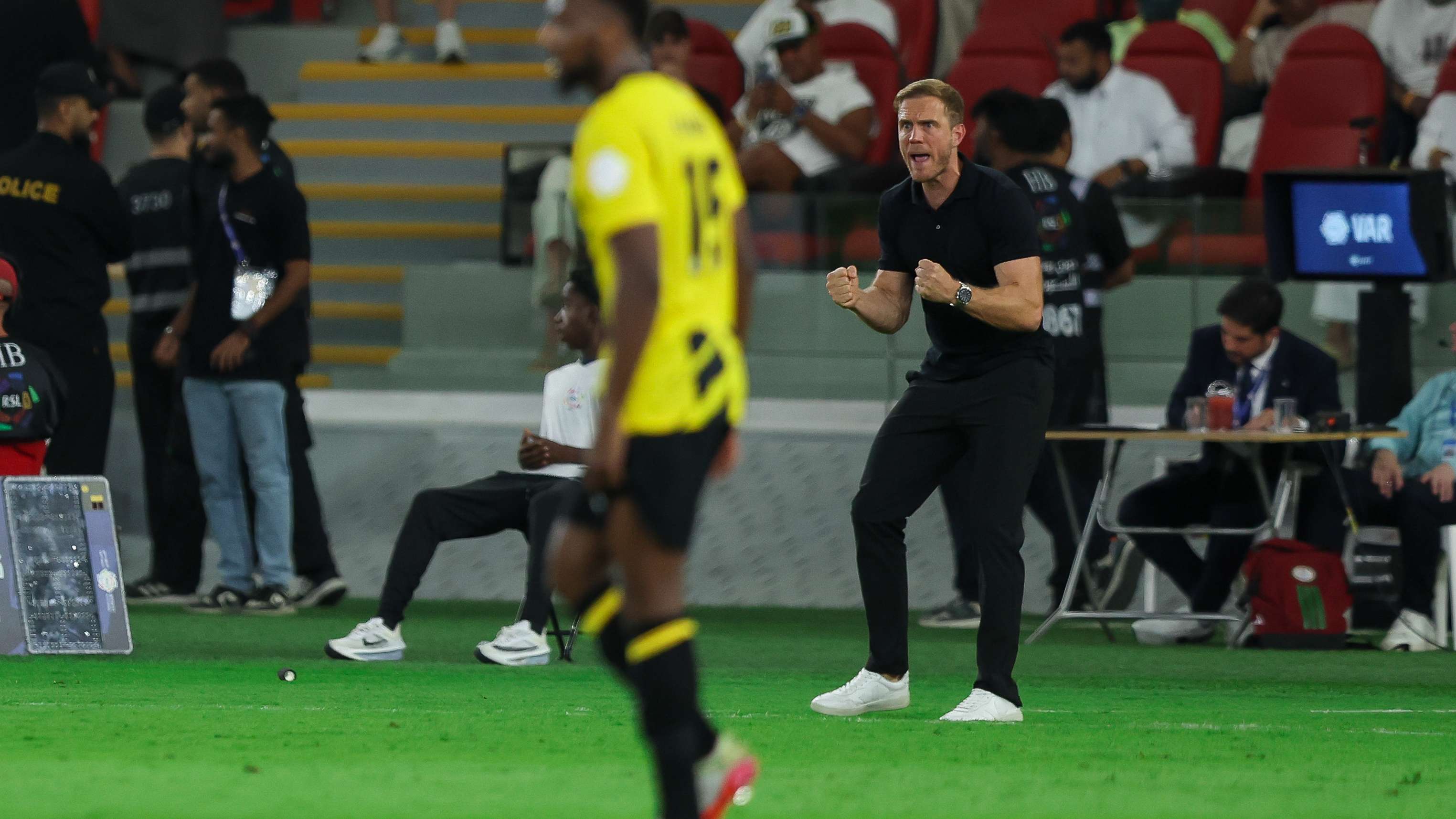

Al-Ittihad Fans Turn on Jens Wissing After Heavy Defeat to Al-Ain
Al-Ittihad’s home supporters made their frustration unmistakable after the Saudi side suffered a damaging 4-1 defeat to UAE club Al-Ain. The result was a major shock, but the reaction inside the stadium reflected more than disappointment with the scoreline: fans questioned the team’s performance, German coach Jens Wissing’s tactical decisions and Al-Ittihad’s readiness for the challenges ahead in the AFC Champions League Elite.
What had been expected to be an important opportunity for Al-Ittihad instead became a difficult night for the hosts. Al-Ain found ways to exploit weaknesses in their opponents’ play, while the home side struggled to respond as the match slipped away. By the final whistle, frustration had spilled into the stands, where supporters directed sharp criticism at Wissing and the team’s apparent lack of control.
A Defeat That Raised Bigger Questions
A 4-1 loss is painful for any club with Al-Ittihad’s ambitions, but the manner of the defeat was central to the backlash. Supporters were not simply reacting to a bad result. They were concerned by how readily the team appeared to lose its shape and momentum, and by the decisions made from the touchline as Al-Ain took command.
For a club competing under intense expectations, a heavy home defeat can quickly become a test of confidence in its coach. Fans want to see a clear plan, effective changes when a match turns against the team, and a response that shows players understand their roles. When those signs are missing, questions about tactics and leadership naturally become louder.
Wissing now faces scrutiny over whether his approach can deliver the consistency Al-Ittihad need. The criticism does not automatically determine his future, but it does underline the pressure surrounding the position. Results matter, yet performances often shape how supporters judge a coach—particularly when a team appears unable to adjust to an opponent’s strategy.
Where Al-Ittihad Must Improve
The defeat offered a warning that Al-Ittihad cannot rely on reputation alone. Strong teams need to remain organised when they lose possession, protect the space between their defensive and midfield lines, and respond quickly when an opponent gains confidence. Al-Ain’s four goals will prompt questions about how effectively the hosts handled those demands.
There are also questions about the team’s attacking balance. When a side falls behind, pushing forward can be necessary, but it can also leave gaps for opponents to exploit. Al-Ittihad must find a way to create pressure without sacrificing defensive security. That balance is especially important in knockout-style or high-stakes continental football, where one poor spell can have an outsized effect on a campaign.
Wissing’s next challenge will be to review the performance without allowing the disappointment to become a longer-term crisis. That means identifying whether the problems stemmed from the starting setup, individual errors, a failure to adapt during the game or a combination of factors. Clear answers—and visible improvements—will be essential if the coach is to restore confidence among supporters.
AFC Champions League Elite Pressure Intensifies
The timing of the setback adds to its significance. Al-Ittihad are competing in the AFC Champions League Elite, a tournament in which every match can influence a club’s momentum, qualification prospects and standing among Asia’s leading teams. A heavy defeat does not, by itself, decide a campaign, but it can expose weaknesses that future opponents will look to target.
Continental competition also brings a different kind of pressure. Teams face varied styles, unfamiliar tactical challenges and opponents who may be comfortable playing without the ball before striking on the counter. Al-Ittihad will need greater discipline and adaptability if they are to compete consistently. The loss to Al-Ain is a reminder that individual quality must be supported by a coherent team structure.
For supporters, the concern is whether the defeat represents a one-off failure or a sign of deeper technical problems. The next performances will provide important clues. A focused response, improved organisation and a convincing result could ease the tension. Another display marked by uncertainty, however, would likely intensify calls for change.
What Comes Next for Wissing and Al-Ittihad?
The immediate priority is recovery—both physically and mentally. Players must move on from the result while learning from the mistakes that contributed to it. The coaching staff, meanwhile, will be expected to make practical adjustments rather than offer explanations alone. Supporters will be watching for better communication between the lines, more reliable defensive cover and a stronger reaction when the team faces adversity.
Any football prediction about Al-Ittihad’s short-term prospects should therefore be treated with caution. One defeat cannot define a season, but a 4-1 home loss is a serious signal that the team needs to respond quickly. If Wissing can restore structure and guide his players through the pressure, the result may become a turning point rather than the start of a damaging slide. If the same problems persist, debate over his role is likely to grow.
For now, the message from the stands is clear: Al-Ittihad’s supporters expect more than a famous name and a talented squad. They want performances that match the club’s ambitions. Wissing’s ability to answer that demand will shape the conversation around the team as its Saudi Pro League and AFC Champions League Elite challenges continue.