
Real Madrid’s Standpoint on Refereeing Decisions: A Turning Point in Football Prediction and Club Strategy
The aftermath of the recent Madrid derby between Real Madrid and Atlético Madrid has sparked widespread debate within the football community, extending beyond the pitch and into the realms of football prediction analytics and club strategy. Central to this discourse is the vocal stance taken by Real Madrid’s head coach, José Mourinho, whose comments have transcended mere frustration to become a unified message from the club regarding refereeing decisions. This development signifies a strategic shift in how top European clubs engage with officiating controversies and communicate their positions publicly.
José Mourinho: The Voice of a Unified Club in the Refereeing File
Following the intense clash at the Santiago Bernabéu, Mourinho’s words echoed through the football world, but his stance was not just about venting frustration. According to reputable Spanish sports newspaper AS, Mourinho’s remarks at the post-match press conference were carefully aligned with the club’s official position. His gestures and comments reflected a deliberate effort to frame the refereeing decisions as a decisive factor that influenced the outcome of the game, rather than a moment of impulsive dissatisfaction.
Interestingly, Mourinho has emerged as the primary spokesperson for Real Madrid’s broader stance on refereeing issues. The club’s hierarchy has reached a consensus: Mourinho’s voice now represents the collective voice of the first team, both internally and externally. This strategic alignment ensures that the messaging remains consistent, reinforcing the club’s narrative that officiating decisions are impacting the integrity of the game and its competitive balance.
The Refereeing Controversy: More Than a Post-Game Complaint
Real Madrid’s dissatisfaction with the refereeing decisions was evident even before the final whistle. The club issued an official statement on the morning after the derby, explicitly objecting to referee Ortiz Arias’s officiating, citing his previous interactions with Barcelona players as a reason for concern. This move underscored the club’s belief that refereeing controversies are not isolated incidents but part of a larger pattern affecting the fairness of La Liga matches.
The “refereeing file,” a term gaining prominence among football analysts and fans alike, encapsulates the ongoing debate about the integrity of officiating in Spanish football. It contains a detailed record of contentious decisions, including controversial penalty calls, red cards, and specific challenges like Romero’s tackle on Bellingham, which have become focal points in the prediction models used by betting companies and football analytics platforms.
From Mourinho’s Comments to the Bigger Picture in Football Prediction
This strategic stance has profound implications for football predictions. As clubs like Real Madrid openly question refereeing consistency, prediction models—used by fans, analysts, and betting companies—must now grapple with an added layer of uncertainty. The perceived bias or inconsistency in officiating can significantly influence match outcomes, making accurate predictions more complex and emphasizing the importance of factoring in refereeing tendencies when assessing probabilities.
Moreover, Mourinho’s vocalization of these issues signals a shift in club communication strategy, aligning the club’s public narrative with analytical insights. The transparency and assertiveness in addressing refereeing controversies could influence future predictions, encouraging more comprehensive models that include referee performance and historical bias as variables.
Real Madrid’s Unified Messaging: The Role of the Coach in Football Strategy
Historically, the communication from Real Madrid regarding officiating issues has been somewhat fragmented, with different figures expressing varying opinions. However, Mourinho’s current role as the club’s chief spokesman marks a significant departure from past practices. Unlike previous seasons when club officials or technical directors would sometimes voice contrasting viewpoints, the current approach ensures a cohesive message — both in the media and in internal discussions about match strategy and prediction.
This unity not only reinforces the club’s stance but also influences how external stakeholders, including fans, pundits, and betting agencies, interpret the team’s performance and officiating quality. It sets a precedent for other top clubs to follow suit, potentially reshaping how football predictions are formulated at the highest levels.
Controversial Incidents and the Refereeing File: Insights from Audio Recordings
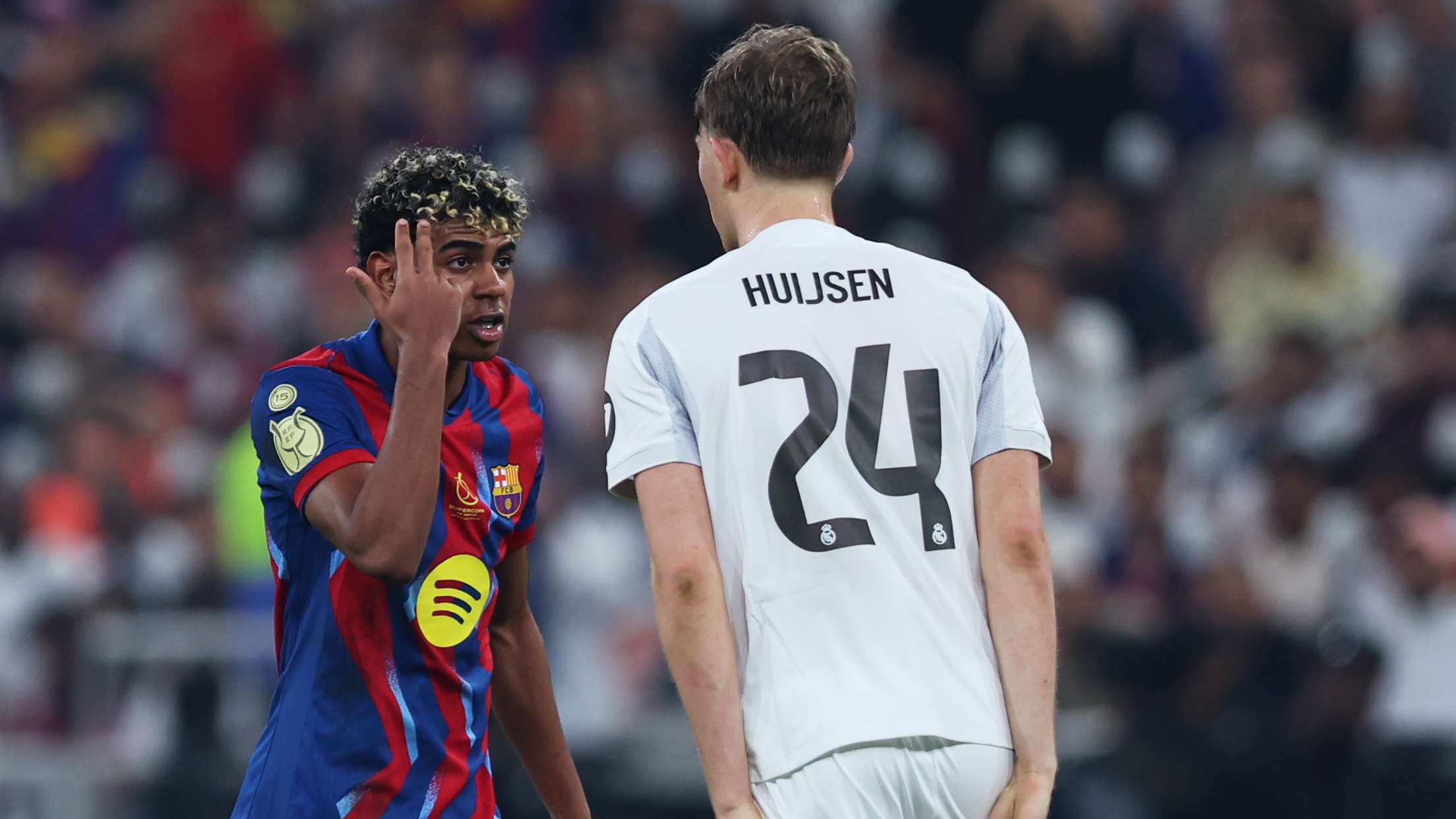
Further revelations have emerged from audio recordings published by the Spanish federation, shedding light on the internal review process of controversial incidents. These recordings detail discussions about incidents such as Dean Huijsen’s red card decision and challenges involving players like Kang-in Lee and Jude Bellingham. The transparency of these reviews has added layers of complexity to the ongoing debate, influencing how predictions are made concerning match outcomes and disciplinary actions.
This detailed scrutiny underscores the importance of understanding refereeing patterns and their potential impact on game results. For prediction enthusiasts, these insights highlight the necessity of integrating referee performance data into their models, recognizing that officiating can sway the final scoreline and, consequently, betting odds.
The Upcoming Coaches’ Meeting: Will Refereeing Take Center Stage?
As the controversy intensifies, the Spanish federation’s annual meeting with coaches from the first and second divisions promises to be a pivotal event. Scheduled for tomorrow, Tuesday, this gathering offers a platform for coaches to voice their concerns about refereeing quality early in the season. While Mourinho’s attendance remains unconfirmed, the discussions are expected to touch upon the ongoing issues surrounding officiating consistency and fairness.
Historically, such meetings have been used to address refereeing grievances and propose reforms, but this year’s focus could be even more pronounced given the recent high-profile incidents. For those involved in football prediction, the outcomes of these discussions may signal future changes in officiating standards and VAR implementation, directly impacting match forecasts and betting strategies.
Conclusion: A New Era of Transparency and Strategic Engagement in Football Prediction
The recent developments surrounding Real Madrid’s stance on refereeing decisions, galvanized by Mourinho’s leadership, mark a significant evolution in football communication and strategy. As clubs increasingly take control of the narrative, especially regarding officiating controversies, the landscape of football prediction is also shifting. Analysts and bettors must now consider the broader context of refereeing bias, club influence, and official transparency when making predictions.
Ultimately, this heightened awareness and strategic messaging could lead to more sophisticated prediction models that incorporate referee performance metrics, internal reviews, and club statements. For fans and professionals alike, understanding these dynamics is key to navigating the complex world of football prediction in an era where refereeing decisions are no longer just part of the game but a central element shaping its outcome.
As the season progresses, all eyes will be on how these issues evolve and whether the increased scrutiny leads to tangible changes in officiating standards. For football enthusiasts, bettors, and analysts, staying informed about these developments will be crucial in refining predictions and gaining competitive edges in the sport’s ever-changing landscape.