
Sultan Al-Ghannam Nears Al-Nassr Return After Cruciate Ligament Injury
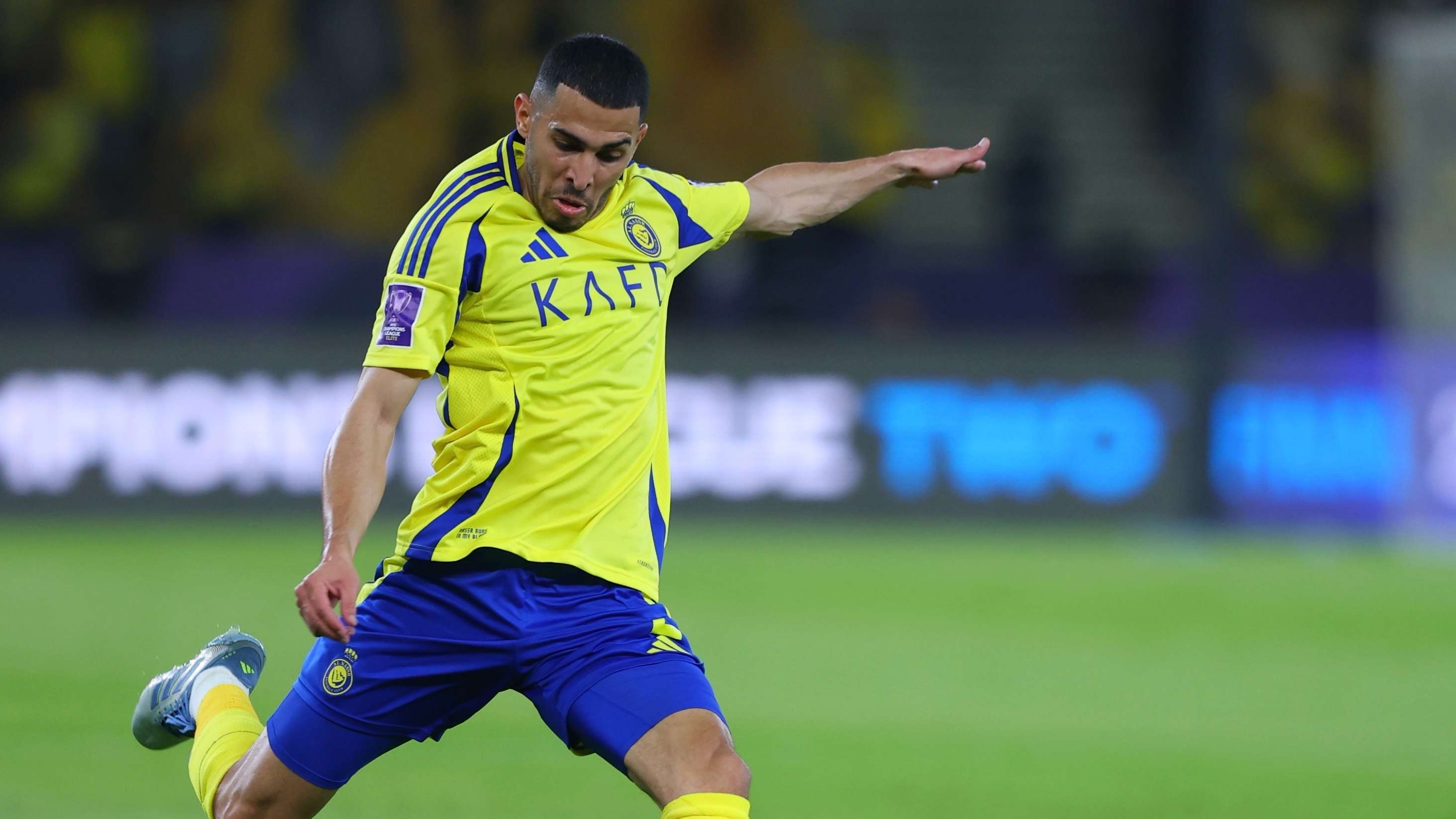
Al-Nassr are approaching an important moment in their season, with right-back Sultan Al-Ghannam moving closer to a return from a serious knee injury. The Saudi international has entered the final stage of his rehabilitation, raising hopes that he could be available again in January, subject to medical approval and his progress in training.
According to a source cited by Arriyadiyah, Al-Ghannam is completing the final phase of his recovery in Riyadh under the supervision of an Al-Nassr club doctor. He resumed training on 13 November, a significant step after months of treatment and carefully managed rehabilitation. Current medical projections indicate that he may be fully fit by January, although the club is expected to prioritize a safe return over a rushed comeback.
A carefully managed recovery
Al-Ghannam underwent surgery on his anterior cruciate ligament in June at the Aspetar medical centre in Doha, Qatar. The operation was performed by Dr Khalid Al-Khalifi. Following surgery, the defender began the first two stages of his rehabilitation programme at the centre before continuing his recovery with Al-Nassr’s medical staff.
An ACL injury is among the most demanding setbacks a footballer can face. Recovery typically involves rebuilding strength, restoring mobility and balance, and gradually reintroducing the movements required for competition. For a full-back, those demands are especially significant: the position requires repeated sprints, sharp changes of direction, defensive challenges and the stamina to support attacks throughout a match.
Al-Ghannam’s return to training therefore represents progress, but it does not necessarily mean he is ready for immediate selection. The final stages of rehabilitation usually involve a gradual increase in workload, with medical staff assessing how the knee responds to football-specific drills. Al-Nassr will want him to regain confidence and match fitness before placing him back into the pressure of competitive action.
The injury that disrupted his season
The defender suffered the injury during the AFC Champions League Two final against Japan’s Gamba Osaka on 16 May at Al-Awwal Park in Riyadh. Gamba Osaka won the match 1-0 to claim the trophy. Al-Ghannam required treatment during the final but returned to the pitch to see out the game, before the seriousness of the injury became clear.
The timing was particularly difficult for both player and club. Al-Nassr lost an experienced defender at a crucial point in the campaign, while Al-Ghannam faced a lengthy rehabilitation process after sustaining the injury in one of the most important fixtures of the season. His absence also meant the team had to adjust its options at right-back and redistribute defensive responsibilities.
Why Al-Ghannam’s comeback matters to Al-Nassr
Al-Ghannam’s potential return would give Al-Nassr more than an additional name on the team sheet. He offers experience, familiarity with the club’s playing environment and the ability to contribute at both ends of the pitch. A dependable right-back can help maintain defensive structure while also providing width and support during attacking phases—qualities that matter in a team competing across domestic and continental competitions.
His availability could also give the coaching staff greater flexibility when planning line-ups. Depending on his fitness and form, Al-Nassr may be able to rotate more effectively, manage workloads across a demanding schedule and adjust its approach against different opponents. Those factors can prove important over a long season, particularly when fixtures arrive in quick succession.
Still, expectations should remain measured. A player returning from an ACL injury may need time to rebuild rhythm, and the club’s medical team will likely monitor his response closely after each increase in training intensity. The key measure will not simply be the date of his first appearance, but whether he can return consistently without setbacks.
A long-term figure at the club
Al-Ghannam joined Al-Nassr from Al-Faisaly in the summer of 2018 and has since become an established part of the club’s squad. In October 2023, the management extended his contract through 2028, underlining the club’s confidence in his long-term value.
That commitment gives Al-Nassr a strong incentive to manage his recovery carefully. Rather than treating his return as a short-term fix, the club can focus on restoring him to a level that allows him to contribute over the coming seasons. For the player, the priority will be regaining full fitness and competing for his place through training and performances.
What to expect from the next stage
Al-Nassr supporters will be watching for further updates as January approaches. If Al-Ghannam continues to progress without complications, he could become an option for the team in the weeks ahead. The exact timing will depend on medical assessments, his response to football-specific work and how quickly he rebuilds match sharpness.
For fans following Saudi football, his recovery is a notable story because it combines the return of a prominent international player with the tactical importance of a trusted defender. Any prediction about his first match should remain cautious until the club confirms his readiness. For now, the most encouraging signs are his return to training and his entry into the final phase of rehabilitation.
Al-Ghannam’s comeback could provide Al-Nassr with a timely boost, but patience will be essential. If his recovery continues as planned, the right-back may soon be back in contention—bringing experience, defensive stability and renewed options to a side eager to strengthen its campaign.