
Real Madrid Bring El Clásico Back Into the Spotlight After Ballon d’Or Night
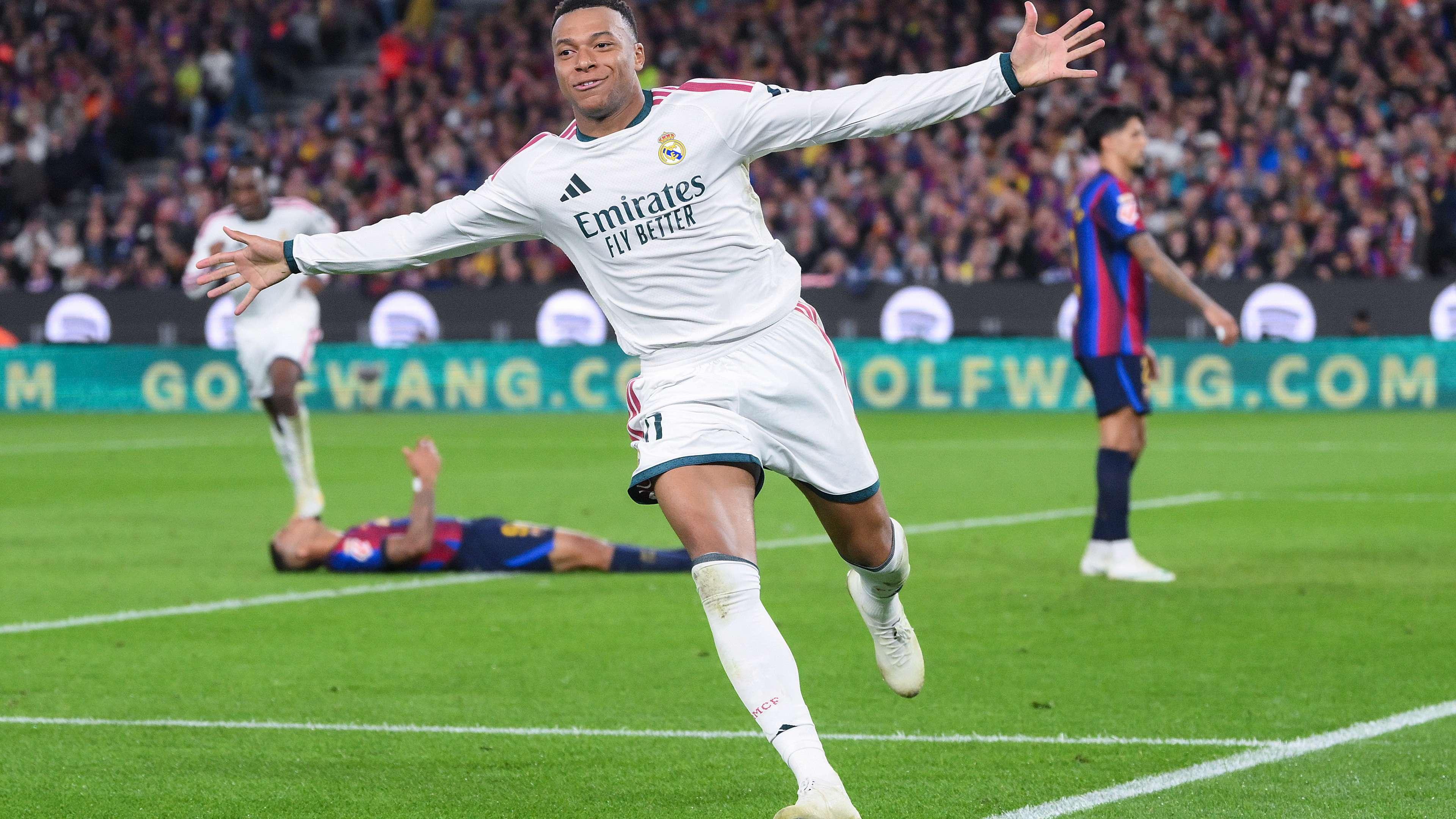
Real Madrid’s 2-1 victory over Barcelona continued to dominate the conversation even after the final whistle at the Santiago Bernabéu. During Monday night’s 2026 Ballon d’Or ceremony in London, the Spanish club’s television channel used its coverage to revisit the result—and delivered a pointed parting shot after Kylian Mbappé missed out on the award.
The Clásico had taken place the previous Sunday in the 10th round of the Spanish league, with Madrid claiming a high-profile win over their fiercest rivals. The result was already a major talking point in Spanish football. But when the Ballon d’Or ceremony turned into a difficult evening for Madrid’s leading candidate, the club’s broadcast team found a way to connect the two events.
Real Madrid TV focuses on the awards
As the ceremony unfolded in London, Real Madrid TV interrupted its regular schedule for a special edition of Real Madrid Conecta, according to Foot Mercato. The programme reviewed the latest awards news and followed the announcement of the winner, while also addressing rumours that had circulated in the build-up to the event.
Before the ceremony, supposed lists of winners had been shared online. Some of the claims proved inaccurate, prompting the programme’s commentators to question the reliability of the information. They noted that lists had appeared to reveal winners who were not ultimately selected, while other versions left out the names of the actual recipients.
“Complete lists were leaked, which omitted the names of the winners, and the names of winners who were not actually the winners were also leaked,” the commentators said, suggesting that some of the reports amounted to deliberate misinformation. Their remarks reflected the uncertainty that often surrounds major football awards, where rumours and predictions can spread quickly before the official announcement.
The presenters also made a sarcastic observation about the ceremony’s location, asking whether it was strange that the event was being held in London for the first time. The comment added a note of mischief to the broadcast, although the main tension centred on who would succeed the previous winner.
Harry Kane wins as Mbappé finishes second
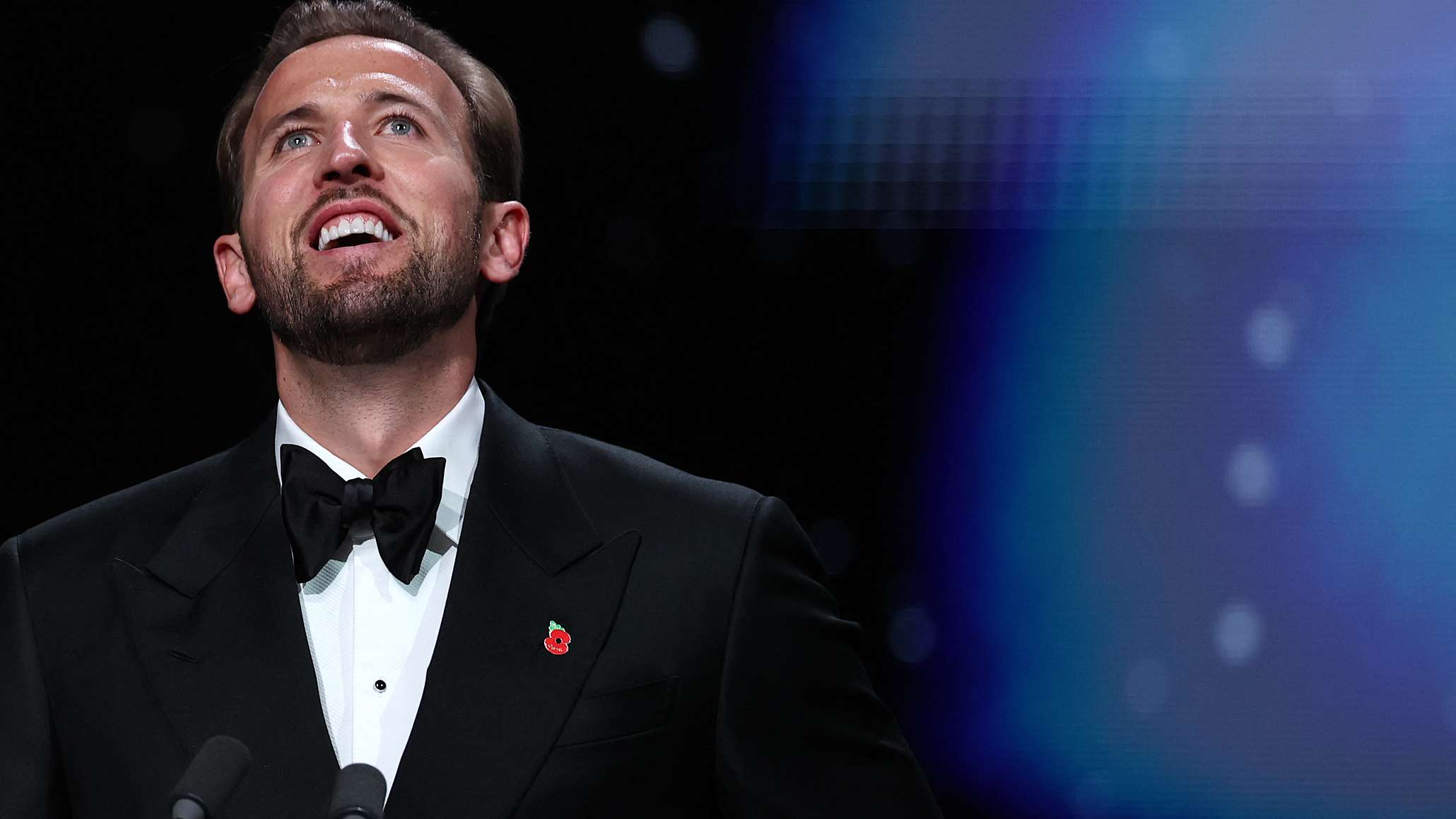
The 2026 award recognised the season’s outstanding individual performer, with Paris Saint-Germain forward Ousmane Dembélé having claimed the 2025 Ballon d’Or. Madrid supporters had hoped that Mbappé would take the next prize after finishing second in the final ranking. Instead, England captain and Bayern Munich striker Harry Kane was named the winner.
Kane’s success gave the ceremony a major talking point of its own. The forward has built a reputation for combining reliable goalscoring with an increasingly complete role in attack, and his recognition highlighted the importance of sustained performance at club and international level. For Madrid, however, the result meant that one of the club’s biggest stars left the event without the individual honour many fans had hoped to see him receive.
Ballon d’Or results inevitably invite debate. Supporters compare goals, assists, trophies, consistency and performances in decisive matches, while voters must weigh achievements across a full season. That makes pre-award prediction a popular part of football coverage—but also a risky one. Leaked lists and confident forecasts can create expectations that do not match the final vote.
A pointed sign-off links the award to the Clásico
Real Madrid TV congratulated Kane after his victory, but the programme’s closing line quickly returned attention to the weekend’s match. “Real Madrid won in Barcelona, and Harry Kane is the Ballon d’Or winner. See you tomorrow, goodbye,” the presenters said.
The remark paired Madrid’s triumph in Catalonia with Kane’s individual success, even though the two achievements were unrelated. It also carried an unmistakable edge: while Mbappé had missed out on the award, Real Madrid had secured the result that mattered most to the club’s supporters that weekend.
That contrast gave the broadcast its headline-making moment. Rather than allowing the evening to be defined solely by the Ballon d’Or outcome, the channel reminded viewers that Madrid had recently beaten Barcelona in one of football’s most closely watched fixtures. The timing ensured that the Clásico remained part of the discussion long after the match itself had ended.
Why the Clásico remains central to the football conversation
Real Madrid and Barcelona rarely need much encouragement to reignite their rivalry. Their matches carry significance beyond league points, drawing attention from supporters around the world and shaping the wider narrative of the Spanish season. A win can influence confidence, momentum and the public perception of both teams, especially when it arrives early in a campaign.
The 2-1 result also offered Madrid a useful talking point during a night focused on individual recognition. The Ballon d’Or celebrates a player’s achievements, but club football is ultimately judged through collective results as well as personal statistics. Madrid’s television channel leaned into that distinction, presenting the Clásico victory as a reminder of the team’s recent success.
For Barcelona, the defeat was an unwelcome backdrop to the awards coverage. For Madrid, it provided a counterweight to Mbappé’s second-place finish. The club’s message was not that the Ballon d’Or lacked importance, but that a victory over its greatest rival carried its own value and deserved to remain in the spotlight.
Prediction, pressure and the season ahead
The episode also underlined how quickly football narratives can change. Before the ceremony, attention focused on predictions about the winner. Once Kane’s name was announced, the discussion shifted to the voting, the absent winner and Madrid’s reaction. Meanwhile, the Clásico result remained a convenient reference point for both broadcasters and fans.
As the Spanish league season continues, the next matches will offer a better indication of whether Madrid can build on its victory and whether Barcelona can respond. For supporters, the most meaningful prediction is not necessarily who will win the next individual award, but which side can maintain consistency across a demanding campaign.
For now, Real Madrid have managed to keep their Clásico success in the headlines. A Ballon d’Or night that might have been remembered mainly for Mbappé’s second-place finish instead ended with a reminder of Madrid’s win over Barcelona—and a sign-off that ensured the rivalry remained firmly at the centre of the football conversation.