
AC Milan’s European Crisis Deepens After Third Defeat in Four Matches
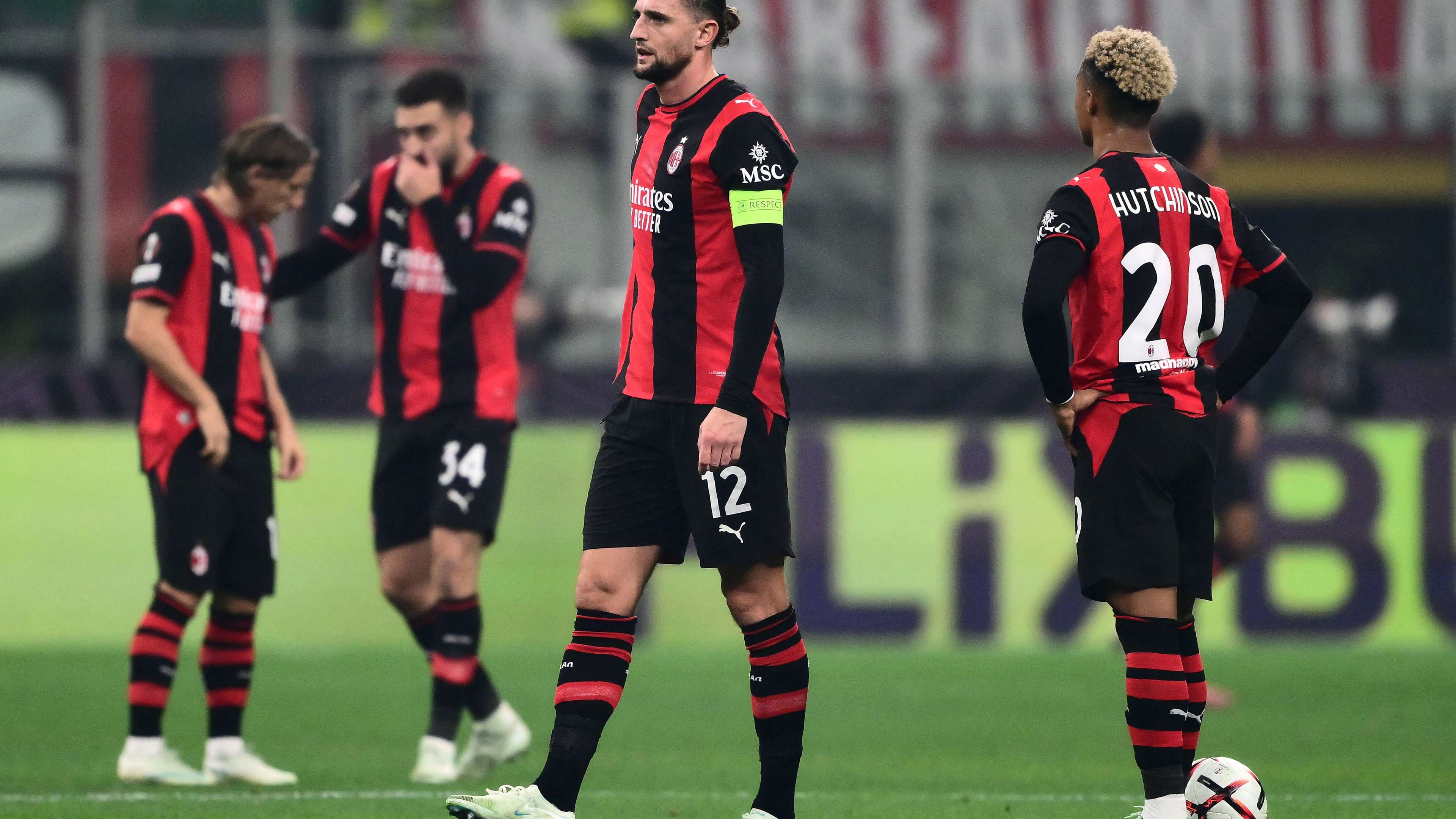
AC Milan’s latest European setback has raised urgent questions about the team’s form, focus and ability to compete across multiple competitions. A 2-0 defeat to Ferencvaros at San Siro was Milan’s third loss in four matches, extending a troubling run that has left supporters searching for answers. The scoreline did not fully reflect the visitors’ control: Ferencvaros looked sharper, more committed and more comfortable in the match than the Italian side.
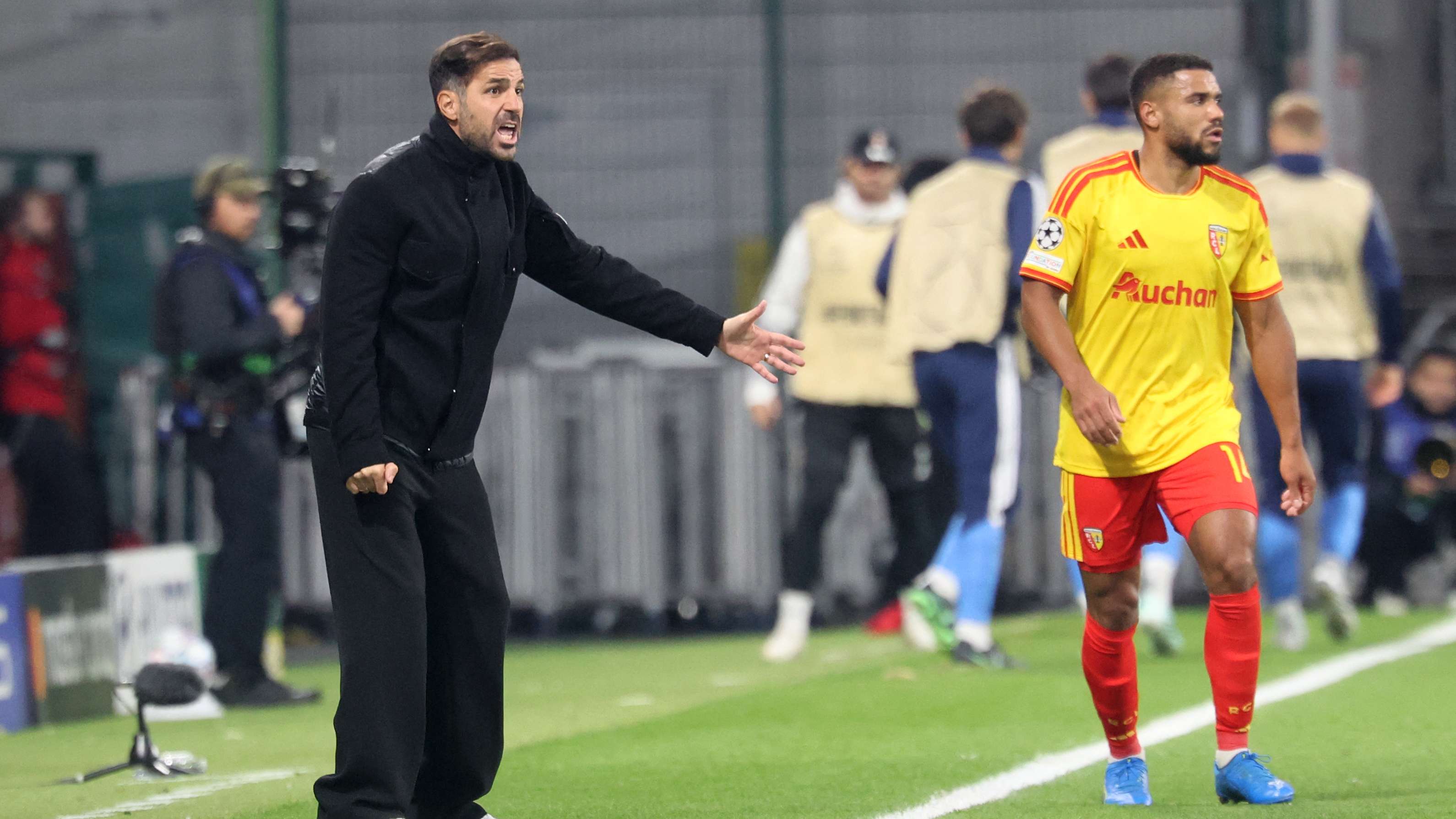
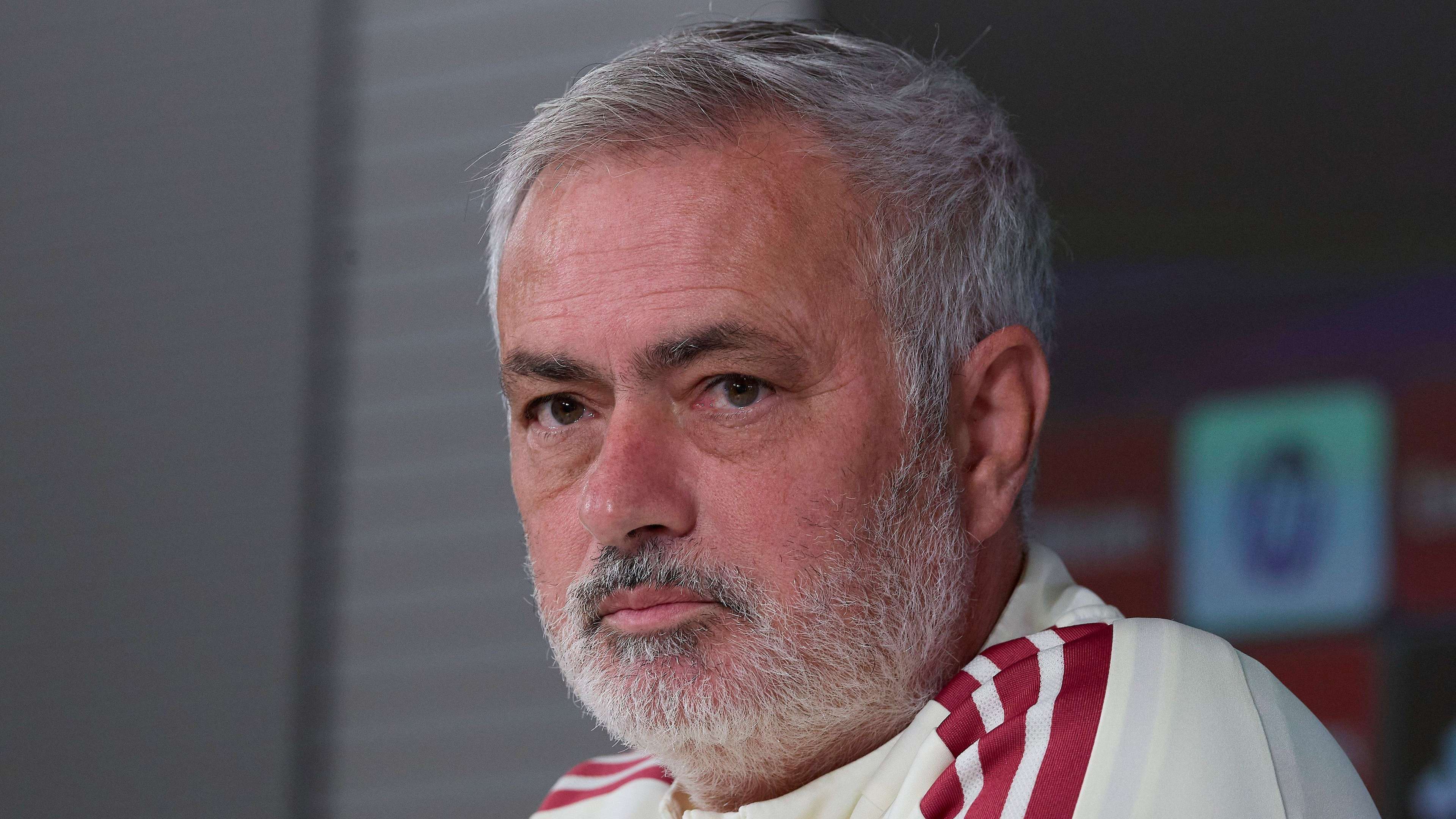
For head coach Amorim, the performance was difficult to defend. After the final whistle, he acknowledged that Milan were not ready to compete on two fronts and said the squad needed to rethink how it approached football and individual matches. His unusually direct comments pointed to more than a tactical problem. They suggested concerns about humility, preparation and the standards expected of players representing one of Europe’s most decorated clubs.
From a Statement Win to a San Siro Letdown
The contrast with Milan’s previous performance made the defeat even harder to understand. Just five days earlier, the Rossoneri had produced an impressive display against Inter, showing the intensity and organization associated with a team capable of challenging at the highest level. Against Ferencvaros, however, that energy was largely absent. Milan struggled to impose themselves, and the visitors appeared to have a clearer plan from the opening stages.
Such sharp swings in performance are a familiar concern for teams balancing domestic and European schedules. A demanding calendar can affect recovery, concentration and squad rotation, but those factors do not fully explain a display that lacked urgency. Milan’s challenge is to identify why a team able to rise to a major derby could look so disconnected in a European fixture only days later.
Amorim made clear that he would not use excuses to soften the criticism. He called for greater humility and said he needed to understand how to change what he described as a “provincial mentality.” The phrase captured the scale of his frustration: Milan must not approach European competition as if its status alone will be enough. Reputation can attract attention, but performances are determined by preparation, discipline and effort.
Who Is Really at Risk at AC Milan?
The immediate spotlight falls on the players, but responsibility for a run of defeats is rarely limited to one group. Amorim must examine his tactical decisions, the team’s preparation and the way he communicates expectations. If Milan continue to produce uneven performances, questions will naturally grow about whether the manager can establish a reliable identity across competitions.
Players, meanwhile, will be judged on their response. The coach singled out Pavlovic as an example, praising his willingness to give everything in training. That public endorsement was also a challenge to the rest of the squad: effort and commitment must become a shared standard, not an exception. When a manager highlights one player after a collective failure, the message is unmistakable. Every member of the team needs to show greater intensity and accountability.
Senior players may face particular scrutiny. Experienced members of the squad are expected to steady the side when a match becomes difficult, demand higher standards on the pitch and help younger teammates maintain focus. If Milan’s problems persist, selection, playing time and even the club’s longer-term plans could come under review. For now, the most important test is whether the players respond with a stronger performance in their next fixtures.
Tactical Questions Behind the Defeat
The result also invites a closer look at how Milan are set up. A team that performs well in a high-profile derby but struggles against a determined European opponent may be relying too heavily on emotion or individual quality. Milan need a structure that holds up regardless of the opponent, venue or competition. That means maintaining compact defensive lines, supporting the player in possession and reacting quickly when the ball is lost.
Ferencvaros’ success underlined the value of a clear, disciplined approach. The Hungarian side took advantage of Milan’s lack of cohesion and played with the confidence of a team that believed it could win. Milan, by contrast, appeared unable to turn possession and reputation into meaningful control. In European football, small lapses can quickly become decisive, particularly when the opposition is organized and prepared to punish mistakes.
Amorim’s remarks about competing on two fronts also raise questions about squad depth and rotation. Managing a busy schedule requires more than changing names in the starting lineup. Players who come into the side must understand their roles, while the team’s overall standards need to remain consistent. If Milan’s level drops whenever the lineup changes or the schedule tightens, the issue may involve both depth and the way the squad is prepared.
What the Next Matches Mean for Milan
Milan’s upcoming fixtures will offer an early measure of whether the defeat was an isolated collapse or part of a deeper problem. The next Serie A match, scheduled for 8 November 2026 at 22:00, brings another opportunity to rebuild confidence and restore a sense of direction. A strong response would not erase the Ferencvaros result, but it could show that the squad has understood the criticism and is capable of acting on it.
Supporters will be looking for more than a win. They will want to see sharper pressing, better communication and a greater willingness to compete for second balls. Milan also need to show composure when opponents apply pressure. These details can reveal whether a team has learned from a poor performance more clearly than statements made after the match.
Football Prediction: Can AC Milan Recover Quickly?
Any football prediction about Milan’s immediate prospects must account for the team’s inconsistency. The performance against Inter suggests the Rossoneri have the quality to compete, while the defeat to Ferencvaros shows that talent alone cannot guarantee reliable results. A quick recovery is possible, especially if the squad responds positively to Amorim’s challenge, but confidence will depend on how effectively the team restores its intensity and tactical discipline.
The broader lesson is that Milan’s European ambitions will be tested by their ability to sustain standards, not simply produce occasional standout performances. The club’s history creates expectations, but it also increases the scrutiny attached to every disappointing result. Amorim has publicly identified commitment and mentality as areas requiring attention. Now the players must provide the answer on the pitch.
For Milan, the Ferencvaros defeat is more than a damaging scoreline. It is a warning that their current level is not dependable enough for a demanding season. The coming matches will help determine who is truly at risk—and whether the Rossoneri can turn a humiliating night at San Siro into the starting point for a more focused, resilient campaign.