
Paolo Di Canio Sees a Clear Plan Taking Shape at AC Milan
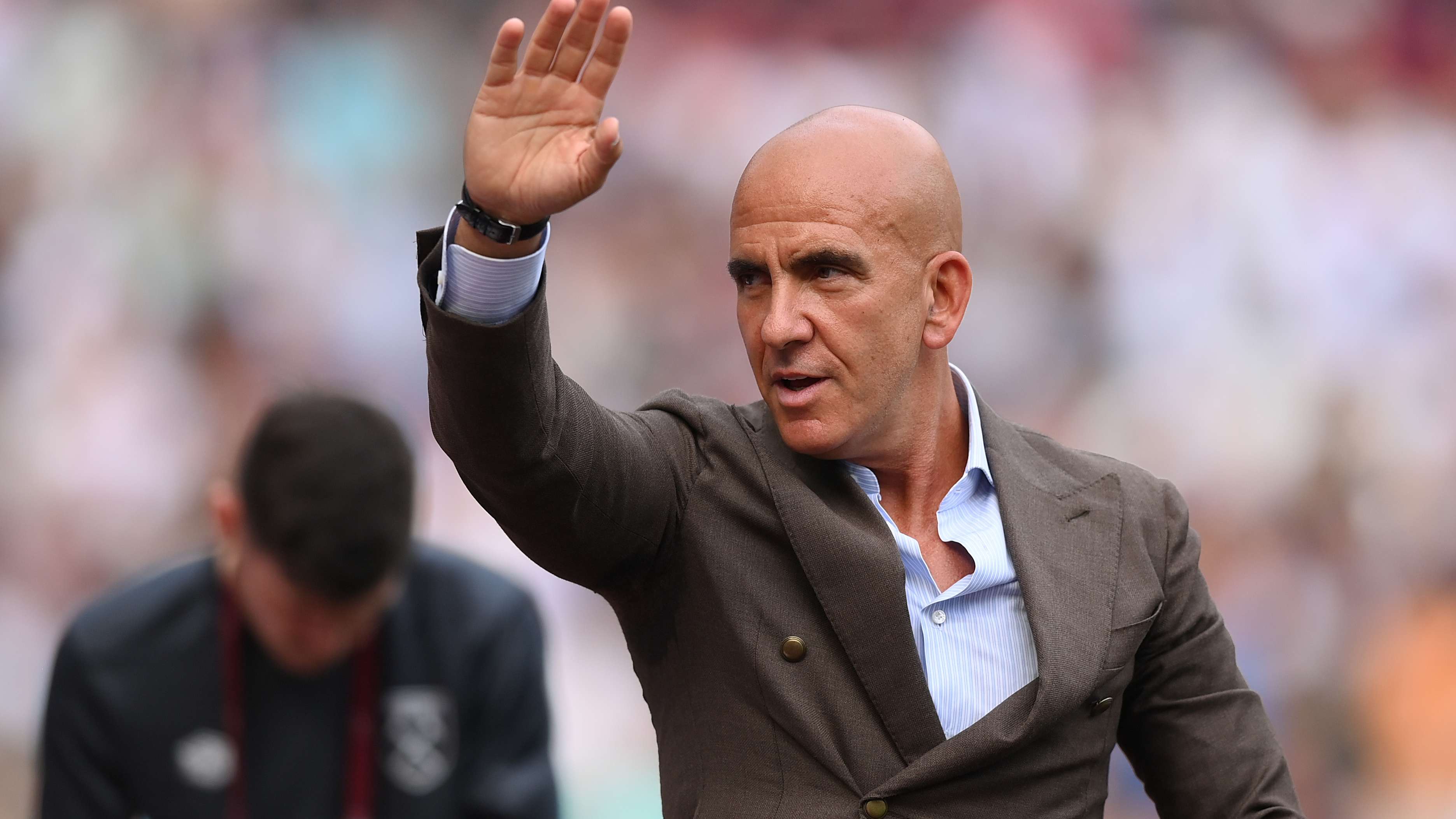
Former Italy international Paolo Di Canio has praised the direction of AC Milan’s early-season work, focusing on the balance the team is trying to build and the impact of its new signings. Speaking on Sky’s Calcio Club after the latest Serie A matchday, Di Canio compared Milan’s approach with the ideas Ruben Amorim had hoped to implement during his time at Manchester United.
In Di Canio’s view, Milan are giving Amorim the opportunity to pursue a more coherent football project—one that combines tactical structure with the pace and energy needed to compete in modern football. He also singled out Diego Moreira, highlighting the young player’s professionalism, confidence and growing influence in matches.
Amorim’s Milan Project Is Built Around Balance
Di Canio described Milan’s current approach as an attempt to find equilibrium across the team. Rather than relying on individual talent alone, the club appears to be working towards a side with a clearer balance between attack and defence, movement and control, and experienced performers and emerging players.
“Amorim is doing at Milan what he wanted to do at United and was not allowed to do,” Di Canio said. He added that the coach is trying to find balance and has brought in players with pace.
The comparison is significant because tactical ideas depend not only on a coach’s preferred system but also on whether the squad has the right qualities to carry it out. A team can struggle to press, transition quickly or defend space if its players are not suited to those demands. Pace, in particular, can help Milan stretch opponents, recover ground after losing possession and create more options when attacking on the counter.
Why pace matters in modern football
Quick players can change the rhythm of a match even when they are not constantly on the ball. Their runs force defenders to drop deeper, opening space for teammates between the lines. When a side wins possession, speed can also turn a defensive recovery into an immediate attacking opportunity.
For Milan, adding pace may therefore be about more than producing highlight-reel runs. It can support a more flexible game plan, allowing the team to press aggressively in some moments and break forward rapidly in others. The challenge is to combine that athleticism with discipline. Fast transitions are most effective when players understand when to advance, when to hold their positions and how to protect the team if an attack breaks down.
Di Canio’s assessment suggests that he sees Milan attempting to create this kind of structure. His comments were not a match prediction or a guarantee of future success; rather, they offered an interpretation of the club’s early-season direction. Whether the approach delivers consistent results will depend on how well the players adapt and how reliably Milan can maintain their balance over a long Serie A campaign.
Diego Moreira Earns Praise for His Attitude
Di Canio also devoted attention to Diego Moreira, whose performances have begun to attract notice. The former forward said the player’s professionalism, seriousness and audacity had surprised him, while pointing to the way Moreira has become increasingly decisive during his appearances.
That praise is notable because young players are often judged on visible moments—goals, assists or successful dribbles—while the less obvious parts of their contribution can be just as important. Di Canio highlighted Moreira’s willingness to run continuously and contribute up and down the pitch, an attribute that can make a player useful in several phases of the game.
His energy may help Milan maintain pressure, support teammates in possession and track opponents when the team is defending. Just as important, Di Canio’s reference to Moreira’s audacity points to a willingness to take responsibility. A player who is prepared to attempt a forward pass, attack space or challenge a defender can add unpredictability to an attack, provided those decisions are matched with sound judgement.
A signing with value for now and the future
Di Canio argued that the money spent on Moreira has been well invested, both for Milan’s present needs and for the club’s longer-term plans. That distinction matters in a competitive league where recruitment must serve more than one purpose. A signing can provide immediate depth while also developing into a more important first-team option over time.
For a young player, progress is rarely a straight line. Regular minutes, coaching and the chance to learn from more experienced teammates can all influence development. Moreira’s growing decisiveness in partial appearances may be an encouraging sign, but consistency will be the next test. He will need to show that his intensity and confidence can translate into reliable contributions against different opponents and in a range of match situations.
What Milan Must Show Next
Di Canio’s comments point to two connected themes: a team seeking greater tactical balance and a young signing beginning to justify the confidence placed in him. Together, they reflect the broader challenge facing Milan—building a squad that can compete immediately while also developing players who may shape the club’s future.
The next step is turning promising qualities into repeatable performances. Milan will need to demonstrate that its pace can be used intelligently, that attacking ambition does not leave the defence exposed and that emerging players can maintain their influence beyond brief spells on the pitch. Those factors will help determine whether the early signs develop into a sustainable identity.
For supporters following the Serie A season, Di Canio’s remarks offer a useful lens through which to assess Milan’s progress. The key question is not simply whether the team has speed or exciting young talent, but whether those strengths fit into a coherent plan. If Amorim can continue to build balance and Moreira can convert his energy into consistent end product, Milan may have important foundations on which to build.