
AC Milan Weigh January Loan Move for Francesco Camarda as Young Striker Seeks Playing Time
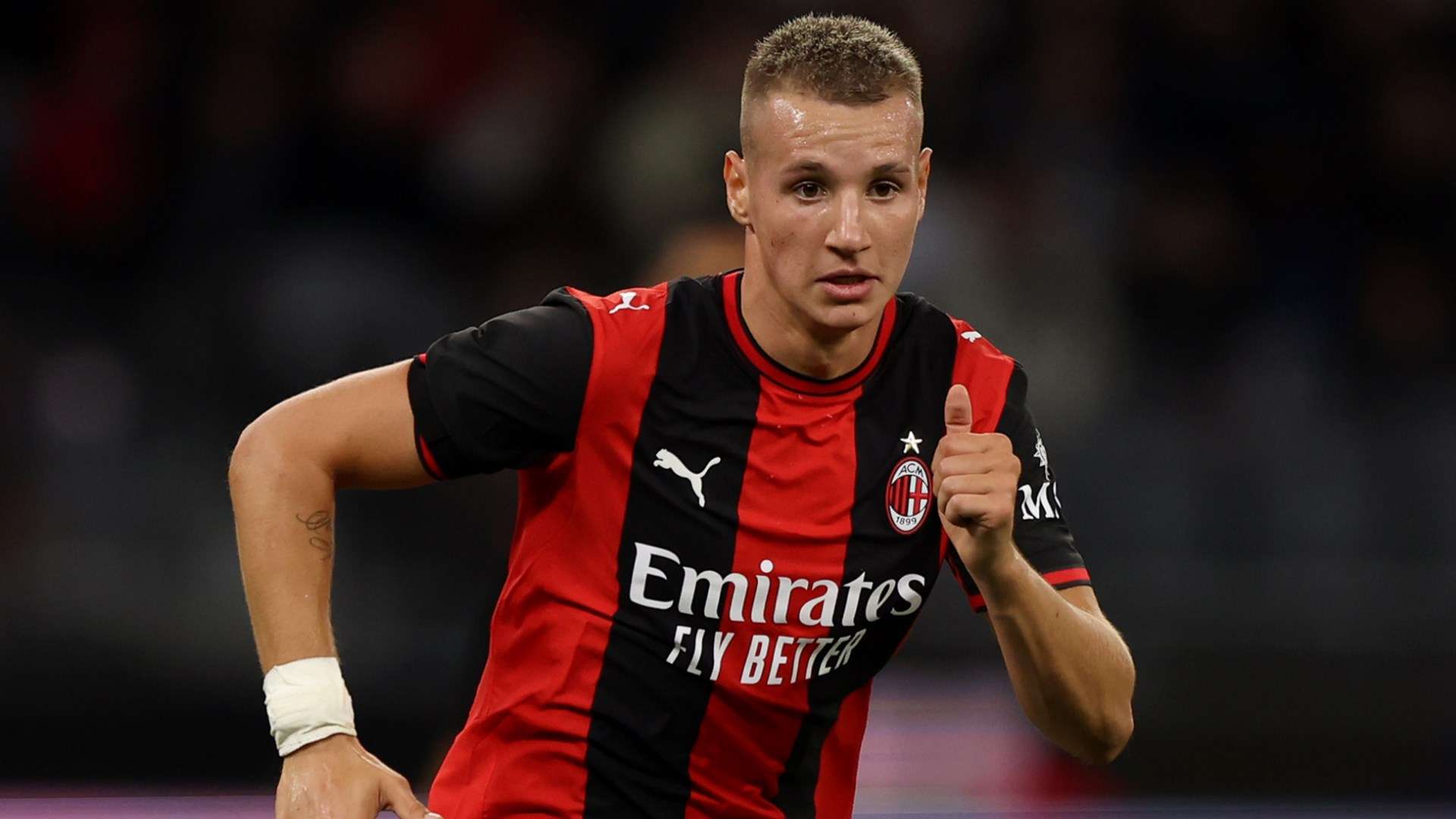
AC Milan are holding serious discussions about Francesco Camarda’s next step, with a loan move in January emerging as the most likely option. The club’s long-term belief in the teenage striker remains strong, but his immediate need is clear: after a difficult period disrupted by injury, he needs regular football to rebuild his rhythm and continue developing.
The potential move would not signal a loss of confidence from Milan. Instead, it could give Camarda the competitive minutes that are difficult to guarantee at a club with ambitions in Serie A and Europe. For a forward still at the start of his career, consistent appearances may be more valuable than remaining in a senior squad without a regular role.
Milan’s Long-Term Faith in Camarda Remains Intact
Milan have made a substantial commitment to Camarda’s future. The club recently extended his contract until 2031, with an option to add another season. Owner Gerry Cardinale was among the central figures behind that agreement, underlining the importance Milan place on the striker’s development and potential.
That long contract offers security for both sides. It gives Milan time to oversee Camarda’s progress without facing immediate pressure to make a permanent decision, while the player can focus on improving rather than speculating about his future. The agreement also reflects the club’s conviction that he could become increasingly important to the first team in the years ahead.
Head coach Ruben Amorim is also understood to retain faith in the young forward. Milan’s challenge is therefore not whether Camarda has a future at the club, but how best to prepare him for it. A carefully chosen loan could serve as a bridge between youth football and the demands of senior competition.
Shoulder Surgery Changed the Development Timeline
Camarda’s progress has been affected by a shoulder injury that required surgery and kept him out for the second half of last season. The interruption came at a crucial stage for a young player seeking to build experience and establish momentum. Even after returning to training, a long absence can make it difficult to regain match sharpness quickly.
Recovery from surgery involves more than returning to full fitness. A forward must rebuild confidence in physical contests, adapt to the speed of senior matches and develop a dependable understanding with teammates. Those elements are best restored through regular competitive action rather than training alone.
That context helps explain why a January loan is being considered. Milan may believe Camarda would benefit from playing in an environment where he has a clearer route to first-team minutes. The right destination could allow him to make mistakes, learn from them and gain experience against experienced defenders—all without changing the club’s wider commitment to his future.
Why a January Loan Could Make Sense
For a developing striker, minutes are essential. Training alongside established professionals can help, but it cannot fully replicate the pressure of starting a match, responding to setbacks or taking responsibility in the final third. A loan could provide the repeated opportunities Camarda needs to turn promise into practical experience.
The choice of club would be critical. Milan would likely want a destination with a suitable style of play, a coach willing to work with young players and a realistic chance of regular involvement. A move to a team that uses a lone striker, for example, may offer fewer openings than one that rotates its forwards or plays with two attackers.
Playing level will also matter. The strongest option is not automatically the club in the most prominent competition. If Camarda spends months on the bench, the move would do little to address his main need. A competitive side with a clear development plan could offer greater value than a more glamorous destination where first-team opportunities are limited.
What Milan and Camarda Could Gain
Milan could benefit from seeing how Camarda responds to senior football over a sustained period. His performances, work rate and adaptation to a new tactical system would give the club useful information as it plans his next stage. A loan can also help the striker return to Milan with greater physical resilience and a stronger understanding of the game.
Camarda, meanwhile, could gain experience that is difficult to obtain at a club competing for major honours. Regular starts would expose him to different defensive approaches and require him to contribute even when goals are not coming. For a centre-forward, learning how to press, link play, create space and remain composed under pressure is just as important as improving finishing.
There are risks, of course. A change of club can bring uncertainty, and a young player may need time to adjust to unfamiliar teammates and expectations. That is why Milan’s selection process will be important. The loan should be built around a genuine sporting plan rather than simply finding a temporary home.
Camarda’s Future: Patience Over Pressure
Camarda has attracted attention because of his potential, but his development should be judged over time rather than by short-term expectations. A long-term contract and continued backing from Milan suggest that the club understands the importance of patience. The next decision is about creating the right conditions for progress, not demanding immediate results.
January could therefore become an important turning point. If Milan agree a loan, the move would give Camarda a chance to recover lost ground after surgery and test himself in a more demanding environment. If he remains at the club, Milan would need to identify another reliable route to playing time.
Prediction: A January loan appears to be the most practical outcome, provided Milan can find a club prepared to give Camarda meaningful minutes. The move would not undermine the faith shown through his contract extension; it could reinforce it by placing his development first. For Milan supporters, the key will be the quality of the destination and the clarity of the plan. Camarda’s long-term future may still be tied to San Siro, but regular football could be the next essential step on that journey.