
AC Milan’s Strong Start Raises Questions About Pressure on Ruben Amorim
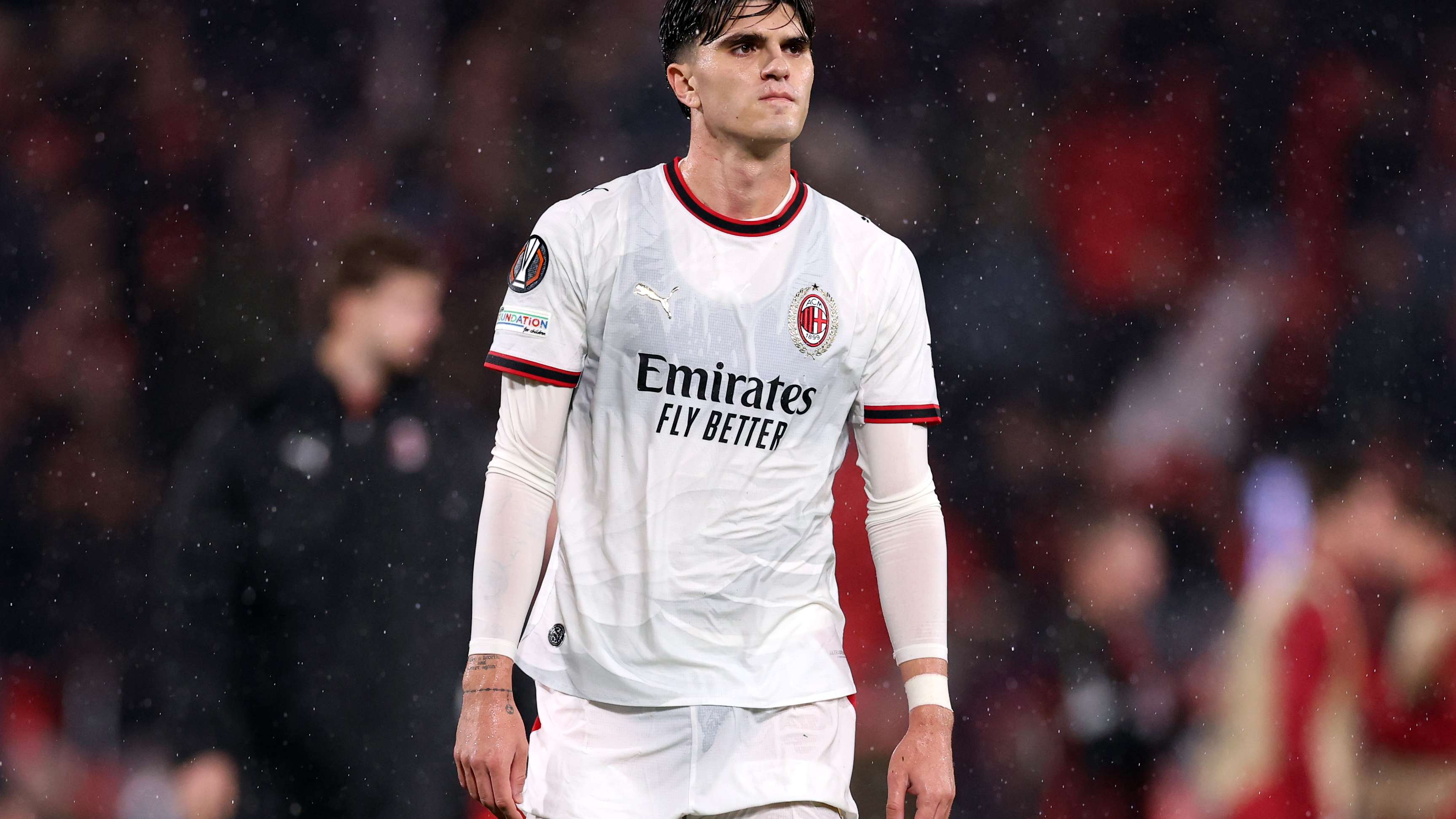
AC Milan have made an impressive start to their league campaign, staying unbeaten through their opening eight matches despite a growing list of injury concerns. With five wins and three draws, the Rossoneri have collected 18 points and sit just four behind leaders Inter. The results have strengthened hopes of a serious title challenge—but they have not stopped debate over head coach Ruben Amorim.
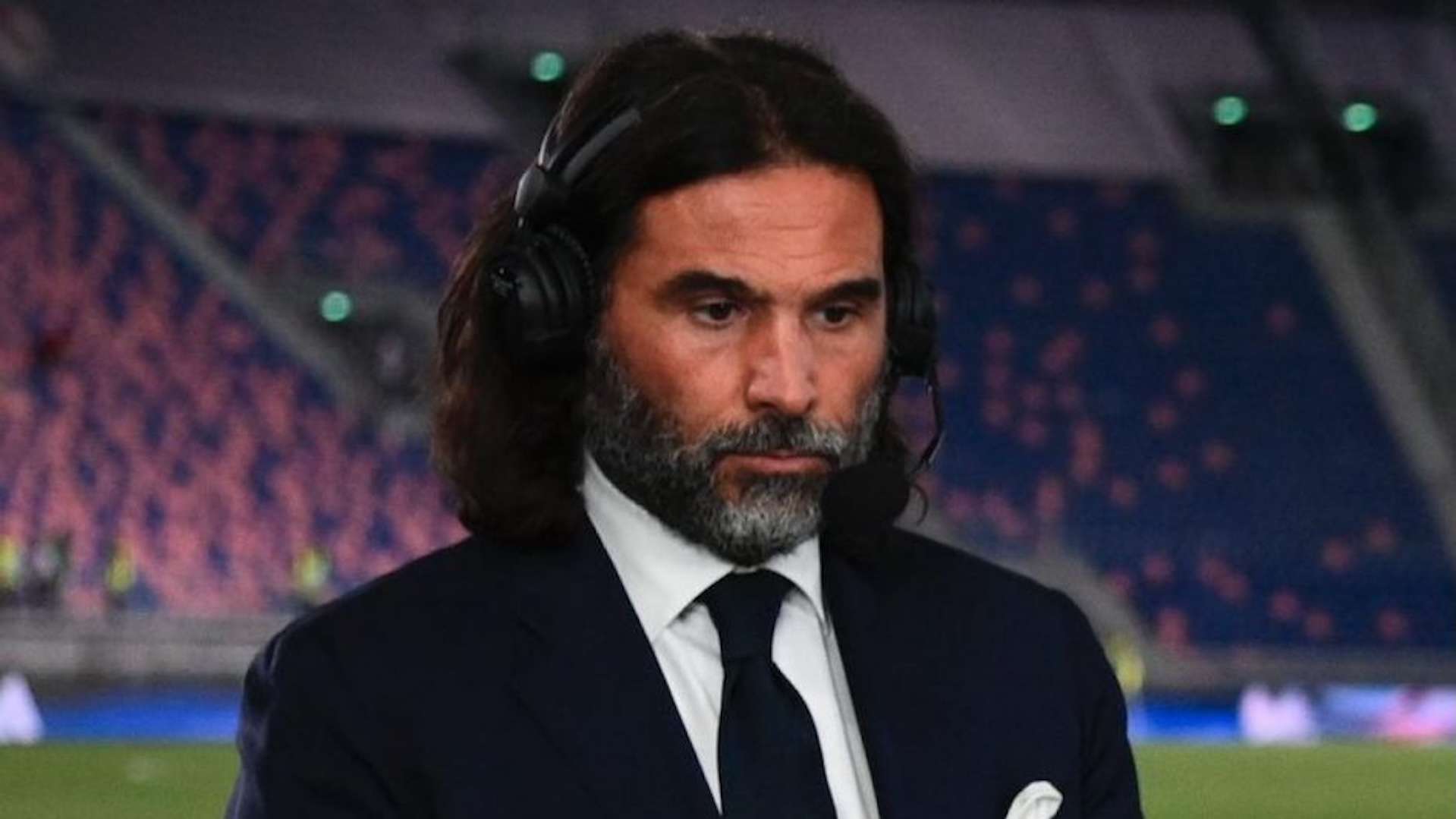
Some supporters remain critical of the Portuguese manager, even as Milan continue to deliver consistent results. That tension was addressed by former footballer and pundit Lele Adani on his programme, Viva el Futbol. Adani urged fans to show patience, describing Amorim as a manager “of the highest calibre” and arguing that his work deserves to be judged over time rather than through individual performances.
Results Offer a Positive Early-Season Picture
An unbeaten record after eight league games is a meaningful achievement, particularly for a team dealing with significant absences. Milan’s five victories have provided valuable momentum, while their three draws have helped them avoid the kind of early setback that can disrupt a title campaign. Their position four points behind Inter also keeps them firmly within reach of the top spot.
League tables can change quickly, especially early in the season, but Milan’s points return gives them a solid platform. Remaining unbeaten is not, by itself, proof that every aspect of a team’s performance is working perfectly. Still, it suggests that the squad has found ways to compete while key players are unavailable—and that is an important test for any coach with ambitions of challenging for silverware.
Injuries Put Amorim’s Management Under the Spotlight
Injuries can affect more than team selection. They may force a manager to alter formations, adjust pressing strategies, or give greater responsibility to younger and less experienced players. When several regular starters are missing, even a strong squad can lose its usual rhythm. Milan’s ability to keep collecting points under those circumstances is therefore a notable part of their early-season story.
For Amorim, the challenge is to maintain balance: protect the team’s results while helping available players adapt to unfamiliar roles. That can mean making practical changes rather than insisting on a preferred system, and finding solutions that preserve Milan’s attacking threat without leaving the defence exposed. The quality of those adjustments may become clearer as the campaign develops and more players return.
There is also a broader consideration for supporters. A coach’s influence is not always captured by a single match or a headline statistic. Training-ground work, squad confidence, tactical flexibility, and the development of players all shape a team’s progress. Milan’s unbeaten start provides evidence of resilience, although the pressure on Amorim shows that performances and expectations remain under close scrutiny.
Why Adani Is Calling for Patience
Adani’s defence of Amorim centres on the idea that a manager of proven ability should be given time to build. Football supporters naturally want immediate success, particularly at a club with Milan’s history and ambitions. But frequent changes in expectations—or in leadership—can make it harder for a team to establish a clear identity.
Patience does not mean ignoring poor performances or accepting results without question. Rather, it means assessing a coach across a meaningful stretch of matches and considering the circumstances behind the team’s displays. Injuries, fixture demands and the time required for players to understand a tactical approach can all influence what happens on the pitch. Adani’s comments suggest that Amorim should be evaluated in that broader context.
The discussion also reflects the different standards applied to Milan. A solid start may satisfy some observers, while others will expect more convincing performances and a stronger challenge for first place. When Inter are setting the pace, every dropped point can feel significant—even if Milan remain unbeaten and close enough to apply pressure.
What Milan Must Show Next
The next phase of the season will offer a clearer test of both Milan’s squad depth and Amorim’s methods. If the injury situation improves, the coach will need to reintegrate returning players without disrupting the combinations that have helped the team earn points. If absences continue, Milan must demonstrate that their current resilience is sustainable rather than a short-term response.
Consistency will be crucial. Milan will need to turn draws into wins where possible, maintain defensive concentration, and keep producing chances against opponents who defend deep. Their ability to manage difficult away fixtures and demanding stretches of the schedule could be just as important as results in high-profile matches. These factors will shape any realistic prediction about their title prospects.
For supporters weighing up Milan’s football outlook, the early evidence is encouraging but not conclusive. Five wins and three draws represent a strong foundation, and the four-point gap to Inter leaves the Rossoneri well positioned. Yet the season is long, and the standings will depend on how effectively Milan handle injuries, pressure and tougher fixtures.
A Promising Start, With Plenty Still to Prove
AC Milan’s unbeaten league run has given Amorim a persuasive case for time, even as criticism continues. The team are earning results in difficult circumstances, and their proximity to Inter keeps the title race firmly within view. Adani’s call for patience adds an important perspective: judging a manager requires more than reacting to one result or one tactical decision.
Ultimately, Milan’s progress will be measured by what they do from here. If they maintain their points pace, recover important players and show greater consistency, the pressure around Amorim may ease. For now, the Rossoneri have delivered a strong opening chapter—one that offers optimism, invites scrutiny and sets up an intriguing season of Italian football.