
Iraq Denies Contact With Hossam Hassan Over National Team Coaching Job
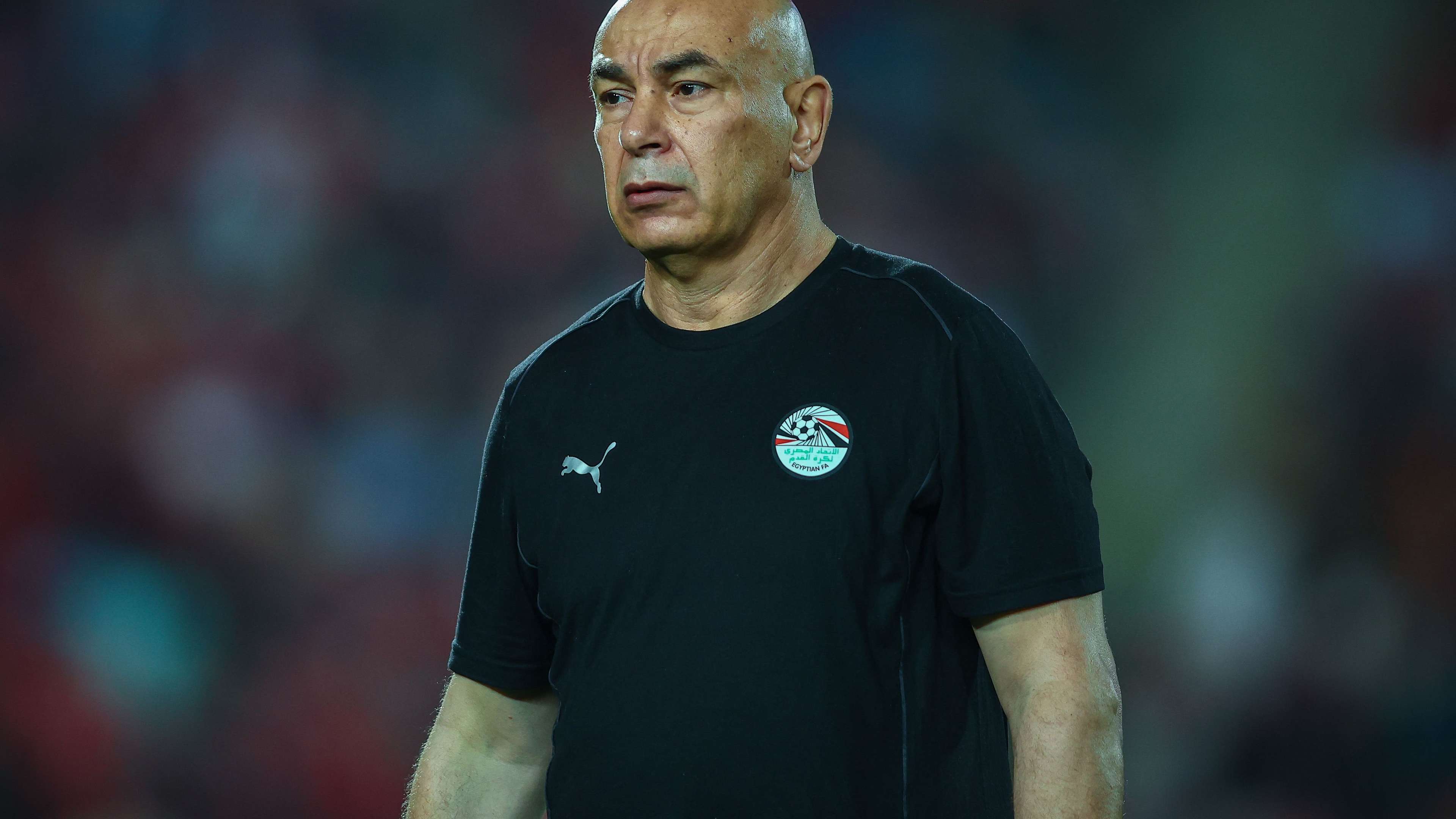
The Iraqi Football Association has rejected reports linking former Egypt head coach Hossam Hassan with the vacant Iraq national team position, saying no discussions or negotiations have taken place. The statement puts an end—for now—to speculation that the Egyptian coach could begin a new chapter in international football in Iraq.
Ahmed Al-Mousawi, a member of the Iraqi Football Association, said the possibility of appointing Hassan had not been raised with the coach or formally considered by the association. His comments directly contradicted reports suggesting Hassan had turned down an approach from Iraq.
“Hossam Hassan did not reject any talks with him regarding coaching the Iraqi national team, because the matter was not put to him in the first place,” Al-Mousawi told the Modern MTI channel. “No negotiations took place between the Iraqi Football Association and Captain Hossam Hassan.”
Al-Mousawi added that the association had made no effort to sign the former Egypt coach and described the circulating claims as baseless. The clarification is significant because it distinguishes between a reported rejection and the association’s account: according to Iraq, there was no offer for Hassan to accept or decline.
Rumours of a move to Iraq put to rest
Speculation about Hassan’s next step gathered attention after his departure from the Egyptian national team. With Iraq looking to strengthen its coaching setup and Hassan among the region’s best-known football figures, a potential appointment appeared plausible to some observers. However, the Iraqi association’s public denial provides no evidence that talks ever advanced beyond media reports.
For Iraq, the immediate focus is likely to remain on identifying a coach who can meet the team’s competitive ambitions and guide its next phase. Any appointment would need to fit the association’s plans for player development, tactical direction and performance in upcoming international fixtures. Until officials announce a candidate or confirm negotiations, predictions about the next coach should be treated cautiously.
The episode also highlights how quickly coaching rumours can spread in international football, particularly when a high-profile manager becomes available. A vacancy, a familiar name and a national team seeking progress can create an appealing story, but the Iraqi association’s statement makes clear that, in this case, the reported link was not backed by negotiations.
Hassan’s eventful spell with Egypt
Hassan took charge of Egypt in February 2024 and led the Pharaohs through a period of major expectations. His tenure included qualification for the 2026 World Cup, a landmark achievement for the national side. Egypt also reached the round of 16 at the tournament for the first time, giving supporters a notable result on the global stage.
Those achievements made his departure particularly striking. Egypt had extended Hassan’s contract until 2030 last September, suggesting that the federation intended to maintain continuity. Yet his time in charge ended only a few weeks later, with Ali Maher taking over the team’s technical leadership.
The abrupt change raised questions about what had happened behind the scenes. Reports in the final stretch of Hassan’s tenure described tension involving members of the squad, with Mohamed Salah and goalkeeper Mohamed El-Shenawy among the players mentioned. Such reports added to the scrutiny surrounding the team, although they should not be treated as confirmation of the reasons for the coaching change.
Disciplinary issues and pressure around the team
Hassan’s final period with Egypt was also affected by disciplinary developments. FIFA imposed a three-match suspension on Hassan and his brother Ibrahim Hassan, who served as the national team’s manager, following an incident involving Argentina at the World Cup. The sanction added another challenge to an already difficult period for the coaching staff.
Alongside football-related pressures, the original reports also referred to family crises. Taken together, these circumstances created a complicated backdrop to Hassan’s departure. They help explain why attention has remained on his future, but they do not establish that he is preparing to take another international job.
For Egyptian supporters, the key questions now concern how Ali Maher will build on the team’s recent progress and maintain its competitiveness. Reaching the 2026 World Cup and advancing to the round of 16 set a high benchmark. The next coaching phase will be judged not only by results, but also by how effectively the squad handles the expectations that come with those achievements.
What the Iraq coaching prediction means
At this stage, there is no confirmed connection between Hassan and the Iraq job. The Iraqi Football Association has explicitly denied negotiations, so any prediction that he will become the team’s next coach would be premature. The situation could change if the association later opens talks or announces a shortlist, but no such development has been confirmed.
The broader story is a reminder that coaching appointments involve more than a coach’s reputation. National associations typically consider experience, tactical fit, contract terms, long-term planning and the demands of the team’s schedule before making a decision. For Iraq, those factors will shape the search more than speculation surrounding any one candidate.
For now, the clearest update is also the simplest: Iraq says it did not approach Hossam Hassan. His departure from Egypt has prompted discussion about his next move, but the reported link to the Iraqi national team has been firmly denied. Until either side provides new information, football fans should separate verified statements from transfer-style rumours and wait for an official announcement.