
Johan Derksen Criticizes Wout Weghorst’s Post-Match Prayer After FC Twente-Ajax Draw
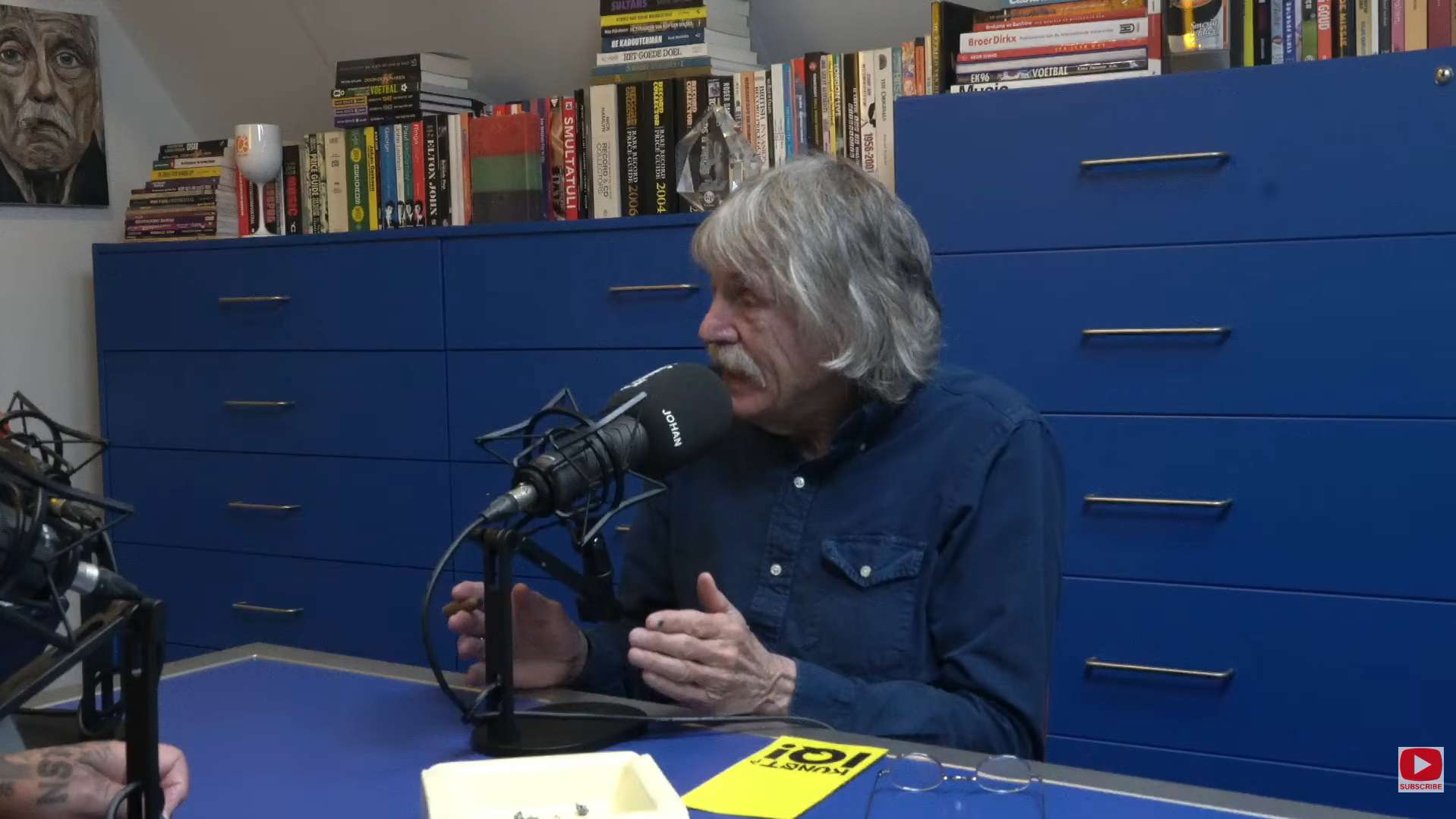
Wout Weghorst’s late penalty secured FC Twente a dramatic 2-2 draw against Ajax, but the striker’s actions after the final whistle soon became a talking point of their own. Weghorst prayed on the pitch alongside Ajax forward Tolu Arokodare, prompting a sharp response from Dutch pundit Johan Derksen on the Groeten uit Grolloo podcast.
The result, the penalty and the prayer gave the high-profile Eredivisie fixture several layers of drama. While supporters debated the match’s decisive moments, Derksen focused on what he viewed as a conspicuous display of faith. His comments have added a wider discussion about religion, privacy and public attention in professional football.
Derksen questions the timing and visibility of the prayer
Speaking on Monday, Derksen described Weghorst’s conduct as increasingly unusual and said the prayer had come close to what he called “religious fanaticism.” He argued that praying with an opponent immediately after a major match was not typical behaviour for a Dutch footballer, particularly when it took place in such a visible setting.
Derksen also suggested that Weghorst knew cameras would capture the moment and that the images would be widely circulated. In his view, the setting made the prayer appear less private and more like a deliberate public gesture. He said Weghorst was making a “great show” of his faith and questioned whether religion was being used for publicity.
At the same time, Derksen acknowledged that Weghorst is free to hold and practise his own beliefs. His criticism was directed at the way the moment unfolded, rather than at the striker’s right to be religious. That distinction has become central to the discussion: some viewers may see the prayer as a sincere expression of belief, while others may interpret its timing as performative.
A debate about faith in professional football
Podcast presenter Romke Hoogstra noted that players in the Netherlands national team also pray, though often away from cameras. Derksen responded that those examples were different because, as he described them, they did not involve praying at the centre spot with an opponent immediately after a match.
Derksen went on to say he believed the moment had been planned. He concluded that faith should not be used as a vehicle for publicity. His comments were forceful, but the episode raises a broader question that regularly surfaces in elite sport: where does personal expression end and public performance begin?
Footballers live under constant scrutiny. Broadcast cameras follow them before, during and after games, and a brief gesture can quickly become a headline or a viral clip. A prayer, a celebration or a conversation on the pitch may carry a different meaning for the people involved than it does for viewers watching from the stands or online. Without knowing the players’ intentions, public interpretations remain just that—interpretations.
The exchange between Weghorst and Arokodare also showed how religious expression can cross club boundaries. The two forwards were opponents during a tense fixture, yet shared a moment after it. For some fans, that could represent mutual respect and a personal connection beyond the result. For others, the prominent setting may invite questions about whether the gesture was intended for the cameras.
Late penalty changes the match prediction
The prayer attracted attention partly because the match itself ended in a dramatic fashion. Ajax appeared poised to leave FC Twente’s Grolsch Veste with a 1-2 victory, having held the advantage deep into stoppage time. The visitors’ hopes of taking all three points were overturned when Lucas Rosa pulled Ramiz Zerrouki’s shirt inside the penalty area.
Referee involvement and the resulting decision gave Weghorst the chance to equalise from the spot. The striker converted, rescuing a point for Twente and ensuring the contest finished 2-2. The late goal changed the immediate match prediction for anyone expecting Ajax to close out the win, while also giving Weghorst a pivotal role in the game’s outcome.
For Twente, the penalty was a valuable response after facing the prospect of defeat at home. For Ajax, the incident meant a promising away performance ended without the full reward. In a league where points can have a significant impact on the standings, a stoppage-time equaliser can matter well beyond the emotions of one afternoon.
Weghorst’s influence extends beyond the scoreline
Weghorst is often a focal point because of his intensity, direct style and willingness to take responsibility in decisive moments. Converting a pressure penalty against Ajax reinforced his importance to Twente on the day. Yet the post-match discussion shifted attention from his finishing to his conduct, illustrating how quickly a football story can move from tactics and results to personality and public image.
That shift is familiar in modern football coverage. A player’s actions are assessed not only for their impact on the pitch but also for what they may communicate off it. Supporters, analysts and broadcasters can reach sharply different conclusions from the same short clip. In this case, Derksen’s criticism has ensured that the prayer will be discussed alongside the late penalty and the 2-2 result.
Whether Weghorst intended the moment to attract attention cannot be established from the footage alone. What is clear is that the prayer became part of the match’s wider story, and that Derksen believes its visibility was deliberate. The incident has therefore opened a debate about sincerity, privacy and religion in football—one that is unlikely to have a single answer.
What happens next?
The immediate sporting focus will return to FC Twente and Ajax as both clubs continue their league campaigns. For Twente, Weghorst’s late equaliser provides a reminder of his ability to influence close games. Ajax, meanwhile, will have to consider how a promising lead slipped away in the final moments.
Beyond the result, the episode highlights the pressures faced by players whose actions are instantly recorded and interpreted. A moment of faith can be meaningful to those taking part, while also becoming a subject of public debate when it occurs in front of cameras. Derksen has made his position clear; supporters will continue to form their own views about Weghorst’s intentions and the place of religious expression in professional football.