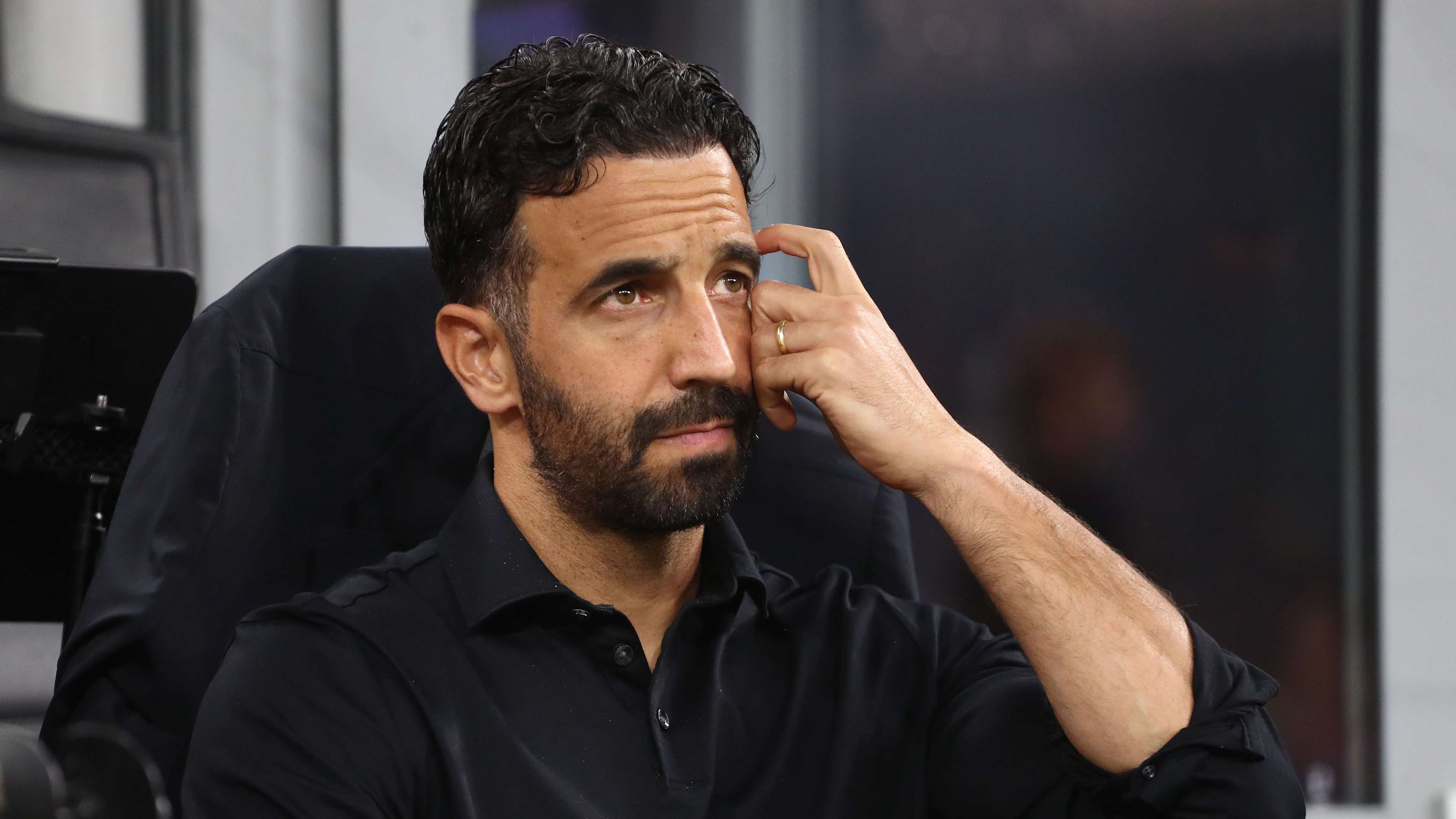

Ruben Amorim’s Tactical Evolution: From Manchester United Challenges to AC Milan’s Promising Future
In the dynamic world of professional football, tactical flexibility often distinguishes successful managers from those who struggle to adapt. Ruben Amorim, a highly regarded Portuguese coach known for his innovative approaches, has recently made significant strides in refining his managerial philosophy. Having experienced a challenging 14-month stint at Manchester United, Amorim openly reflects on the lessons learned and is now channeling that knowledge into his current role at AC Milan, where he is carving out a promising path marked by strategic evolution and promising results.
Reflecting on Past Challenges: The Manchester United Era
During his tenure at Manchester United, Ruben Amorim faced the daunting task of implementing his tactical vision within the high-pressure environment of one of Europe’s most storied clubs. His approach, characterized by a proactive, attacking style with an emphasis on possession and fluid attacking movements, initially generated optimism among fans and analysts alike. However, the reality of managing at a club with immense expectations and complex squad dynamics soon exposed areas where tactical stubbornness proved costly.
Amorim openly admits that some of his stubbornness in sticking to certain tactical principles—such as rigid formations and specific pressing strategies—may have limited his effectiveness during that period. The inability to adapt swiftly to the evolving nature of matches and opponents’ tactics resulted in a series of setbacks and a rough learning curve. As he reflects on that chapter, Amorim emphasizes the importance of tactical flexibility as a critical component for success at the highest level of football.
Transition to AC Milan: Embracing Flexibility and Innovation
Since taking the helm at AC Milan, Ruben Amorim has demonstrated a clear shift in his coaching philosophy. Recognizing the necessity of adaptability, he has worked meticulously to tailor his tactical system to better fit the strengths and weaknesses of his current squad. This transition underscores his growth as a manager, moving away from rigid systems towards a more versatile and responsive approach.
In his debut Serie A season, Amorim’s AC Milan side has enjoyed an impressive unbeaten start. This remarkable run is not merely a testament to player quality but also reflects the tactical maturity and strategic flexibility Amorim has cultivated. His ability to read matches, adjust formations, and implement in-game tactical shifts has been instrumental in securing positive results against a variety of opponents.
Strategic Adaptations: How Amorim Is Shaping Milan’s Football Philosophy
One of the key elements of Amorim’s evolution is his willingness to experiment with different formations and pressing schemes. While his signature style previously revolved around a high-intensity pressing game and possession dominance, he now incorporates situational tactics tailored to specific opponents and match contexts.
For example, against defensively disciplined teams, Amorim has employed more compact formations, emphasizing quick counter-attacks and disciplined defensive organization. Conversely, in matches where his team has a technical advantage, he encourages expansive play and fluid positional movements, leveraging the creative talents of his squad. This tactical diversity has made AC Milan a more unpredictable and resilient side, capable of adjusting to the flow of the game.
Implications for Football Prediction and Future Outlook
The tactical evolution of Ruben Amorim at AC Milan has significant implications for football prediction models and betting insights. As he moves away from rigid systems towards a flexible, context-sensitive approach, analysts and fans can expect more nuanced predictions of match outcomes. This adaptability increases the unpredictability of Milan’s performances, making betting predictions more complex but also potentially more rewarding for those who understand the tactical nuances.
Looking ahead, Amorim’s strategic flexibility positions AC Milan as a formidable contender in Serie A and potentially in European competitions. His ability to read the game and make tactical adjustments on the fly enhances his team’s chances of overcoming stronger opponents and achieving long-term success.
Additional Context: Ruben Amorim’s Coaching Philosophy and Broader Impact
Ruben Amorim’s coaching journey exemplifies the importance of continuous learning and adaptation in football management. His initial stubbornness at Manchester United served as a valuable lesson, reinforcing that even the most innovative managers must remain open to change. His current success at AC Milan highlights how embracing tactical flexibility can lead to better team performance, increased resilience, and sustained competitiveness.
Moreover, Amorim’s evolution is inspiring for aspiring coaches and seasoned professionals alike, illustrating that tactical rigidity can hinder progress, while adaptability fosters growth and innovation. His approach aligns with modern football trends, where tactical diversity and in-game flexibility are increasingly vital for success.
Conclusion: A New Chapter in Ruben Amorim’s Football Prediction Journey
As Ruben Amorim continues to develop his tactical philosophy at AC Milan, the football community watches with keen interest. His journey from a manager who struggled with adaptability to one who now masters the art of tactical fluidity embodies the essence of modern football management. For fans, analysts, and bettors interested in football prediction, Amorim’s evolving approach adds a layer of complexity and excitement to upcoming matches.
With an impressive unbeaten start in Serie A and a clear commitment to tactical innovation, Ruben Amorim is poised to leave a lasting mark on Italian football. His story underscores that success in football often depends on the ability to adapt, learn, and evolve—principles that are shaping the future of football prediction and strategic planning across the sport.