
Brahim Díaz Sees a Chance to Reclaim His Real Madrid Place
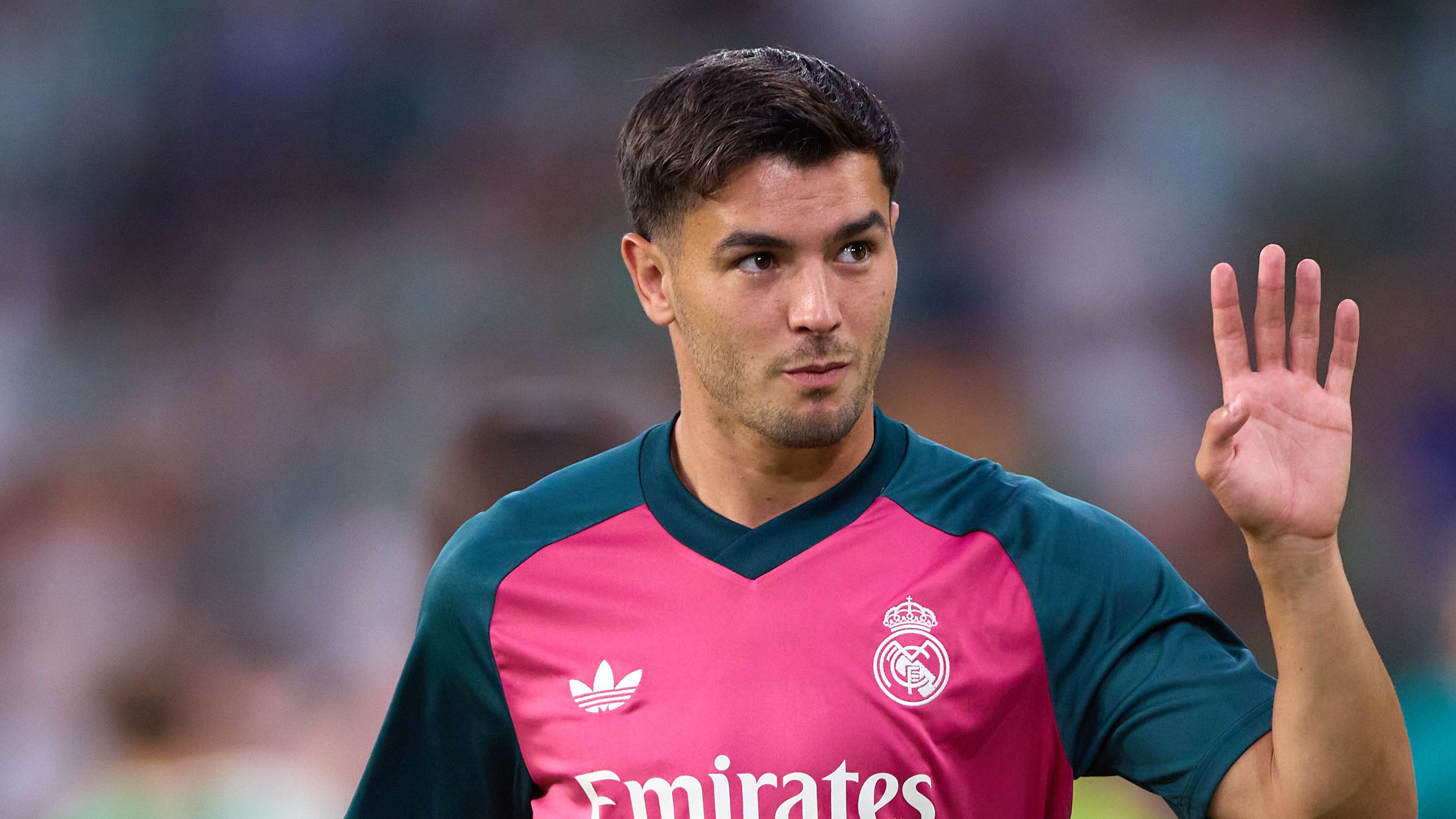
Brahim Díaz is facing a challenging stretch at Real Madrid, where persistent muscular discomfort has coincided with a sharp reduction in his playing time. Yet the Morocco international has continued training and remains available for selection, keeping himself in contention as the club weighs its attacking options. With Vinícius Júnior set to miss La Liga matches through suspension, Díaz may have an opportunity to push his way back into the team.
According to Spanish newspaper AS, Díaz has been dealing with the muscular pain for an extended period. The problem remains uncomfortable, but it has not prevented him from working normally with his teammates or made him withdraw from matchday availability. He has continued to prepare as usual, determined to stay connected to the squad rather than let the issue disrupt his season.
That persistence matters at a club where competition for attacking places is intense. Real Madrid have several players capable of operating behind the main striker, and form, fitness and tactical requirements can quickly reshape the pecking order. Díaz’s readiness to contribute gives the coaching staff another option—but his recent minutes show that he still has ground to make up.
A Standout Performance Against Inter Milan
Díaz’s strongest display of the campaign came against Inter Milan, despite the muscular discomfort already affecting him. He helped create Real Madrid’s opening goal, finished by Kylian Mbappé, and produced a moment of skill that nearly became one of the match’s most memorable highlights. Jude Bellingham was unable to convert the chance that followed, but the move underlined Díaz’s ability to unlock a defence with close control and quick decision-making.
His overall contribution was equally impressive. Díaz created four chances and completed 15 passes in the final third, leading Real Madrid in both categories. He also won five of his nine duels, showing that his influence was not limited to possession. The performance offered a reminder of the creativity and energy he can bring when given a prominent role.
He played 79 minutes in the 2-1 victory over Inter. Since then, however, his involvement with the Madrid first team has been extremely limited. His only appearance in the subsequent run of matches came against Elche on 15 September, when he played 22 minutes and joined the celebrations after Asencio scored a late winner in a 3-2 victory.
Minutes have been difficult to find
Díaz was not involved against Atlético Madrid, Villarreal or Roma, while he received no playing time against Rayo Vallecano. The sequence has left him without a Real Madrid appearance for 32 days, a dramatic contrast with the impact he made against Inter. For a player eager to establish himself, such a spell can make it harder to maintain rhythm and strengthen his case for regular selection.
His situation also highlights the challenge of balancing availability with physical management. Díaz has not missed a match specifically because of the discomfort, but the coaching staff must still consider the risk of asking him to carry a heavy workload. A gradual return to more substantial minutes could be the most practical route, particularly if the problem has not fully eased.
Morocco managed his workload carefully
Díaz’s international break with Morocco provided a different picture. He was given a role as the team’s number 10, but the national-team staff planned his involvement carefully to account for his muscular issue. He sat out the first of Morocco’s three fixtures, including the meeting with Gabon, before returning in a controlled way.
He started against Lesotho in an Africa Cup of Nations qualifier and helped Morocco secure a 2-0 win. Díaz scored the opening goal in the 45th minute, then made way for Soufiane Rahimi in the 69th, following the plan to limit his exposure. In Morocco’s 1-1 friendly draw with Mali, he played 22 minutes—enough to retain some match sharpness while avoiding an unnecessarily demanding workload.
The international appearances suggest that Díaz remains capable of contributing when managed with care. They also give Real Madrid useful information about his current condition: he can play, but a measured approach may be important as he works toward a more consistent role.
Endrick and Vinícius change the attacking picture
Díaz’s competition has grown with the emergence of Endrick, who impressed from the right side during Real Madrid’s dramatic comeback against Roma at the Olympic Stadium. That is a significant detail because the Brazilian occupied an area Díaz has often been asked to cover. Endrick’s performance gives the coaching staff another credible option and increases the need for Díaz to make an impact when opportunities arrive.
At the same time, Vinícius Júnior’s absence could open a short-term route into the lineup. The Brazilian is due to miss La Liga action through a four-match suspension, with his return to the competition expected on 21 November. His absence does not automatically guarantee Díaz a starting place, but it creates room for adjustments across the forward line and the attacking positions behind the striker.
Other players, including Arda Güler and Diomande, are also part of the selection equation. Real Madrid’s choices will depend on the opponent, the team’s tactical shape and the fitness of those available. In that environment, versatility can be valuable: Díaz can offer creativity between the lines, carry the ball into dangerous areas and contribute from wide positions.
A chance to influence the next phase of the season
The key question is whether Díaz can turn availability into meaningful playing time. His performance against Inter demonstrated that he has the quality to shape a match, while his work with Morocco showed that he can still contribute despite the discomfort. But with Endrick making a strong impression and several attacking players competing for minutes, a return to the starting XI will require more than patience.
For Real Madrid, the priority will be finding the right balance between using Díaz and protecting his fitness. For the player, the immediate task is to remain ready and make the most of any opportunity—whether as a starter or from the bench. Vinícius’s suspension may shift the competition, but it does not settle it.
Any football prediction about Díaz’s role should therefore remain cautious. His recent lack of minutes points to a difficult position, while his international contribution and standout display against Inter offer reasons for optimism. If his muscular pain becomes manageable and he earns the trust of the coaching staff, the coming fixtures could provide a valuable opening to re-establish himself in Real Madrid’s plans.