
Argentina Take FIFA Sanctions to CAS After World Cup Final Fallout
The dispute over discipline following the 2026 World Cup final has entered a new stage, with the Argentine Football Association (AFA) preparing to challenge FIFA’s sanctions at the Court of Arbitration for Sport (CAS). The appeal concerns penalties imposed after disorder broke out following Argentina’s extra-time defeat to Spain, including a lengthy suspension for midfielder Leandro Paredes and a substantial fine for the association.
French broadcaster RMC Sport reported that the AFA confirmed its intention to take the case to the Lausanne-based sports tribunal on Saturday. The move follows a decision by FIFA’s appeal committee to uphold the sanctions against Paredes and the federation. By turning to CAS, Argentina is seeking an independent review of the disciplinary rulings and a chance to contest their legal and factual basis.
How the final turned into a disciplinary dispute
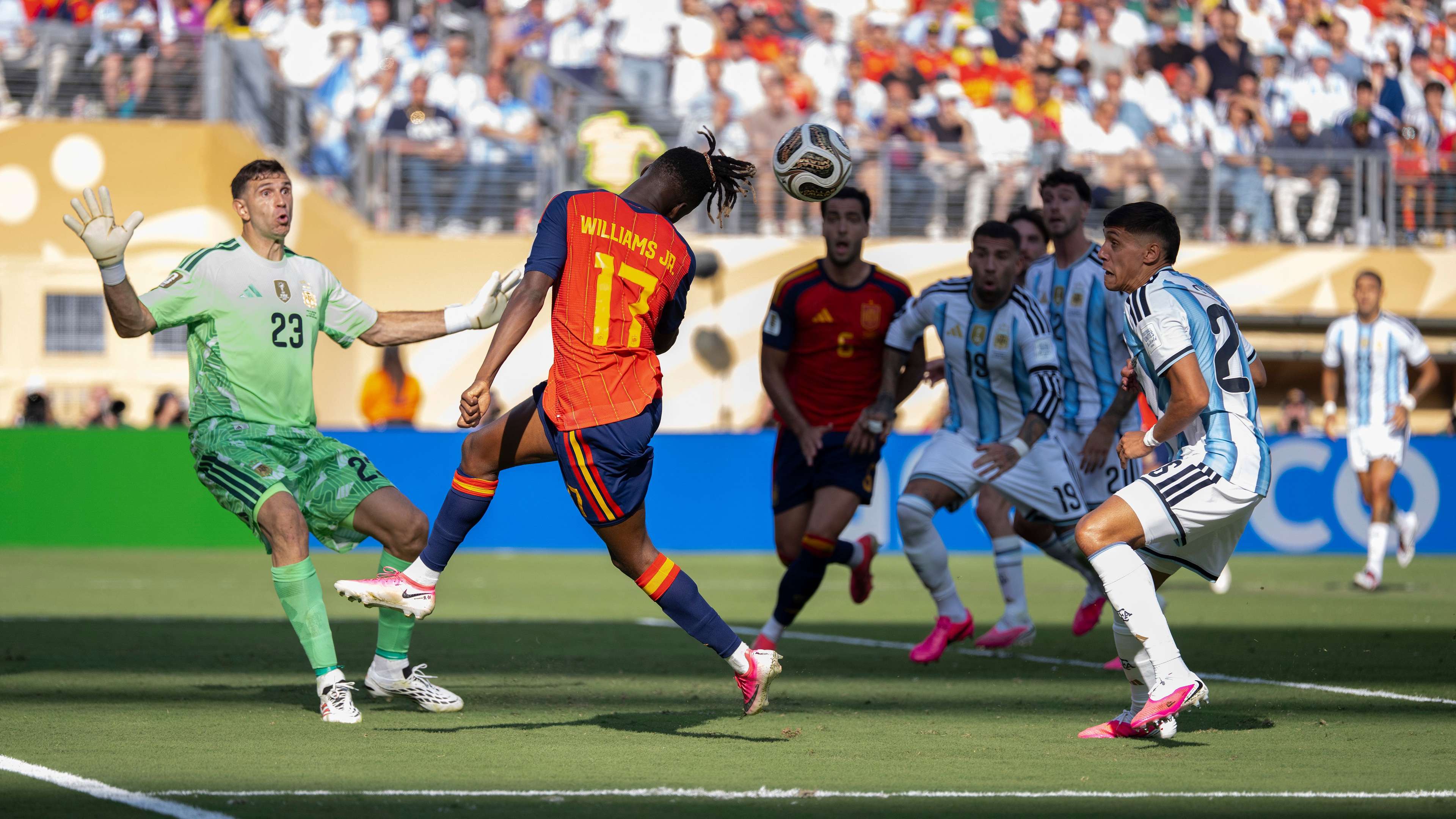
Argentina lost the final 1-0 to Spain after extra time. The match’s aftermath, however, was marked by confrontations involving players and members of both coaching staffs. FIFA subsequently reviewed the incidents and issued penalties against several people connected with the Argentine team, as well as the AFA itself.
Paredes became the central figure in the disciplinary proceedings. He was accused of assaulting Spanish defender Eric García, bringing him to the ground and grabbing him by the neck, before becoming involved in a separate clash with Gavi. FIFA charged the Argentine midfielder with three disciplinary offences, the highest number recorded among the players involved in the incidents.
The resulting sanction was a 10-match ban. That suspension could have a significant effect on Argentina’s plans, depending on how the timing of the ban is applied and which fixtures count toward it. For a national team preparing for upcoming matches and future competitions, the absence of an experienced midfielder may influence selection, squad balance and tactical options.
AFA says it will defend the player and the association
In its statement, the AFA said it would take the steps necessary to protect the rights of both Paredes and the association. Its first move is to request the full reasoning behind FIFA’s decisions. Once it has received those grounds, the federation intends to file its appeal with CAS.
The association has indicated that it believes it has sufficient factual and legal arguments to challenge the penalties. That does not guarantee the sanctions will be overturned: CAS will assess the case based on the evidence, the applicable rules and the arguments presented by both sides. The appeal could seek to reduce or reverse specific penalties, although the precise remedies requested have not been detailed in the report.
CAS is an independent body that handles disputes across international sport, including appeals against decisions made by governing organisations. Its involvement gives the AFA a formal route to challenge FIFA’s disciplinary process outside the federation’s own appeal structure. The outcome may also clarify how conduct during post-match confrontations is assessed and what responsibilities national associations have for supporter behaviour.
FIFA penalties extend beyond Paredes
The sanctions were not limited to the midfielder. FIFA also fined the AFA $321,000 over discriminatory chants attributed to Argentine supporters during the final. The penalty puts the association’s conduct and its responsibility to address discriminatory behaviour under scrutiny, separate from the individual player cases.
The disciplinary measures also affected Thiago Almada and Roberto Ayala, an assistant coach with Argentina’s national team. Their cases underline the breadth of FIFA’s response to the post-final incidents, which involved more than one player and extended to the technical staff.
Nahuel Molina’s case took a different course at the appeal stage. FIFA’s appeal committee reduced his original punishment from a seven-match ban and a $90,000 fine to a four-match suspension and a $60,000 fine. The reduction shows that FIFA’s internal review process produced different outcomes for different individuals, even as it upheld the main sanctions against Paredes and the AFA.
What the CAS appeal could mean for Argentina
The appeal is likely to attract attention from Argentine supporters because of its potential impact on the national team’s near-term plans. Argentina’s next listed fixture is a friendly against Uruguay on November 14, 2026. Whether Paredes is available for that match will depend on the suspension’s enforcement schedule and any developments in the appeal process.
For the coaching staff, uncertainty can complicate preparations. A 10-match ban would require Argentina to consider alternative midfield combinations, while a successful appeal could restore an important option sooner. The decision may also affect how the federation approaches future disciplinary cases and communication with FIFA.
The AFA’s challenge is part of a wider debate about accountability in international football. Governing bodies must respond to violence and discriminatory conduct, while players and associations retain the right to contest decisions they believe are unjust or improperly supported. CAS will now have the opportunity to examine whether FIFA’s sanctions were proportionate and consistent with its regulations.
For now, the penalties remain in place, and the next major step is the release of FIFA’s full reasoning followed by the AFA’s formal submission. The case is not a match prediction or a sporting contest, but its outcome could shape Argentina’s squad planning and influence the disciplinary conversation around future high-profile finals. Until CAS reaches a decision, the fallout from the 2026 World Cup final will continue well beyond the final whistle.