
Arsenal’s Kai Havertz Sustains Hamstring Injury During International Duty: Implications for Football Fans and Prediction Models
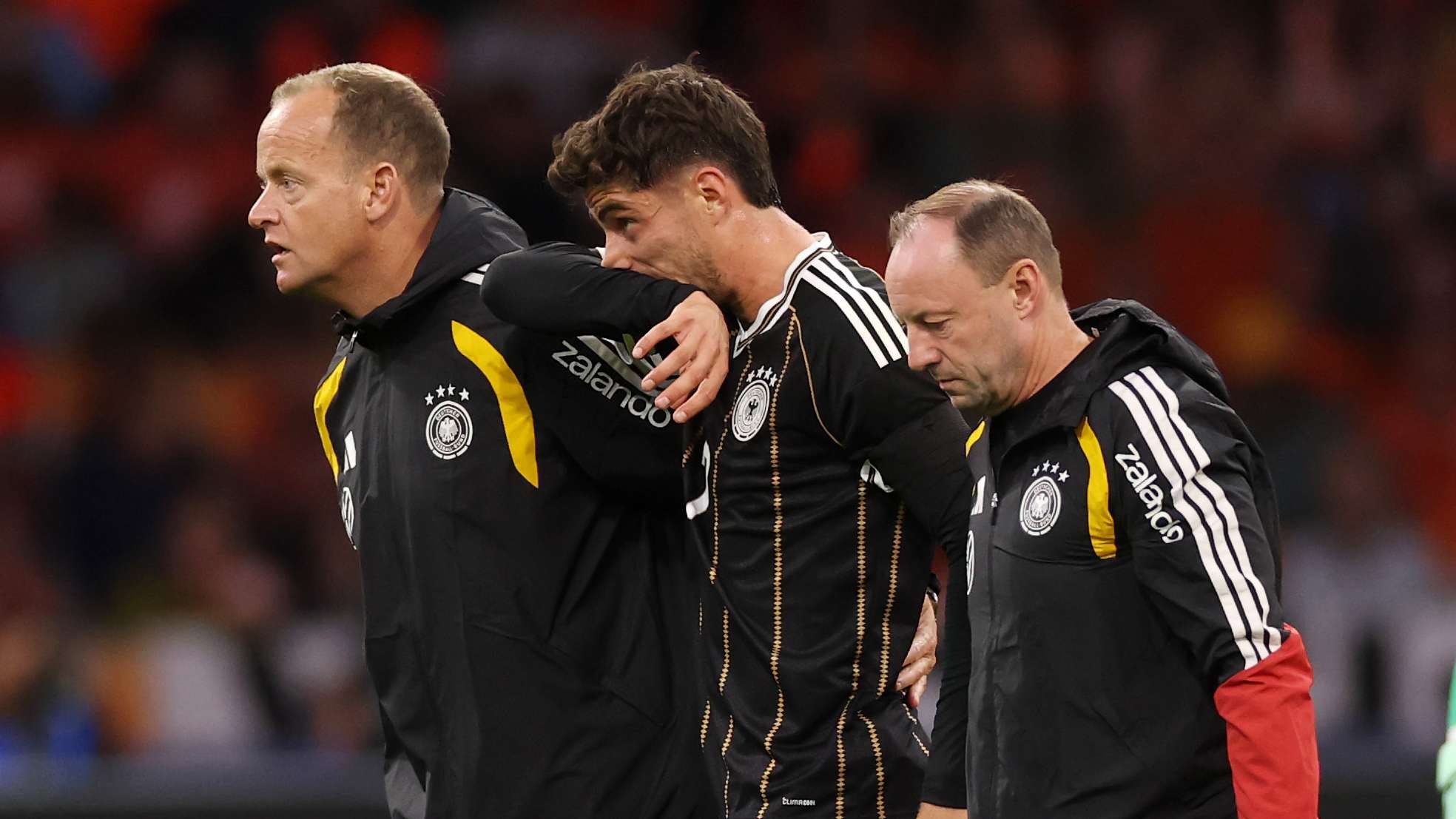
In a recent international fixture that captured the attention of football enthusiasts worldwide, Arsenal’s midfield maestro Kai Havertz experienced an unfortunate setback, suffering a suspected hamstring injury during Germany’s 1-1 draw against the Netherlands. This incident has sparked concern among fans, pundits, and betting communities alike, as it could influence upcoming club fixtures and alter football prediction models for the remainder of the season.
Details of the Incident: A Closer Look
During the intense clash between Germany and the Netherlands, Havertz, who has been a pivotal figure for Arsenal since his transfer, was forced to leave the pitch prematurely due to what appeared to be a hamstring strain. The injury occurred in the latter stages of the match, and initial assessments suggest that it could sideline the talented midfielder for several weeks. This development is particularly significant given Havertz’s role in Arsenal’s tactical setup and midfield stability.
Adding to the complexity of the situation, Germany’s star forward Jamal Musiala also withdrew from the squad prior to kickoff due to minor fitness issues, further complicating the team’s lineup and strategic approach. The dual setbacks highlight the physical toll of international football and raise questions about player fatigue and injury management across top-tier clubs and national teams alike.
Implications for Arsenal and the Premier League
For Arsenal, Havertz’s potential absence comes at a critical juncture in the season. The club has been accumulating momentum in both domestic and European competitions, and the midfield’s cohesion has been central to their tactical success. Losing a player of Havertz’s caliber could disrupt team chemistry and necessitate tactical adjustments.
In terms of football prediction and betting markets, this injury introduces an element of uncertainty. Analysts and tipsters who rely on player availability and team form will need to update their models to account for Havertz’s potential absence. This could impact forecasts for Arsenal’s upcoming fixtures, especially against strong opponents where midfield control and creativity are vital.
Medical Insights and Future Outlook
Hamstring injuries are among the most common muscle strains in football, often caused by rapid acceleration, sudden stops, or overstretching. They can range from mild strains requiring a few days of rest to severe tears necessitating weeks or even months of recovery. The initial prognosis for Havertz remains cautious, with medical teams likely to conduct further assessments, including imaging scans, to determine the severity.
Arsenal’s medical staff and coaching team will be closely monitoring Havertz’s recovery process. The club has demonstrated a proactive approach to player health, which will be crucial in managing this injury and planning future squad rotations. Meanwhile, fans and analysts are speculating on who might fill in for Havertz, with options ranging from academy graduates to seasoned midfielders on the roster.
Strategic Adjustments and Tactical Considerations
Should Havertz face an extended period on the sidelines, Arsenal’s manager Mikel Arteta will need to adapt his tactical approach. The club’s versatility and depth in midfield will be tested as they seek to maintain their competitive edge. Potential replacements could include players like Thomas Partey, Martin Ødegaard, or emerging talent Fabio Vieira, each bringing different strengths to the midfield.
From a football prediction standpoint, the absence of Havertz could influence Arsenal’s style of play, possibly leading to a more cautious or defensively solid approach depending on the replacement’s characteristics. Such shifts could impact match outcomes and betting odds, emphasizing the importance of timely injury updates in prediction models.
Broader Context: The Impact of International Breaks on Player Fitness
This injury incident underscores a recurring theme in professional football—the toll of international breaks on player fitness. While representing national teams is a source of pride and a chance for players to showcase their talents, it also increases the risk of injuries due to increased match load and travel fatigue.
Football clubs and national teams are increasingly aware of this dynamic, with some advocating for reduced international fixtures or more comprehensive player management protocols. The injury to Havertz is a reminder of the importance of prioritizing player health to ensure long-term performance and availability.
Expert Opinions and Fan Reactions
Football experts have weighed in on the potential impact of Havertz’s injury. Sports analysts suggest that Arsenal’s squad depth will be tested, and the club’s ability to adapt tactically could determine their success in upcoming fixtures. Fans have expressed concern on social media, with many highlighting the importance of Havertz’s creative influence and his role in Arsenal’s attacking phases.
Moreover, prediction models are being updated in real-time, factoring in the injury’s potential effects. Betting companies are adjusting odds for Arsenal’s matches, reflecting the increased uncertainty surrounding their performances without key players.
Conclusion: What This Means for the Future of Football Prediction
The injury sustained by Kai Havertz during international duty serves as a stark reminder of the unpredictable nature of football. For fans, clubs, and prediction enthusiasts, this development highlights the importance of staying informed about player fitness and match day squad selections. As Arsenal and other top clubs navigate the challenges of injuries and international commitments, football prediction models must evolve to incorporate these variables, ensuring more accurate forecasts.
In the broader landscape of football, injuries like Havertz’s influence not only team strategies but also the betting markets and fan engagement. As the season progresses, keeping an eye on injury updates, tactical adjustments, and form fluctuations will be vital for those making predictions and analyzing football outcomes.
Final Thoughts
While the full extent of Kai Havertz’s injury remains to be seen, the incident underscores the delicate balance professional footballers maintain between club commitments and international duty. Arsenal’s response, alongside the club’s medical and coaching staff, will be crucial in determining how quickly Havertz can return to action and how the team adapts in his absence. For football fans and prediction analysts, this scenario offers a fresh challenge—balancing data, intuition, and real-time updates to forecast the unfolding football drama accurately.