
Arsenal Edge Hull City 1-0 as Martin Ødegaard Breaks a Stubborn Defensive Wall
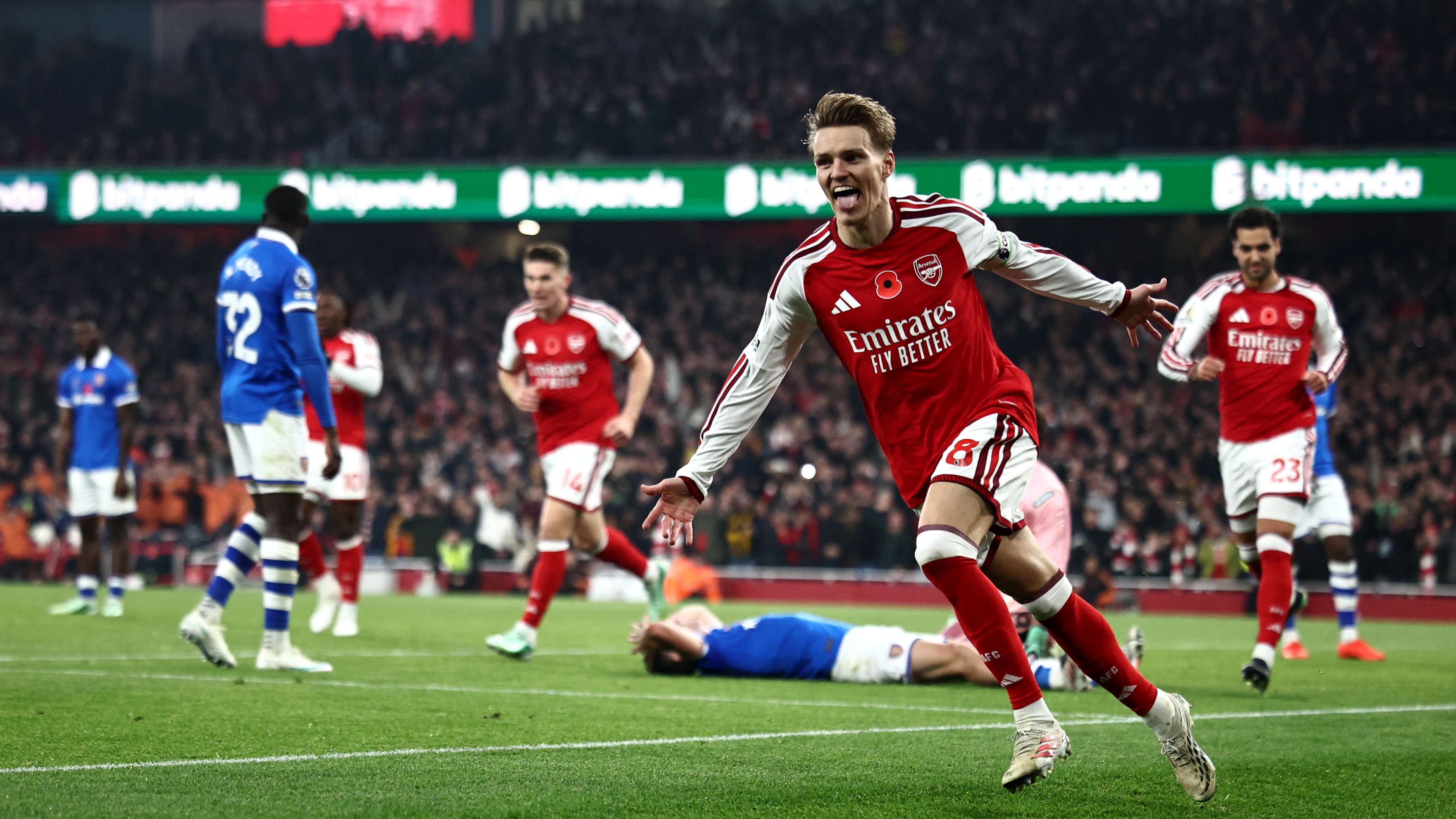
Arsenal strengthened their position at the top of the Premier League table with a hard-fought 1-0 win over Hull City at the Emirates Stadium. Captain Martin Ødegaard supplied the decisive moment in the 72nd minute, finding a way through a disciplined defence that had frustrated the hosts for much of the afternoon.
The result was built on patience as much as possession. Arsenal controlled 67 per cent of the ball and registered 21 shots, but Hull’s compact five-man back line left little room to create clear chances. The visitors defended deep, crowded the central areas and looked to break forward when opportunities arose. Arsenal had to keep probing until a second-half change in tempo finally produced the breakthrough.
Arsenal’s patience pays off against Hull’s low block
For long stretches, the match followed a familiar pattern: Arsenal circulated the ball across the pitch while Hull held their shape and guarded the space in front of goal. The Gunners tried to stretch the defence through the wide areas, but Hull often doubled up on the ball carrier and forced attacks away from dangerous positions.
A tense first half was made more frustrating by a VAR review involving Kai Havertz. Arsenal appealed for a penalty, but the decision was overturned after an offside was identified in the attacking move. The call left the home crowd waiting for a clearer opening, and the teams went into the interval level at 0-0.
Arsenal’s expected goals figure of 1.39 reflected a performance that produced pressure without consistently creating high-quality chances. Yet the hosts did not lose their defensive discipline while searching for a goal. Hull’s counter-attacks were limited, and Arsenal’s back line dealt effectively with the occasional forward ball and set-piece situation.
Ødegaard delivers the decisive moment
The breakthrough arrived in the 72nd minute, when Ødegaard found the space and composure required to beat Hull goalkeeper Konstantinos Tzolakis. The captain had been central to Arsenal’s attacking play throughout the match, repeatedly asking for the ball in tight areas and trying to find gaps between Hull’s midfield and defence. His goal rewarded that persistence.
Arsenal’s second-half substitutions helped alter the rhythm. Mikel Arteta introduced fresh energy and different attacking profiles, giving Hull more movement to track and making it harder for the visitors to protect every central channel. Eberechi Eze brought direct dribbling, while Viktor Gyökeres’ movement offered a new reference point up front. The changes did not immediately create a flood of chances, but they helped unsettle the defensive structure before Ødegaard struck.
For Arsenal, the narrow scoreline should not obscure the value of the result. Winning when the attack is not at its most fluid is an important trait in a title challenge. In a season where leading teams are often asked to break down deep defensive blocks, the ability to remain organised, make timely adjustments and take a single decisive opportunity can prove vital.
Arsenal player ratings
Goalkeeper and defence
David Raya – 6/10: Raya had a relatively quiet afternoon as Arsenal spent long periods in Hull territory. He made two saves and helped the hosts maintain their high defensive line through accurate distribution.
Riccardo Calafiori – 7/10: Calafiori contributed to Arsenal’s build-up by moving inside from the left and helping create a more advanced attacking shape. He competed well physically before being replaced in the 69th minute.
Ezri Konsa – 6/10: A steady presence in central defence, Konsa stayed disciplined and handled his individual defensive duties without allowing Hull to build momentum.
Gabriel – 7/10: Gabriel provided authority at the back and dealt confidently with Hull’s limited set-piece threats. His aerial strength also made him a potential danger during Arsenal’s seven corners.
Jurrien Timber – 7/10: Timber’s recovery pace and positioning helped shut down Hull’s attempts to counter. He played an important role in keeping Oliver McBurnie isolated for much of the match.
Midfield
Bruno Guimarães – 7/10: Guimarães helped Arsenal control the tempo, moving possession from side to side to test Hull’s compact shape. He was substituted late after an effective shift focused on ball retention and stopping transitions.
Declan Rice – 6/10: Rice protected the defence and helped Arsenal maintain control, although Hull’s crowded midfield made it difficult to find a decisive forward pass. He made way for Mikel Merino in the 63rd minute.
Martin Ødegaard – 8/10: Arsenal’s captain was the match-winner and the driving force behind many of the hosts’ best attacking sequences. His goal settled a contest in which patience and precision were essential.
Attack and substitutes
Noni Madueke – 6/10: Madueke tried to attack the outside of Hull’s defence but was frequently met by two defenders. He contributed to Arsenal’s shot count without consistently testing Tzolakis.
Christos Tzolis – 5/10: Tzolis found it difficult to locate space in a congested final third and was substituted in the 69th minute.
Kai Havertz – 6/10: Havertz worked hard as Arsenal’s forward focal point and was involved in the first-half VAR controversy. The lack of service limited his influence before he was replaced around the hour mark.
Mikel Merino – 7/10: Merino’s introduction added urgency to Arsenal’s pressing and helped the hosts win second balls, keeping Hull under sustained pressure.
Viktor Gyökeres – 6/10: Gyökeres offered a different physical presence after coming on for Havertz. His movement helped draw defenders away from key spaces.
Eberechi Eze – 7/10: Eze brought flair and unpredictability after entering in the 69th minute. His ability to carry the ball at defenders helped disrupt Hull’s defensive shape.
Piero Hincapié – 6/10: Hincapié replaced Calafiori late in the match, adding fresh legs while helping Arsenal protect their lead.
Martin Zubimendi – Not rated: Zubimendi came on in the 89th minute as Arsenal focused on closing out the result.
Mikel Arteta – 7/10: Arteta responded to Arsenal’s lack of progress with a series of second-half changes. The substitutions increased the team’s energy and variety, helping create the conditions for the winning goal.
What the result means for Arsenal
This 1-0 victory was not a free-flowing attacking display, but it offered a useful reminder of Arsenal’s resilience. Hull’s defensive plan made the game difficult, and the Gunners had to find a solution without leaving themselves exposed at the back. Their clean sheet and limited concessions on the counter were as important as Ødegaard’s finish.
Any football prediction about Arsenal’s title prospects must account for more than their most polished performances. The ability to win tight matches against organised opponents is often what separates contenders from challengers over a long Premier League campaign. Arsenal will want to improve their chance creation in future fixtures, but this result showed they can remain patient, adjust their approach and secure three points when the game refuses to open up.