
Arsenal’s Strategic Stance: Prioritizing Sustainable Growth Over Massive Emirates Stadium Expansion
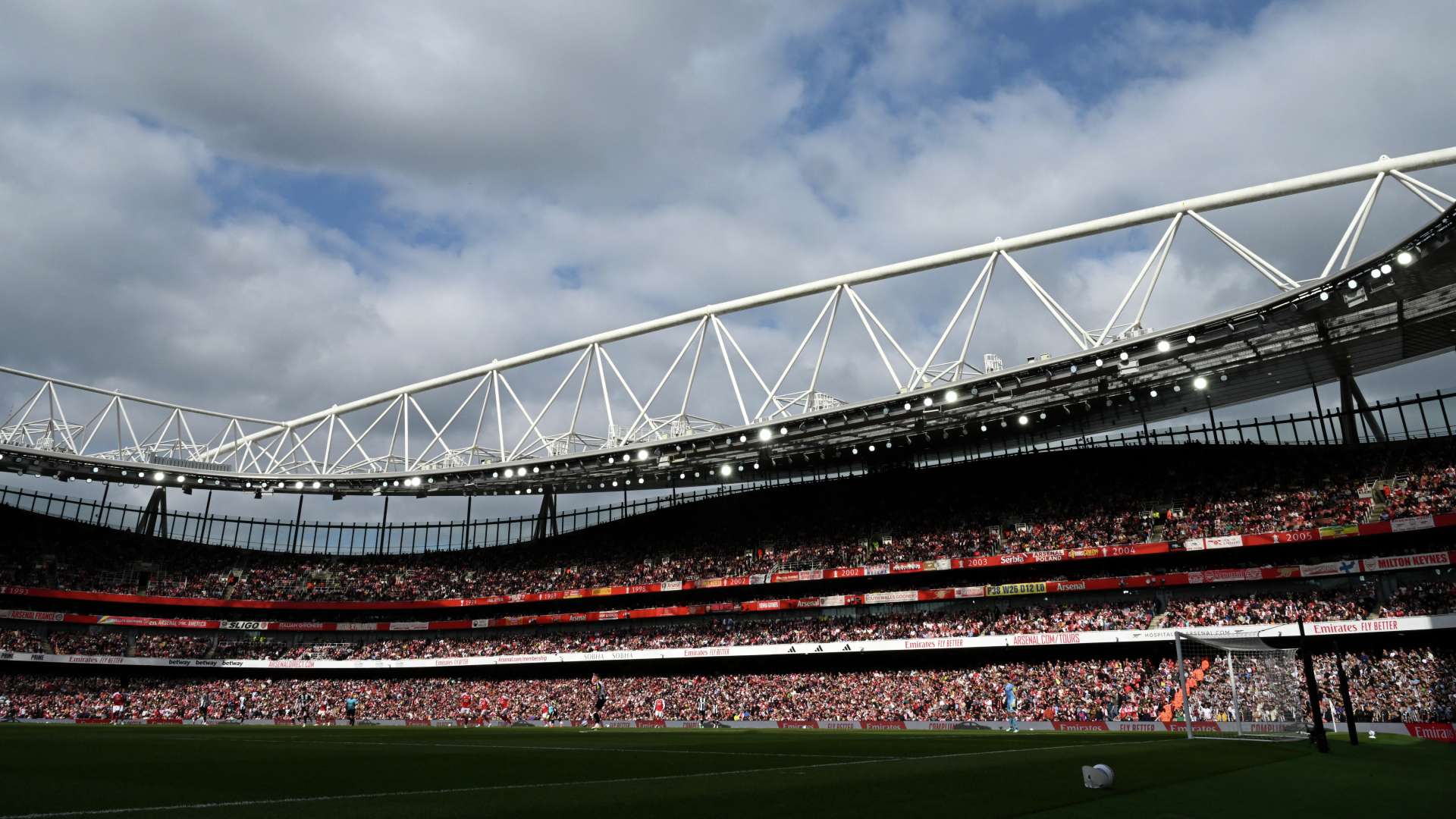
In the ever-competitive landscape of English football, clubs constantly seek ways to enhance their stature, attract more fans, and secure a dominant position both on and off the pitch. Arsenal Football Club, one of the Premier League’s most storied institutions, has recently made a significant strategic decision regarding its home ground, the Emirates Stadium. Rather than embarking on a comprehensive, large-scale expansion project, the Gunners have chosen a more measured approach focused on incremental improvements to the matchday experience. This decision reflects a nuanced understanding of modern football’s demands, balancing financial prudence, fan engagement, and long-term sustainability.
Background: The Emirates Stadium and Arsenal’s Growth Trajectory
Since its opening in 2006, the Emirates Stadium has been a symbol of Arsenal’s ambitions and growth. With a seating capacity of approximately 60,000, the stadium was designed to be scalable, allowing for potential future expansion to accommodate a larger fanbase. Over the years, Arsenal has maintained a reputation for strong attendance figures, often selling out their matches and boasting some of the most passionate supporters in the Premier League.
However, in recent seasons, rivals like Manchester United, Liverpool, and Tottenham Hotspur have undertaken significant stadium expansion projects, increasing their seating capacities and enhancing their matchday amenities. These moves have created a competitive landscape where size and modern facilities are seen as vital components of a club’s growth strategy. Consequently, many expected Arsenal to follow suit with a large-scale expansion of the Emirates Stadium to stay competitive in this aspect.
Strategic Decision: Focus on Incremental Improvements
Contrary to these expectations, Arsenal’s leadership has opted for a cautious, evolutionary approach. Instead of a massive overhaul that could involve billions of pounds and years of construction, the club is channeling resources into refining the existing infrastructure and enhancing the overall fan experience. This includes upgrading hospitality suites, improving concourse facilities, modernizing food and beverage options, and implementing innovative technologies to make matchdays more engaging and seamless.
Club officials believe that these incremental enhancements will deliver tangible benefits without the risks and costs associated with a large-scale expansion. By prioritizing quality over quantity, Arsenal aims to maintain its tradition of a passionate, loyal fanbase while ensuring sustainable growth that aligns with the club’s long-term vision.
The Rationale Behind a Conservative Approach
Several factors influence Arsenal’s decision to avoid a major stadium expansion. Firstly, financial considerations play a significant role. Large-scale construction projects can cost hundreds of millions of pounds, with uncertain returns if ticket sales or matchday revenues do not meet projections. Given the economic uncertainties and fluctuating football landscape, the club prefers a cautious approach that minimizes financial risk.
Secondly, the club’s ownership and management have expressed a desire to preserve the historic and authentic atmosphere that has defined Arsenal’s identity for over a century. A rapid expansion could dilute the intimate, passionate environment that makes Emirates Stadium unique, potentially impacting the overall fan experience and club culture.
Thirdly, the focus on incremental improvements aligns with the broader trend in football towards sustainable development. Clubs are increasingly aware of the importance of environmental considerations, community engagement, and maintaining financial stability, especially in a post-pandemic world where revenue streams are under scrutiny.
Implications for Arsenal’s Prediction in the Premier League
This strategic decision has broader implications for Arsenal’s prediction as a competitive force in the Premier League. While stadium size and matchday revenue are important factors, the club’s emphasis on improving the existing infrastructure and fan engagement can translate into better on-pitch performance. A more motivated and comfortable home environment can boost player morale and create a formidable fortress for visiting teams.
Furthermore, the decision to focus on sustainable growth demonstrates a modern understanding of football prediction models. Success in the Premier League isn’t solely determined by financial muscle but also by club stability, strategic vision, and fan support. Arsenal’s approach ensures they remain competitive without overextending financially, potentially giving them an edge over clubs that over-invest in infrastructure at the expense of team quality.
Looking Forward: The Future of Arsenal’s Stadium and Matchday Experience
While a massive expansion may be off the table for now, Arsenal’s focus on incremental development signals a forward-thinking mindset. The club has announced plans to continually upgrade its facilities, incorporating the latest technology such as high-speed Wi-Fi, immersive matchday experiences, and enhanced security measures.
Additionally, Arsenal is exploring ways to leverage digital innovation to increase fan engagement, from virtual reality tours to interactive mobile apps that enrich the matchday experience. These initiatives aim to attract new generations of supporters and retain the loyalty of existing fans, ensuring that Arsenal remains at the forefront of football prediction and fan engagement.
Community and Sustainability: Core Values Guiding Growth
Beyond the stadium itself, Arsenal’s strategic focus extends to community outreach and sustainability initiatives. The club is committed to reducing its carbon footprint, promoting local economic development, and fostering inclusive participation in football. This holistic approach to growth underscores a broader vision of building a sustainable and community-oriented football club that prioritizes long-term stability over short-term gains.
Conclusion: A Model for Modern Football Clubs
Arsenal’s decision to eschew a large-scale stadium expansion in favor of steady, incremental improvements exemplifies a modern, strategic approach to football growth. In an era where clubs are often tempted to chase rapid expansion or massive infrastructure projects, Arsenal’s focus on maintaining its identity, ensuring financial stability, and enhancing the fan experience offers a compelling blueprint for other clubs navigating similar challenges.
As the Premier League continues to evolve, Arsenal’s measured strategy could prove beneficial in the long run, supporting their prediction as a top contender in English football. By balancing tradition with innovation, the Gunners aim to remain a formidable presence in the league, both on the pitch and in the stands.