
Arsenal Edge Past Hull City as Martin Ødegaard Delivers Late Winner
Arsenal had to work patiently for their reward at the Emirates Stadium, with Martin Ødegaard’s late goal securing a narrow 1-0 Premier League victory over Hull City. The league leaders struggled to find their usual attacking rhythm against a disciplined visiting side, but the captain’s finish in the closing stages ensured they collected three important points.
The result keeps Arsenal in a strong position at the top of the table as the team heads into the international break. For Hull, the performance offered plenty of encouragement: their organisation and physical approach made life difficult for one of the division’s leading teams, even if they ultimately left London without a point.
Hull’s Defensive Plan Makes Arsenal Work
Mikel Arteta’s side had been warned that Hull would be difficult to break down, and the visitors quickly demonstrated why. They defended in compact lines, competed for second balls and limited the space Arsenal usually rely on to build attacks. The result was a cagey opening in which neither team created many clear-cut chances.
Arsenal enjoyed a slight territorial advantage, but possession did not translate into consistent danger. The hosts moved the ball forward without their customary sharpness in the final third, while Hull stayed disciplined and looked to disrupt the rhythm of the match. It was a contest shaped more by physical duels and careful positioning than by flowing football.
Kai Havertz found it particularly difficult to influence the game. The German forward was involved in an incident shortly before half-time when he was held in the penalty area and looked towards the referee for a possible decision. However, the relevant passage of play was ruled out because Havertz had been offside, meaning Arsenal were not awarded a penalty.
Ødegaard Breaks the Deadlock
The pattern continued after the interval. Arsenal pressed for a breakthrough, but Hull remained stubborn and kept the score level. As the minutes passed, the visitors’ defensive work increased the pressure on the home side, who needed a moment of quality—or a fortunate bounce—to turn their control into a goal.
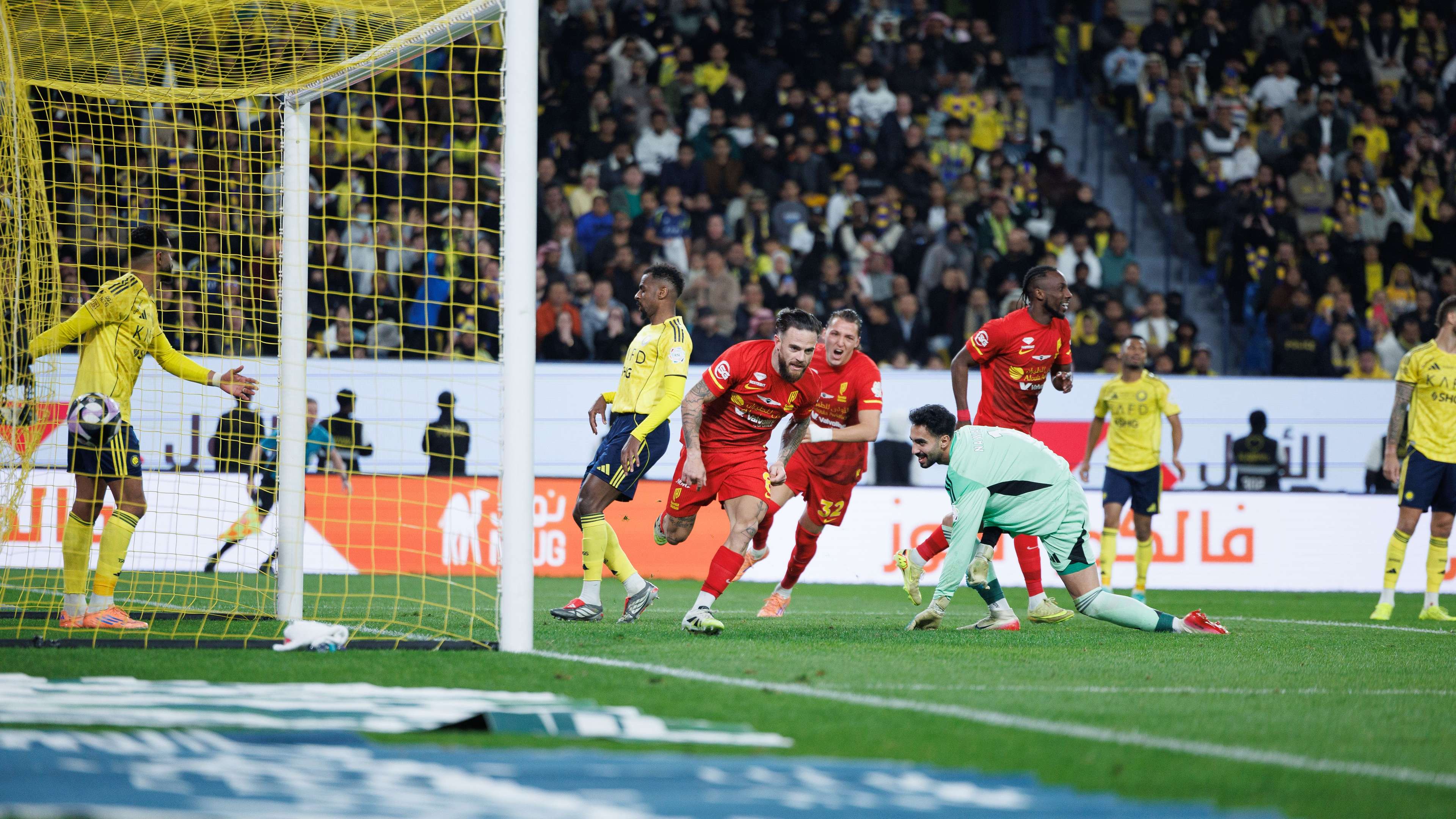
That moment arrived with around 15 minutes remaining. Noni Madueke tested Hull goalkeeper Konstantinos Tzolakis with a strong effort, and the keeper made an impressive save. Ødegaard reacted quickly to the rebound, sending the ball into the net to give Arsenal the lead.
The finish also involved a deflection off a Hull defender, adding an element of luck to the goal. Yet Arsenal’s captain still had to be alert and well positioned to capitalise. In a match where clear openings were scarce, the ability to respond instantly to a rebound proved decisive.
For Ødegaard, the goal was a timely contribution in a game that demanded persistence rather than spectacle. Arsenal had been unable to find a reliable route through Hull’s defensive structure, so the captain’s quick reaction supplied the breakthrough they needed.
Madueke Misses a Chance to Settle the Match
Hull refused to accept defeat and pushed forward in search of an equaliser. Their greater urgency created more space for Arsenal to attack on the counter, giving the hosts opportunities to finish the contest before the final whistle.
Madueke came closest to adding a second after Mikel Merino produced a clever backheel to set him up. The former PSV player had a promising chance but could not convert it. That miss left the scoreline at 1-0 and kept Hull’s hopes alive for a little longer.
Despite the late pressure, Arsenal avoided any serious trouble. The defence stayed composed, and Hull were unable to create the kind of clear opportunity that might have changed the outcome. Arsenal therefore saw out the match and added another three points to their Premier League campaign.
What the Result Means for Arsenal
This was not a performance built around attacking brilliance, but it may prove valuable for a different reason. Title challenges are often shaped by matches in which a leading team must remain patient against a well-organised opponent. Arsenal found a way to win despite lacking fluency, showing that they can collect points even when the game does not unfold on their terms.
The narrow scoreline also highlights an area Arteta may want to address: converting possession into clear chances. Hull’s compact defensive shape exposed Arsenal’s difficulty in creating space near the penalty area, while the hosts’ missed opportunities meant the contest remained uncertain until the final stages. Improving their movement and decision-making in tight areas could help Arsenal deal more efficiently with similar opponents.
For Hull, the defeat will be disappointing, but their approach nearly earned a result. They restricted Arsenal for much of the afternoon, competed strongly and stayed in the match until Ødegaard’s goal. Their challenge will be to pair that defensive resilience with more threat when they move forward.
Arsenal vs Hull City: Match Prediction and Takeaways
Before kick-off, a reasonable football prediction would have favoured Arsenal because of their home advantage and league position, while also recognising Hull’s potential to make the match close. That assessment proved broadly accurate: Arsenal controlled more of the game, but Hull’s resistance kept the outcome in doubt for most of the contest.
The match offered a reminder that football prediction is never simply about comparing league standings. Tactical discipline, the ability to manage physical pressure and reactions to key moments can all shape a result. Arsenal’s decisive advantage came from Ødegaard’s awareness after Madueke’s shot was saved, while Hull were unable to turn their late push into an equaliser.
Arsenal now head into the international break as league leaders and with their confidence intact. The performance may not have been their most convincing, but the result is the priority: a difficult opponent was overcome, the clean sheet was preserved, and another three points were secured at the Emirates.