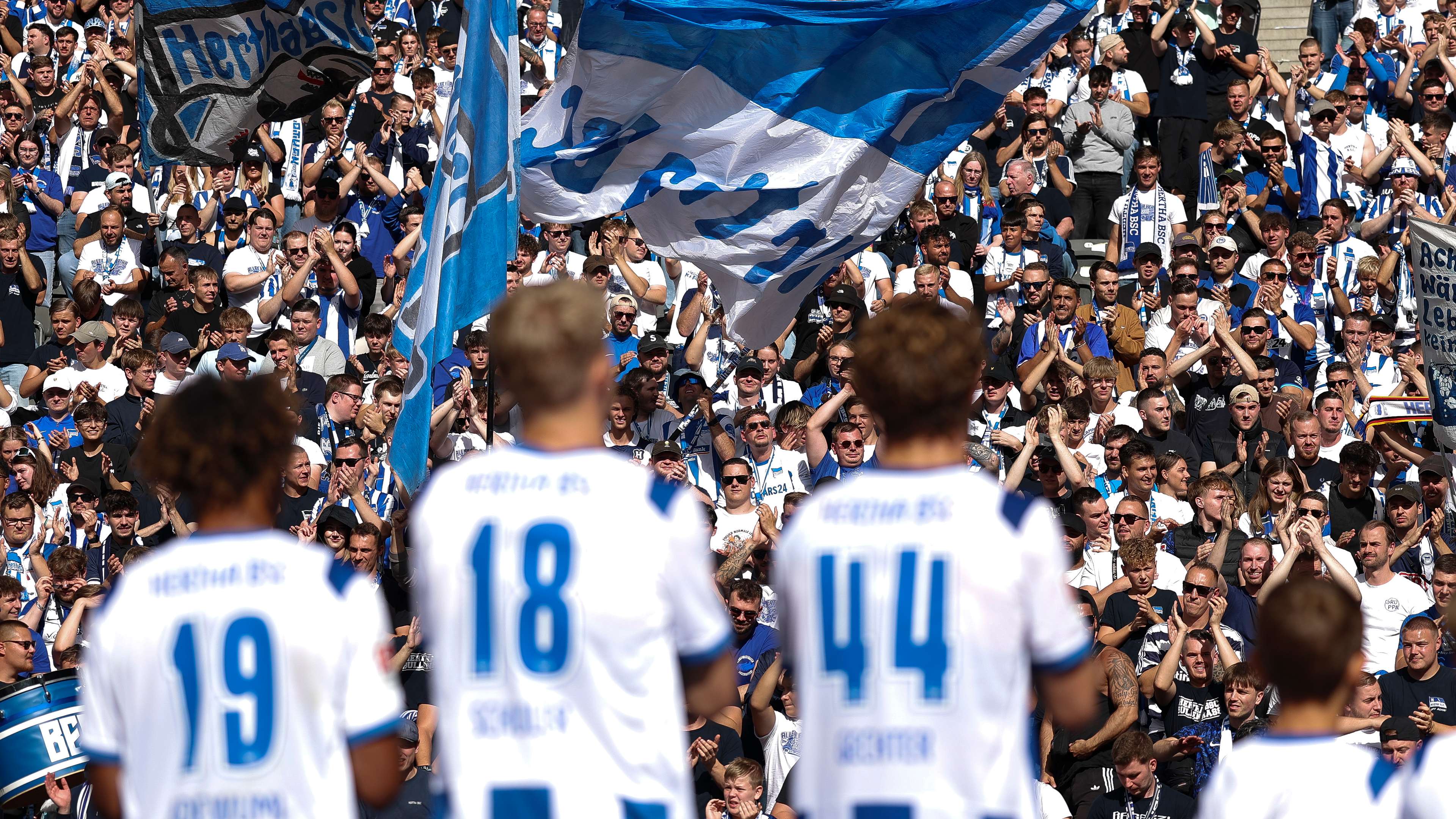

Hertha Berlin Moves to Ban Commercial Vlogs at Home Matches
Hertha BSC is tightening its rules on filming at home games, joining Dynamo Dresden in restricting commercial vlogs inside the stadium. The Berlin club says the change is intended to preserve the matchday atmosphere as a shared football experience and protect the rights attached to professional coverage of its fixtures.
In a statement issued on Friday, Hertha said supporters should be able to watch the team, take in the atmosphere and back the players without their visit becoming part of a commercial video production. The policy applies to filming intended for commercial use—not to ordinary fans taking personal photographs or recording short clips for private purposes.
What Hertha’s new enforcement means for supporters
Hertha says the relevant restrictions are already set out in its ticket and stadium regulations, as well as in rules governing media and exploitation rights for Bundesliga and 2. Bundesliga matches. The club acknowledged that it had not always enforced those provisions consistently in the past, but said that approach would now change.
That means security staff will be asked to challenge visitors who appear to be carrying professional filming equipment for commercial vlog production. Hertha says such equipment will not be permitted into the stadium when it is intended for that use. The announcement does not indicate a general ban on phones, personal cameras or casual recordings by supporters.
The distinction is important for fans. A quick photo of the stands or a short personal video is different from a planned production featuring extensive matchday footage, professional equipment or content created to generate revenue. Supporters who are unsure whether their equipment or filming plans fall within the rules should check the club’s current stadium regulations before attending.
Why clubs are focusing on commercial filming
Football clubs operate within a complex media environment. Broadcasters and other rights holders pay for the ability to show match action, while clubs also manage their own commercial and media rights. Unauthorised footage can raise questions about how those agreements are protected, particularly when it is filmed systematically and published as part of a monetised channel or production.
There is also a practical matchday concern. Professional filming can involve larger cameras, microphones, stabilisers and other equipment that may obstruct views or affect movement in crowded areas. By drawing a line between personal memories and commercial production, Hertha is seeking to protect the atmosphere in the ground while clarifying what visitors can bring inside.
The policy reflects a wider debate across football: how to balance the modern fan’s desire to share experiences online with the contractual rights and operational needs of clubs and broadcasters. Vlogs can help supporters connect with a team and introduce a stadium to new audiences, but clubs are increasingly setting limits when filming goes beyond informal personal use.
Dynamo Dresden set an earlier example
Hertha is not the first club in the division to take this step. In August, Dynamo Dresden announced a similar position in a joint statement with ultras and fan representatives under the slogan “Vlogging? Not at Dynamo.” The club said filming match scenes and stadium visits for commercial exploitation was already prohibited by its stadium rules.
Dynamo explained that the restriction was designed in particular to protect the media and exploitation rights of its television partners, as well as the club’s own rights. Like Hertha, it stressed that private photographs and short video clips were not included in the ban.
The two announcements point to a growing effort by clubs to make existing rules more visible and apply them more consistently. Rather than introducing a blanket ban on all fan-created content, both clubs have focused on the commercial purpose of filming and the use of recognisably professional production equipment.
What fans should know before attending
For supporters planning to visit Hertha’s home ground, the simplest approach is to keep personal recording clearly personal and avoid bringing professional equipment without permission. Fans producing sponsored, monetised or otherwise commercial content should review the club’s rules and contact Hertha in advance if they need clarification.
Security staff will be responsible for applying the policy at the stadium, so enforcement may depend on the equipment being used and the apparent purpose of the recording. The club’s statement specifically refers to visitors who appear to be undertaking professional production work, rather than ordinary spectators capturing a moment for friends or family.
Hertha’s announcement also arrives during a busy period for the 2. Bundesliga, when attention naturally turns to upcoming fixtures, team form and football prediction discussions. Those conversations are part of the supporter experience, but the club’s message is that the stands should remain focused on the match itself—not become a set for commercial content.
A clearer boundary between fandom and production
The new approach is ultimately about defining where everyday fandom ends and organised commercial filming begins. Supporters will still be able to preserve memories of a matchday, but Hertha intends to prevent professional-style productions from operating in the stadium without authorisation.
As more fans publish football content online, similar rules could become increasingly common across the professional game. For now, Hertha’s position is clear: personal photos and short private videos remain permitted, while commercial vlogging and the professional equipment used to produce it will face stricter scrutiny at home matches.