
Asian Games 2026: Unprecedented Shocks in Badminton and Table Tennis Shatter China’s Dominance
The Asian Games 2026, hosted across the vibrant cities of Aichi and Nagoya, delivered more than just athletic excellence; it provided a dramatic showcase of unexpected victories that have sent ripples through the world of Asian sports. Historically, China has been the undisputed powerhouse in both badminton and table tennis, dominating medal tallies and finals for decades. However, in a stunning turn of events, the traditional supremacy was challenged and, in some cases, decisively broken at this edition, marking a new chapter in Asian sports history.
The Long-Standing Chinese Dynasty in Table Tennis Comes to an End
Few sporting rivalries are as storied as China’s dominance in table tennis. Since the inception of the Asian Games, China had secured an incredible 11 gold medals in the men’s team event alone—an unbroken streak dating back to 1994. Their relentless pursuit of excellence seemed invincible, with a roster packed with world-class players and a well-oiled competitive machine. Yet, this year’s men’s team final in table tennis turned into a historic upset, demonstrating that even the most dominant teams are not immune to surprises.
The Electrifying Men’s Team Final in Table Tennis
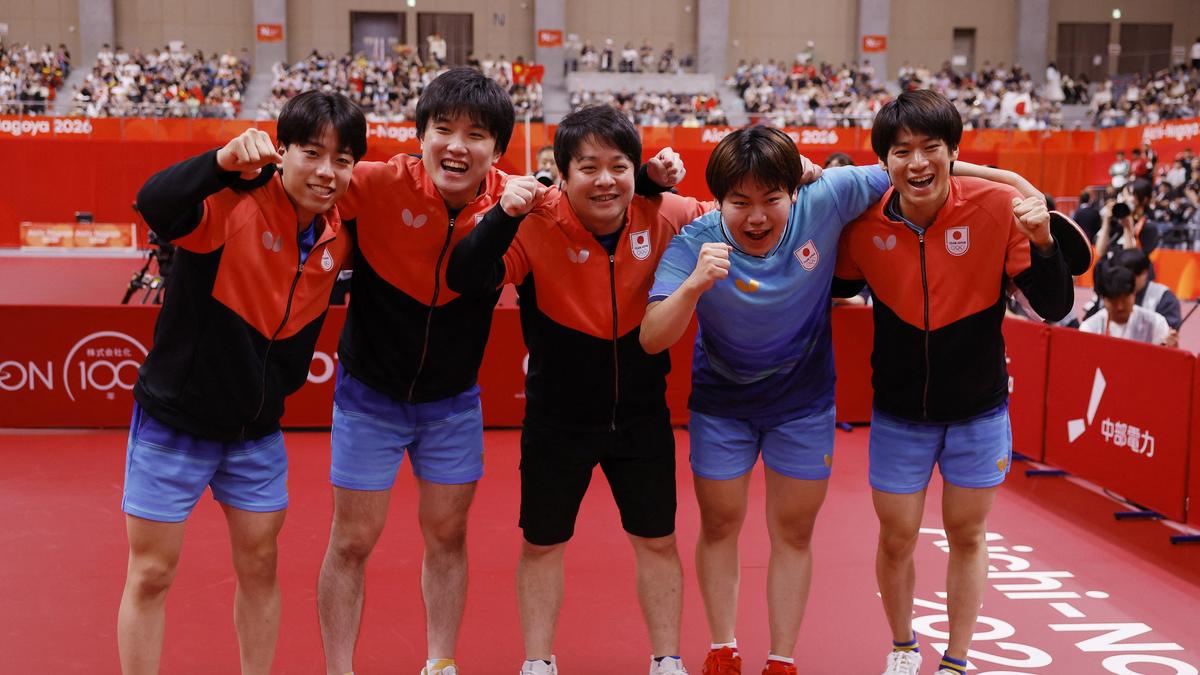
The final unfolded as a fiercely contested battle between the Chinese squad and the host nation, Japan. The Japanese team, buoyed by a passionate crowd and a surge of confidence, played with extraordinary resilience, ultimately ending China’s 32-year winning streak in men’s team table tennis. The match consisted of five singles rubbers, each showcasing exceptional skill and mental toughness from both sides.
China opened strongly with World No. 1 Wang Chuqin, who staged an incredible comeback against Japan’s top player, World No. 3 Sora Matsushima, winning 3-2 in a closely fought match (5-11, 8-11, 11-9, 11-9, 11-9). The Chinese team’s momentum was briefly halted when Japanese No. 2 Tomokazu Harimoto defeated Wen Ruibo in a commanding 3-1 victory (11-7, 8-11, 11-4, 11-9), leveling the tie and reigniting Japanese hopes.
However, China’s Lin Shidong regained the lead for China by overpowering Shunsuke Togami in four games (11-9, 4-11, 11-7, 11-6). Expectations were high that Wang Chuqin would close the match and secure another gold for China, especially as he was facing Harimoto, against whom he had a commanding 14-3 head-to-head record. Yet, Harimoto defied all odds, delivering one of the finest performances of his career by blanking Wang Chuqin 3-0 (11-7, 11-4, 11-9), keeping Japan’s dream alive.
A Dramatic Conclusion: The Rise of Japan’s New Generation
The decisive moment came in the final rubber, featuring two 19-year-olds—Sora Matsushima and Wen Ruibo—viewed as the sport’s future stars. Matsushima took an early lead, winning the first game 11-7, but Ruibo responded with an 11-8 victory in the second. Matsushima then regained composure, clinching the third game 11-6. The fourth game was a tense affair; Matsushima led 9-4 and was on the brink of victory, but a lapse in concentration allowed Ruibo to claw back, setting the stage for a nail-biting finale.
On match point, Matsushima had an opportunity to clinch gold but narrowly missed, with his backhand return clipping the net and going out. The crowd held its breath as Ruibo faced match point, eventually sealing Japan’s historic victory when Ruibo’s opponent, Wen Ruibo, committed a crucial unforced error, netting a forehand. This victory marked Japan’s first men’s team gold medal in badminton at the Asian Games in over six decades—a moment of national pride and a testament to the rise of Japan’s young talent.
Badminton: The Chinese Men’s Team Faces Unexpected Defeat
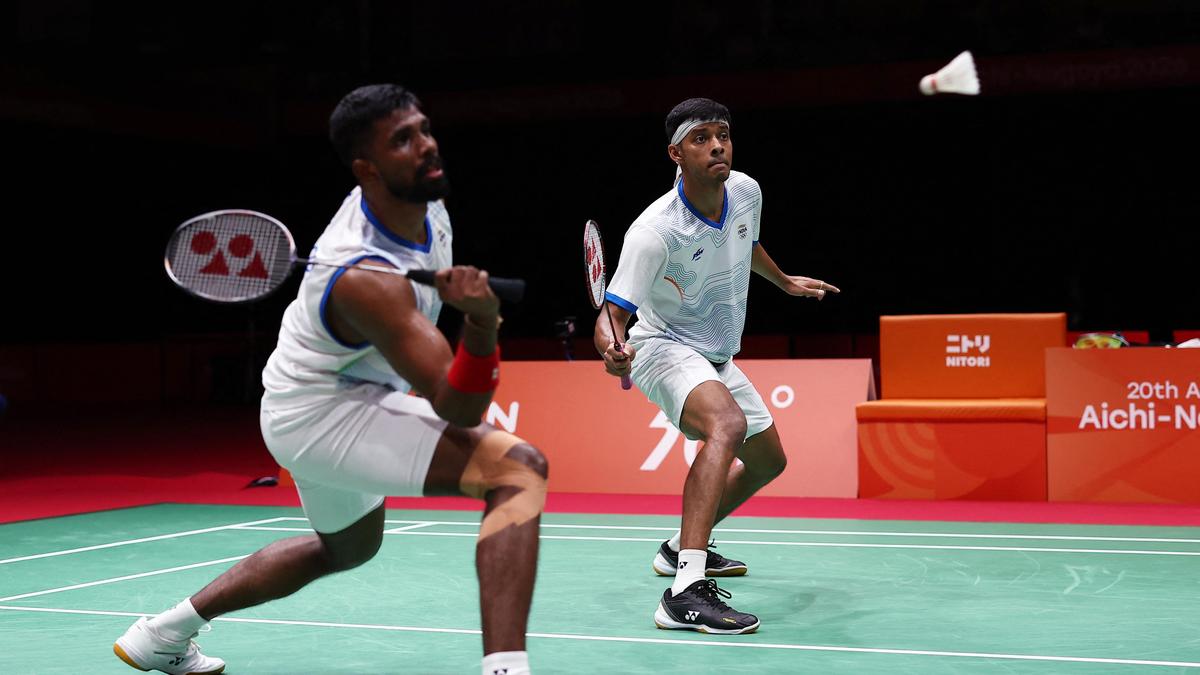
Meanwhile, in the badminton arena, Chinese men’s team players sought to defend their gold medal from the 2023 Asian Games. The Chinese squad, renowned for their relentless dominance in badminton—particularly in men’s team events—found their streak challenged by a resilient Indonesian side. The match was a rollercoaster, reflecting the shifting landscape of badminton powerhouses in Asia.
China’s Shi Yu Qi opened the proceedings with a commanding 21-13, 21-18 victory over Indonesia’s Jonatan Christie, setting the tone for Chinese strength. Liang Wei Keng and Wang Chang then secured a crucial doubles win, overcoming Fajar Alfian and Muh. Shohibul Fikri in a tightly contested three-game match (22-20, 19-21, 21-14). However, the Indonesian resurgence was sparked by Alwi Farhan, the reigning Junior World Champion, who produced a stunning performance to beat China’s Li Shifeng 23-21, 15-21, 21-16, igniting hope for the Indonesian team.
The Turning Point: Indonesia’s Historic Victory in Men’s Team Badminton
The momentum swung further when R. Leo Carnando and Daniel Marthin leveled the tie by defeating Indonesia’s formidable doubles pair He Ji Ting and Liu Yi in a tense 23-21 thriller. The stage was now set for a decisive match between two rising stars: Indonesia’s Mohd. Zaki Ubaidillah, the 2025 Junior World Championships silver medalist, and China’s Weng Hongyang.
In the previous Asian Games, China had staged a dramatic comeback from 0-2 down to beat India in the final, with Weng Hongyang playing a pivotal role. This time, however, the Chinese shuttler was unable to replicate that heroics. Ubaidillah, demonstrating maturity beyond his years, saved multiple game points in the first game before eventually winning 23-21. In the second, he built an early lead and closed out the match with a powerful crosscourt smash, sealing Indonesia’s first men’s team badminton gold medal since 1998—the last time Taufik Hidayat helped Indonesia secure the title.
The Significance of These Shocking Victories
These unexpected outcomes in both badminton and table tennis are not just isolated moments of glory for Japan and Indonesia—they signify a broader shift in Asian sports dynamics. China’s long-standing dominance, built on decades of rigorous training and a deep talent pool, is now facing stiff competition from emerging nations whose younger athletes are now capable of beating the traditional giants.
As Tomokazu Harimoto and Sora Matsushima highlighted in post-match interviews, confidence and mental resilience have become the new keys to victory. Harimoto, whose sister Miwa plays for Japan’s women’s team, emphasized that Japan’s recent wins are a testament to their evolving training programs and increased belief in their athletes’ abilities. “We just managed to attain the confidence we needed,” Harimoto stated, acknowledging that the tide is turning in Asian table tennis.
Future Outlook: A New Era in Asian Badminton and Table Tennis
The results from Asian Games 2026 suggest a promising future where the landscape of badminton and table tennis in Asia is becoming more competitive than ever before. Countries like Japan and Indonesia are investing heavily in youth development, and their young athletes are now making their mark on the international stage.
This shift challenges the traditional dominance of China and highlights the importance of innovation, confidence, and mental toughness in sports. For badminton enthusiasts worldwide, these matches have provided a captivating glimpse into the sport’s evolving competitive dynamics, promising even more thrilling encounters in the years to come.
Conclusion
The Asian Games 2026 will be remembered for its remarkable upsets and the emergence of new champions in badminton and table tennis. Japan’s historic men’s table tennis victory and Indonesia’s first men’s team badminton gold since 1998 underscore a significant transformation in Asian sports. These results underscore the importance of nurturing young talent, fostering confidence, and embracing the unpredictability that makes sports so captivating. As the Asian sporting community looks forward, one thing is clear: the era of Chinese dominance in badminton and table tennis is evolving, making way for a more competitive and exciting future.