
India Assures Multiple Medals in Badminton at Asian Para Games
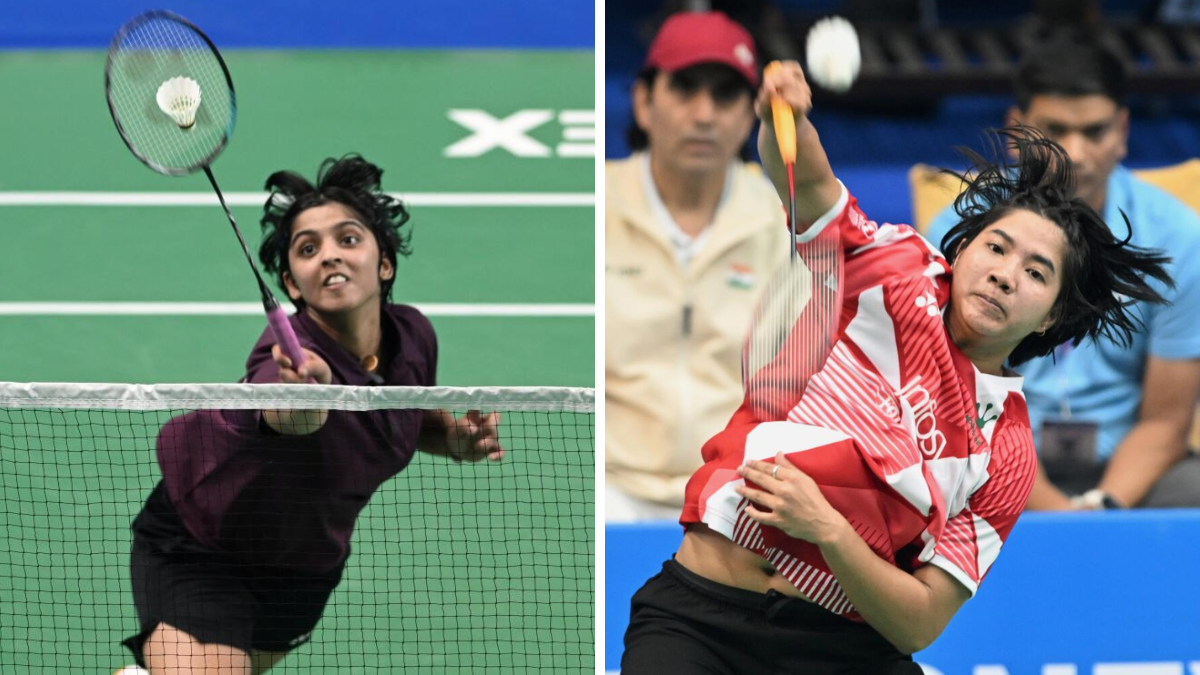
India’s badminton team continued its impressive run at the Asian Para Games on Tuesday, securing several guaranteed medals after a series of strong performances across singles and doubles events. World champion Pramod Bhagat and Paralympic gold-medallist Kumar Nitesh both reached the men’s singles SL3 semifinals, while Indian players also advanced in mixed doubles and other classifications.
The results underline the depth of India’s para badminton programme, with experienced champions and emerging contenders making their mark on the tournament. Reaching the semifinals guarantees a medal under the competition format, giving the Indian contingent a growing collection of podium opportunities as the Games progress.
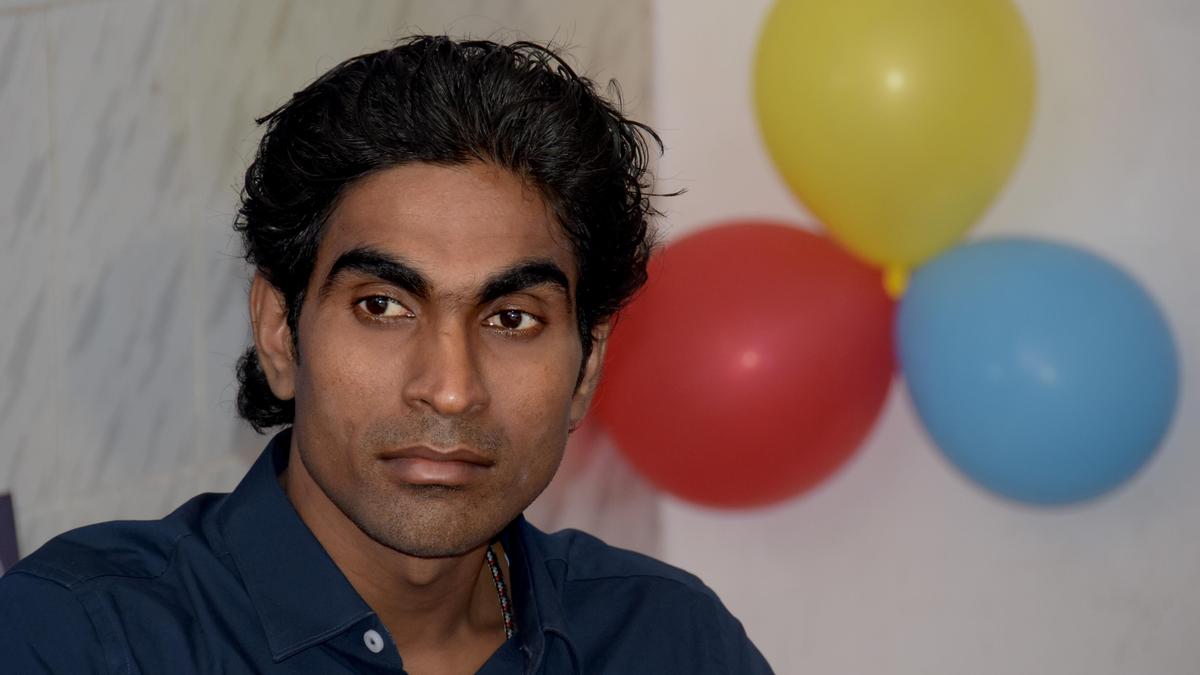
Bhagat and Nitesh Set Up Potential All-Indian Final
Bhagat booked his place in the SL3 semifinals with a commanding 21-12, 21-10 quarterfinal victory over Japan’s Daisuke Fujihara at the Ichinomiya City Municipal Gymnasium. The world champion controlled the match from the outset, limiting Fujihara’s chances to build momentum and closing out both games with authority.
The win also extended Bhagat’s remarkable record at the Para Asian Games. He is now assured of appearing on the podium at his fifth consecutive edition of the event, a milestone that reflects his consistency and longevity at the highest level of para badminton. Bhagat will next face Korea’s Lee Seunghu in Thursday’s semifinal.
Nitesh also progressed with a decisive performance, defeating fellow Indian Vikram Kumar 21-8, 21-8. He will meet Indonesia’s Al Muh Imran in the last four. Should Bhagat and Nitesh both win their semifinal matches, they will contest an all-Indian final in the men’s singles SL3 event.
SL3 is designed for players with lower-limb impairments that can affect balance and movement while walking or running. The classification allows athletes with comparable functional challenges to compete against one another, while still demanding sharp court awareness, precise placement and efficient movement.
Mixed Doubles and SH6 Campaigns Add to India’s Medal Hopes
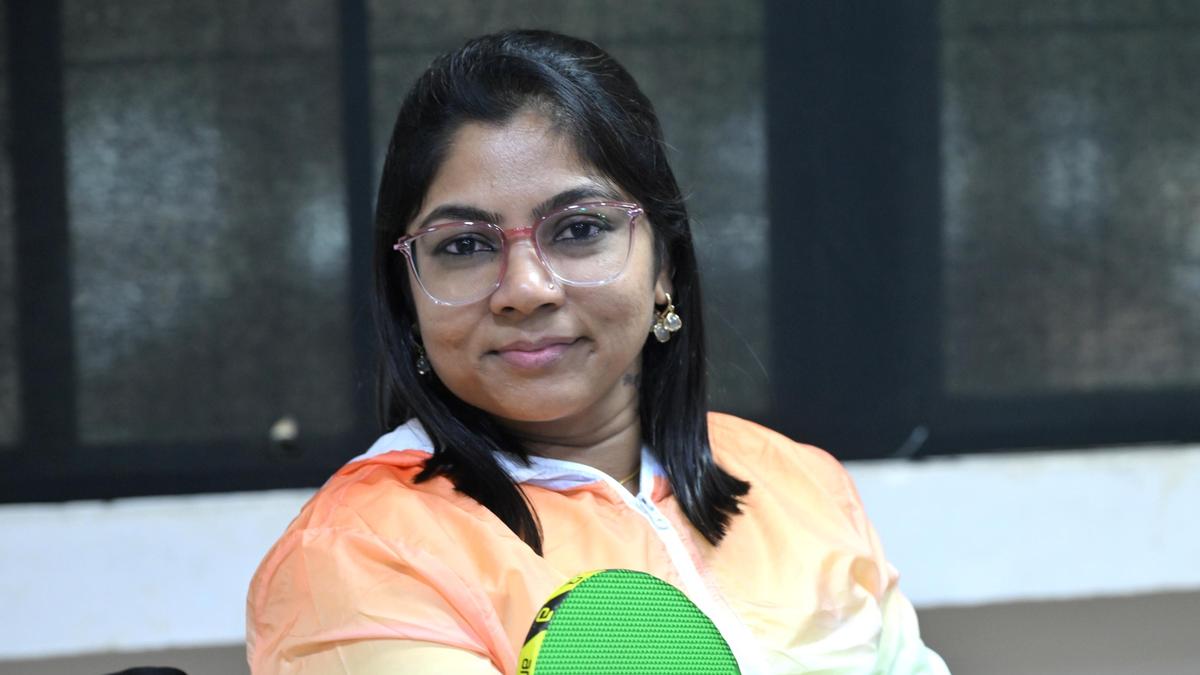
Bhagat’s success extended beyond singles. Partnering Manisha Ramdass, he advanced to the mixed doubles SL3-SU5 semifinals after the Indian pair defeated Thailand’s Siripong Teamarrom and Chanida Srinavakul 21-15, 21-14 in their quarterfinal. Their composed performance put them within one win of the final and added another medal opportunity for India.
Nitesh and Thulasimathi Murugesan are also assured of a medal in mixed doubles SL3-SU5 after receiving a bye into the semifinals. The event brings together players from the SL3 and SU5 classifications, creating pairings that require strong coordination and complementary styles. In mixed doubles, communication and tactical positioning can be just as important as power, particularly when partners have different movement profiles.
India also advanced in the SH6 mixed doubles competition. Krishna Nagar and Nithya Sre Sumathy Sivan defeated Chinese Taipei’s Wu Yu-yen and Lin Jia-siang 21-15, 21-10. The Indian duo finished second in Group A to qualify for the semifinals, where another high-stakes match awaits.
SH6 badminton is for athletes with short stature, which may be associated with conditions such as achondroplasia or other genetic variations. Players in the classification often rely on rapid reactions, precise shot selection and smart court positioning to control rallies.
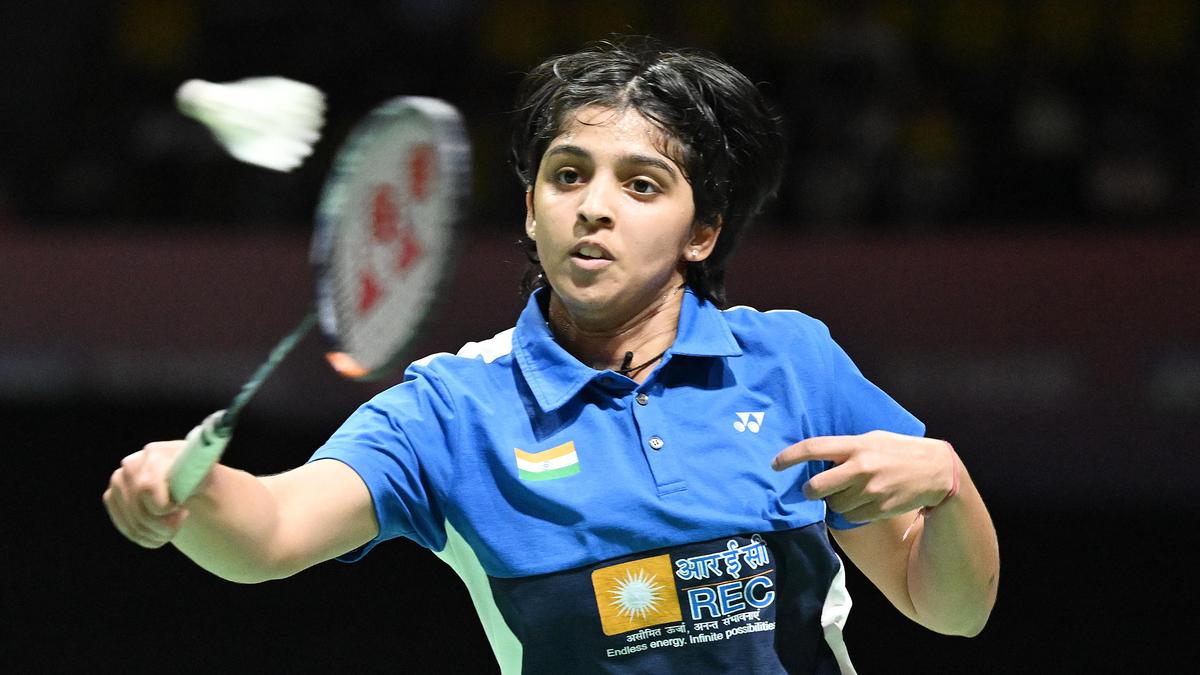
Sanjana Kumari Reaches Women’s Singles SL3 Semifinals
Sanjana Kumari added to India’s progress by reaching the women’s singles SL3 semifinals. She overcame China’s Liu Yuemei 21-19, 21-12, recovering from a closely contested opening game before establishing a clearer advantage in the second.
The victory gives India another strong chance of a podium finish in the event. It also highlights the competitive standard of the women’s SL3 draw, where a narrow first-game margin can shape the direction of a match. Kumari’s ability to hold her nerve in the closing stages of the opener proved important in securing her place in the last four.
Nagar Exits, While India Advances in SL4 and SU5
There was disappointment for former Paralympic gold-medallist Krishna Nagar in the men’s singles SH6 event. Thailand’s Meechai Natthapong defeated the Indian 21-15, 19-21, 21-17 in a three-game contest. Nagar fought back to take the second game, but Meechai regained control in the decider to claim the match.
India’s men’s singles SL4 campaign, however, remained firmly on track. Abhijeet Sakhuja defeated China’s Chen Pengfei 21-8, 21-12 to reach the quarterfinals, where he is set to face compatriot Surya Kant Yadav. Yadav received a bye into the last eight, setting up an all-Indian contest with a semifinal place at stake.
Defending champion Suhas L.Y. also moved forward after a dominant 21-5, 21-7 win over Thailand’s Teamarrom Siripong. The two-time Paralympic silver-medallist will now face Korea’s Cho Nadan. His experience and previous success at the event make him one of India’s key contenders in the SL4 draw.
In the men’s singles SU5 round of 16, Hardik Makkar defeated Indonesia’s Nugroho Suryo 21-18, 21-12. The win kept Makkar’s campaign alive and added to a day in which Indian players produced results across several para badminton classifications.
A Strong Day for Indian Para Badminton
India’s progress in Ichinomiya reflects both the strength of its established stars and the growing competitiveness of its wider squad. Bhagat’s bid for another major title, Nitesh’s pursuit of a singles final and the advances in mixed doubles have combined to make badminton one of the country’s most promising medal sports at the Asian Para Games.
With several semifinals still to come, the Indian team will look to convert its guaranteed medals into gold and silver finishes. The upcoming matches will test not only the players’ technical ability but also their stamina, tactical adaptability and composure under pressure—qualities that have already been central to India’s strong showing.